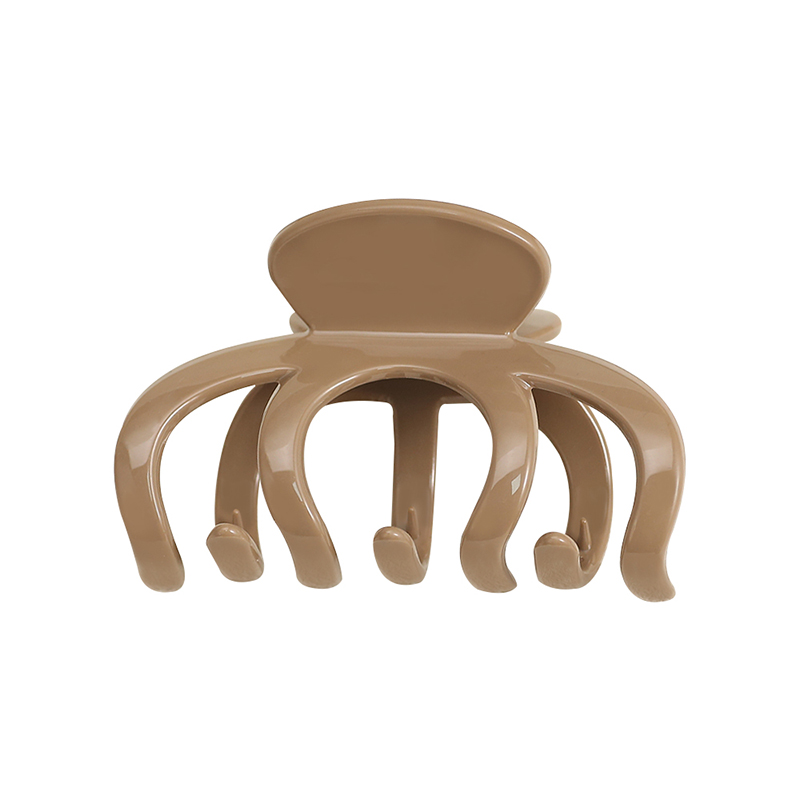
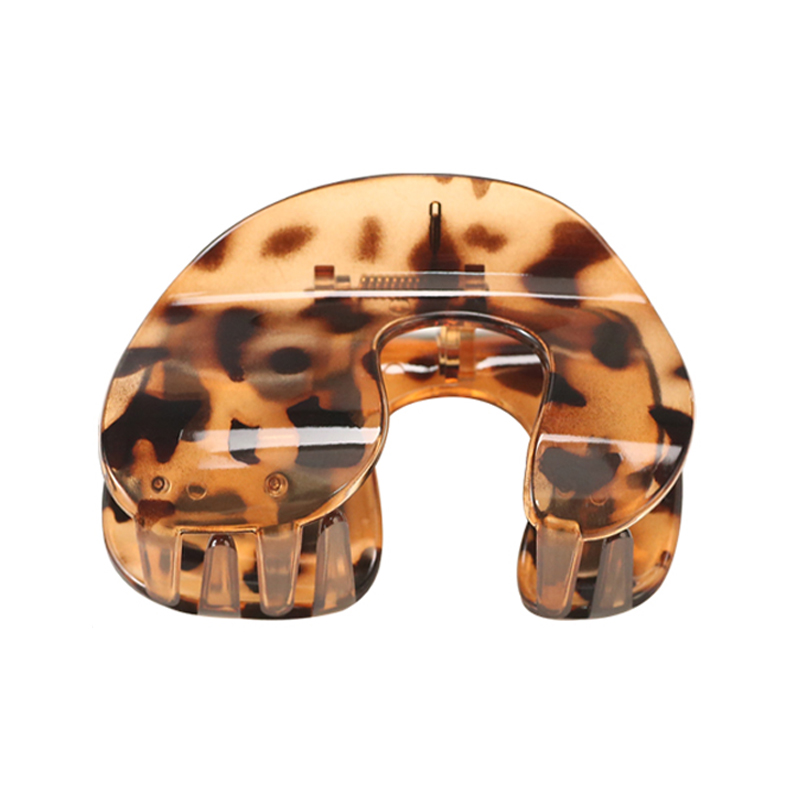
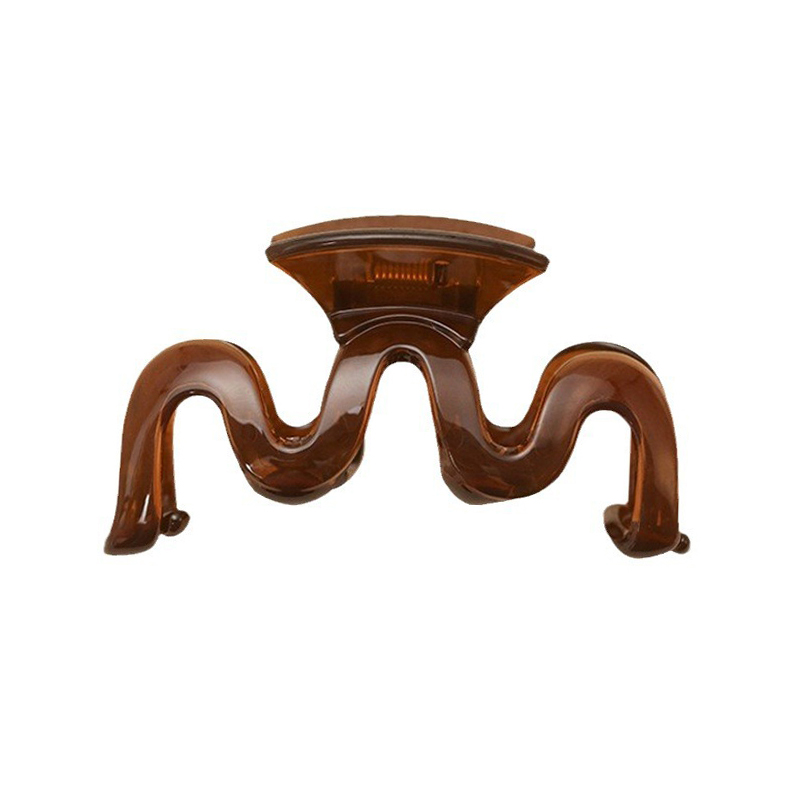
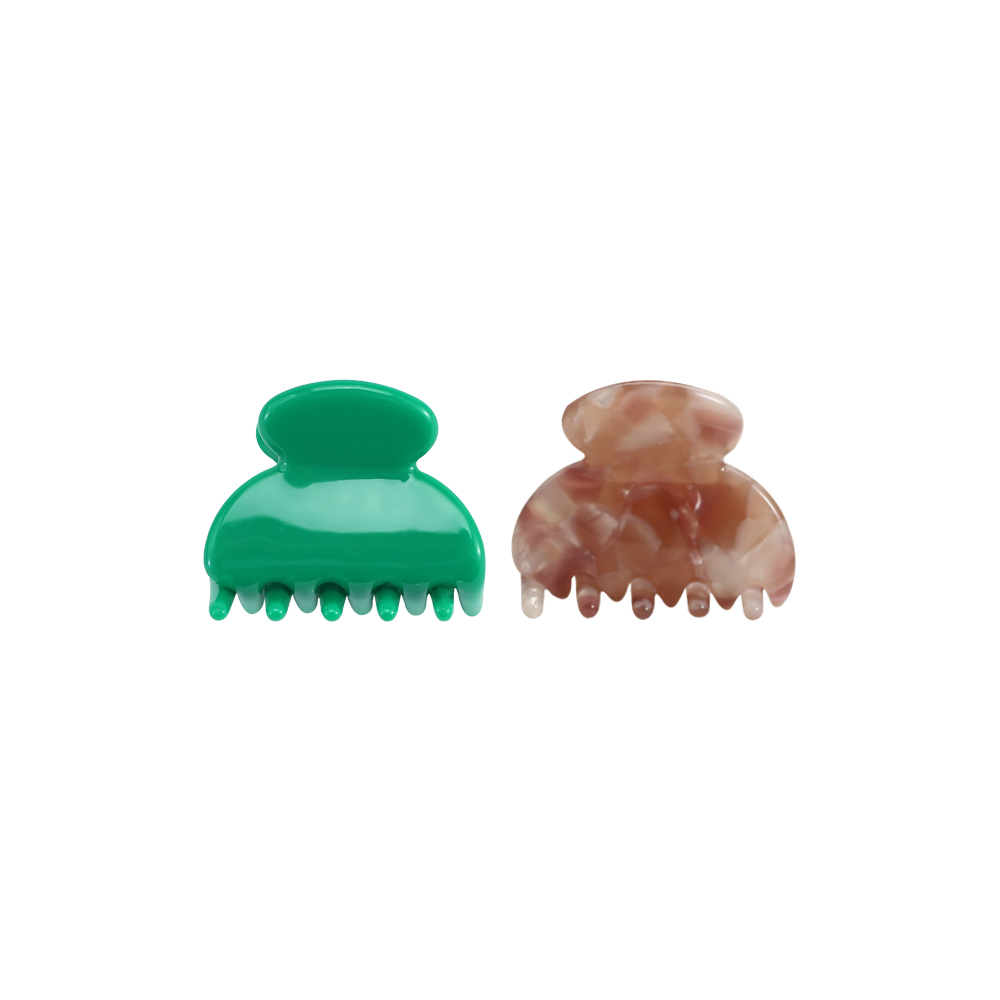
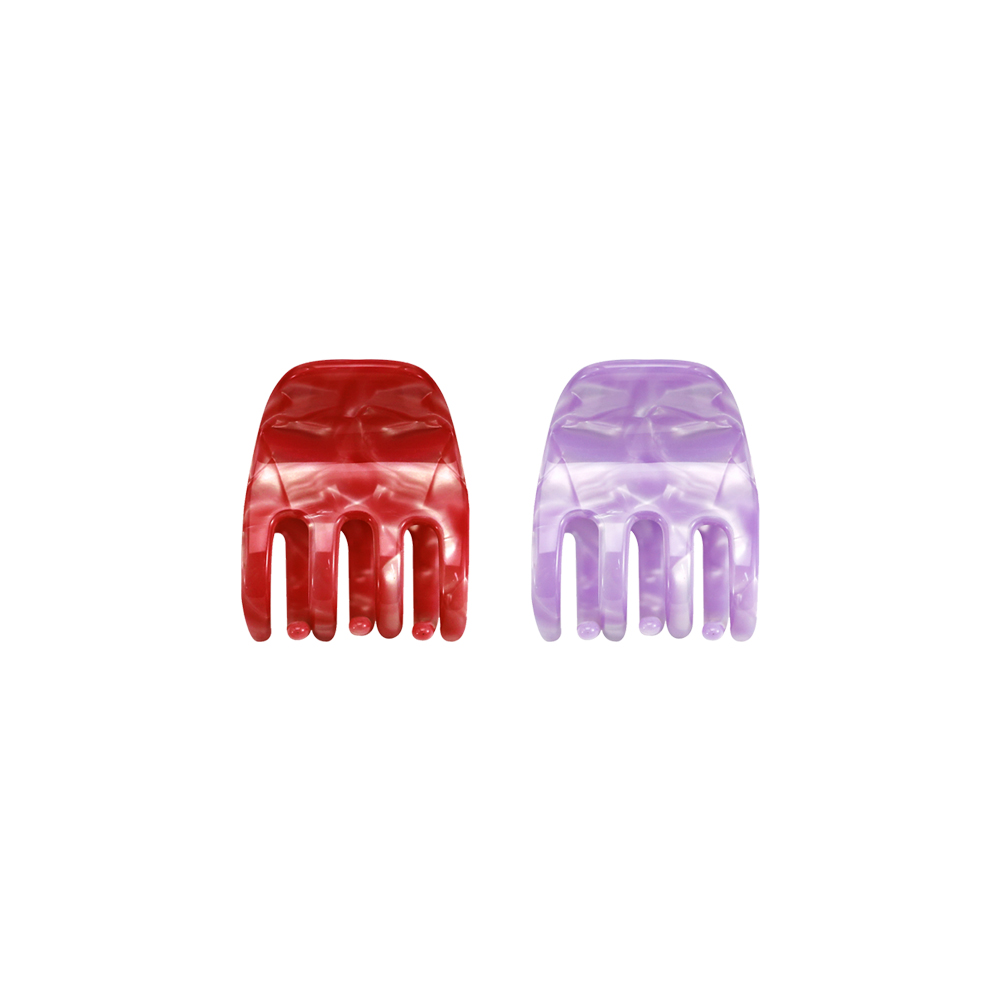
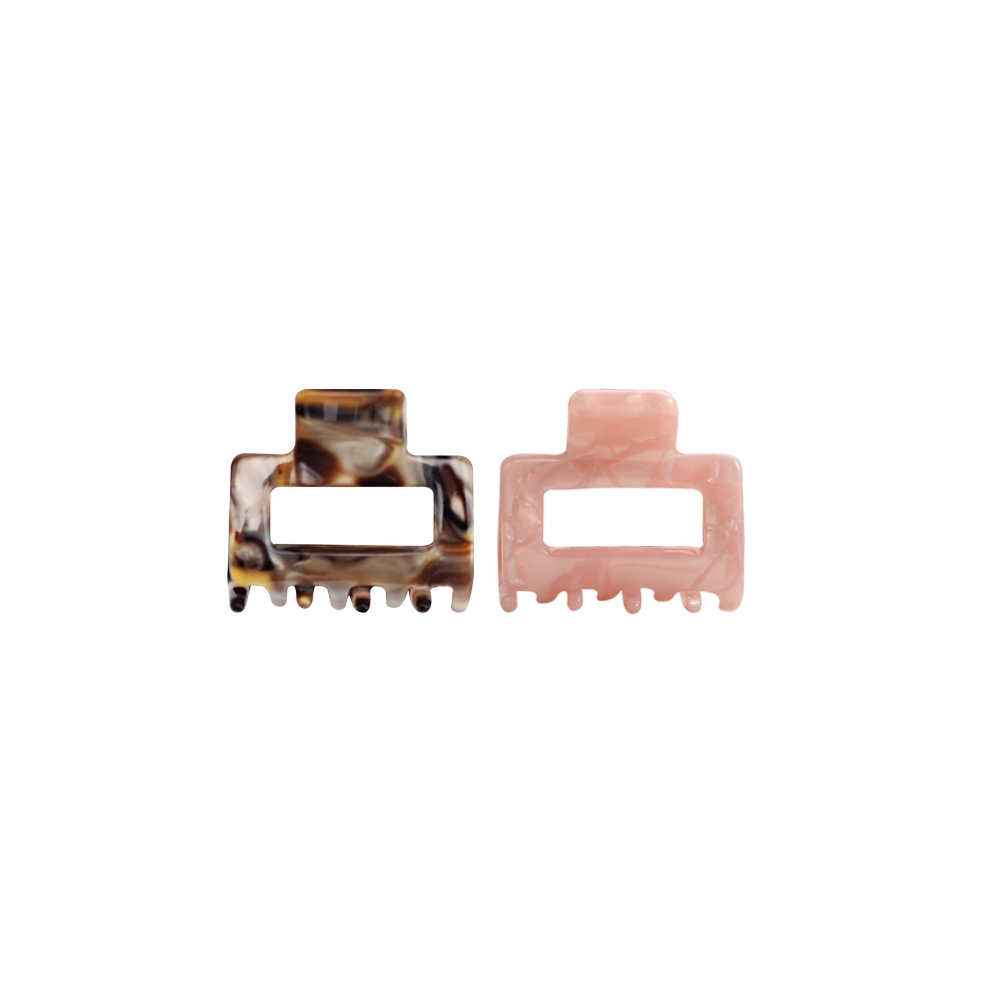
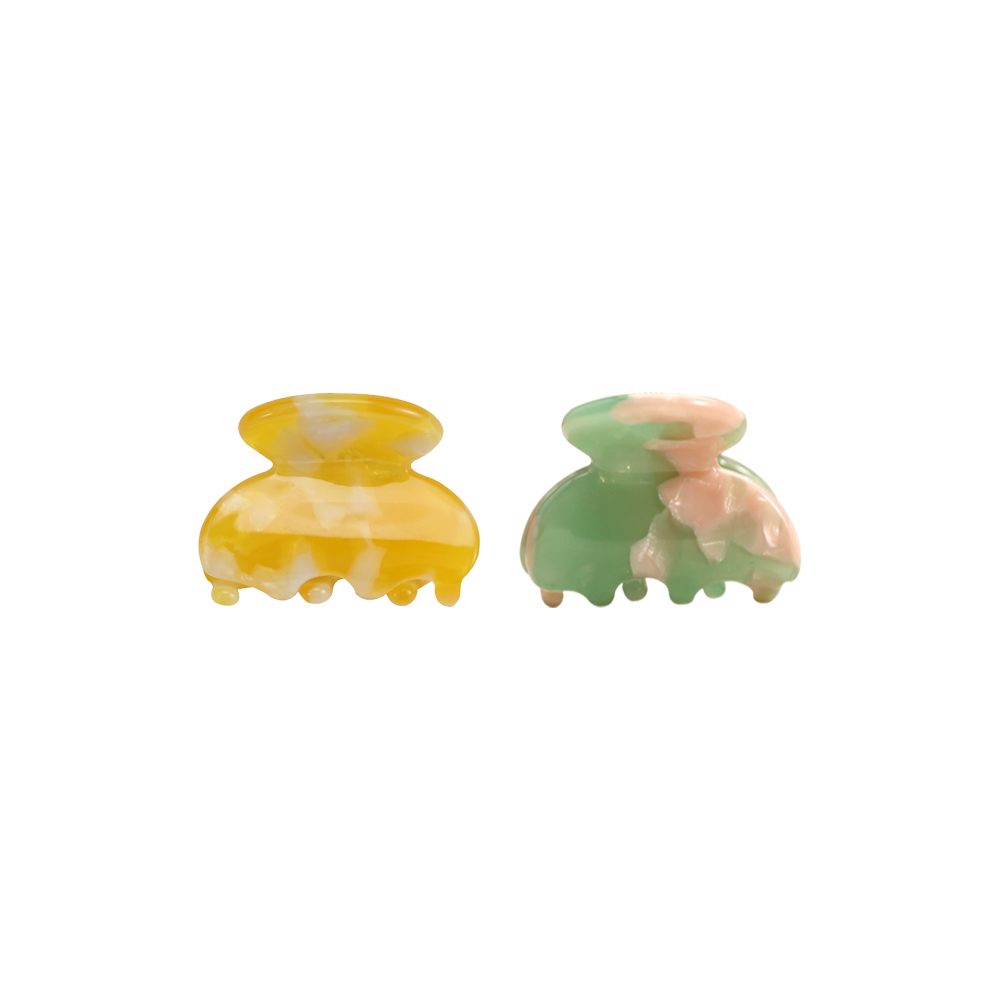
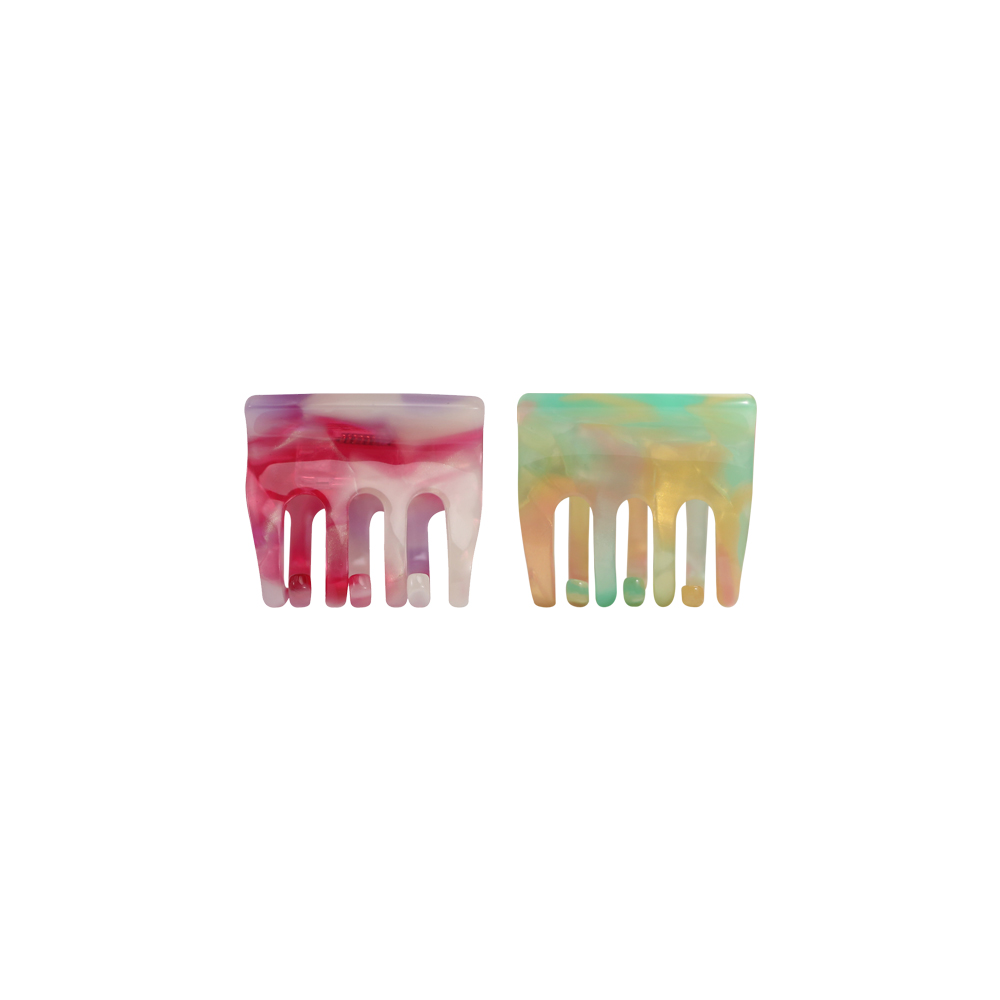
Managing curly hair often requires tools that can handle uneven curl patterns without disturbing their natural structure, and both Acetate Hair Claw Clip and Acetate Comb are commonly used in daily routines where detangling and styling need to work together. In curly hair care, the way a comb interacts with curl groups can influence how defined, separated, or frizz-prone the final look becomes, especially when hair is handled during wet or semi-dry conditions.
Curly hair behaves differently from straight or wavy textures because each strand grows in a curved pattern, creating natural bends and friction points. This structure makes tangling more frequent, especially after washing or during sleep. When a standard comb is used without consideration of curl direction, it may stretch or break curl formations, causing uneven texture or increased frizz.
Another challenge is moisture distribution. Curly hair tends to lose hydration faster along bends, which can make strands more fragile when dry. Pulling through knots aggressively can separate curl clumps, affecting how curls sit together. For this reason, comb design and material selection become important in daily grooming routines, particularly for users who prefer maintaining defined curl groups rather than fully separating strands.
The Acetate Hair Claw Clip,Acetate Comb combination is often used in routines where both styling and section control are needed. Acetate as a material provides a smooth surface that reduces friction when moving through curls. Instead of catching on tight bends, it allows a more gradual separation of strands, which can help maintain curl formation during detangling.
The comb’s tooth spacing also plays a role. Wider spacing helps curls pass through without excessive compression, while rounded edges reduce sharp pulling points. This design approach supports curl grouping rather than full strand separation.
Key structural elements include:
In addition, when used alongside an acetate claw clip, curls can be temporarily secured without being flattened. This is useful during styling stages such as applying leave-in products or separating sections for definition work.
In everyday curly hair care, the acetate comb is often used during the detangling phase when hair is damp or coated with conditioning products. This timing matters because curls are more flexible and less prone to breakage when hydrated. The comb helps divide hair into manageable sections, allowing users to work through knots gradually rather than forcing a full-head detangle at once.
After detangling, the claw clip is often used to hold sections aside while styling continues. This is particularly helpful when applying curl creams or gels, as it keeps processed sections separate from untouched hair.
Typical routine flow:
This structured approach helps reduce overlap between processed and unprocessed curls, which can affect curl consistency after drying.
|
Tool Type |
Contact Style |
Curl Impact |
Usage Stage |
|
Acetate Comb |
Wide-tooth, smooth glide |
Maintains curl grouping |
Detangling, sectioning |
|
Plastic Fine Comb |
Tight teeth spacing |
May separate curls unevenly |
Dry styling only |
|
Fingers |
Manual separation |
Preserves natural curl shape |
Final touch detangling |
|
Metal Comb |
Firm contact |
Higher tension on knots |
Not preferred for wet curls |
This comparison shows why acetate combs are often chosen in routines where curl structure is being maintained rather than reshaped. The balance between spacing and surface smoothness supports gradual detangling instead of abrupt separation.
In salon and personal care routines, one repeated observation is that curl definition is influenced not only by styling products but also by the detangling stage. When curls are combed in sections using acetate tools, the curl clusters tend to remain more consistent during drying. This is because the original grouping is less disrupted before styling products are applied.
When acetate claw clips are used during this process, they help maintain section boundaries. This prevents previously detangled curls from mixing with untouched sections, which can otherwise cause uneven product distribution.
Practical effects observed in routine use:
These outcomes are related more to handling method than product enhancement, highlighting the importance of tool sequence in curly hair routines.
Curly hair care routines have gradually shifted toward section-based handling rather than full-head manipulation. Within this approach, tools like the Acetate Hair Claw Clip,Acetate Comb support step-by-step control, allowing users to manage curls in smaller groups rather than as a single mass.
This method is often used in:
The combination of comb and clip supports separation of tasks, which can reduce repeated handling of the same curls during a single routine.

 +86-15988514911
 [email protected]
 3/F, Building 4, No.2289, Xuefeng West Road, Chengxi Industrial District, Yiwu 322000, Zhejiang Province, China.
Custom Stylish Hair Accessories


 English
 Español
 Deutsch