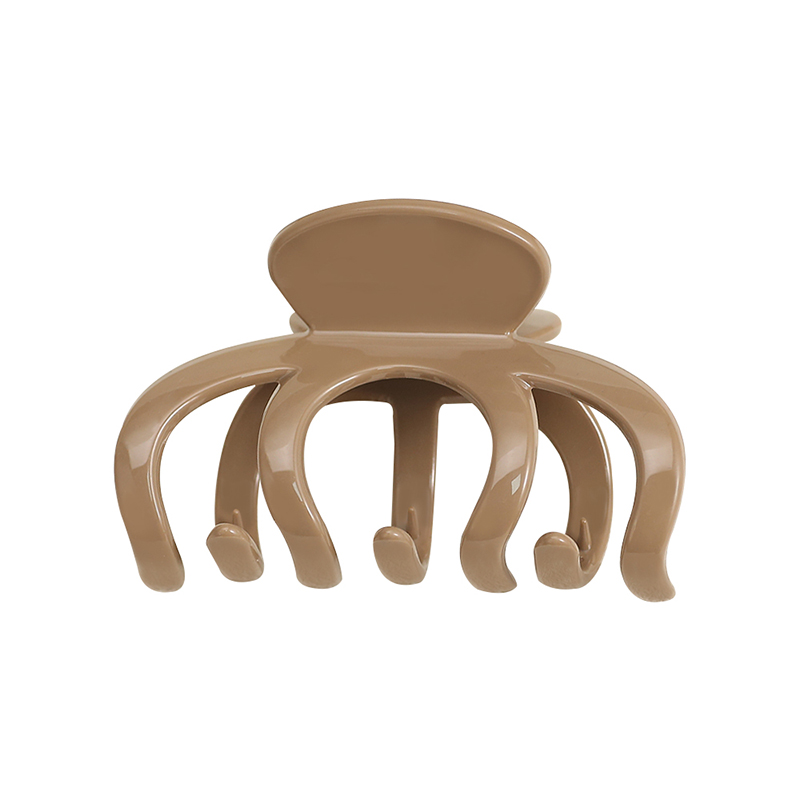
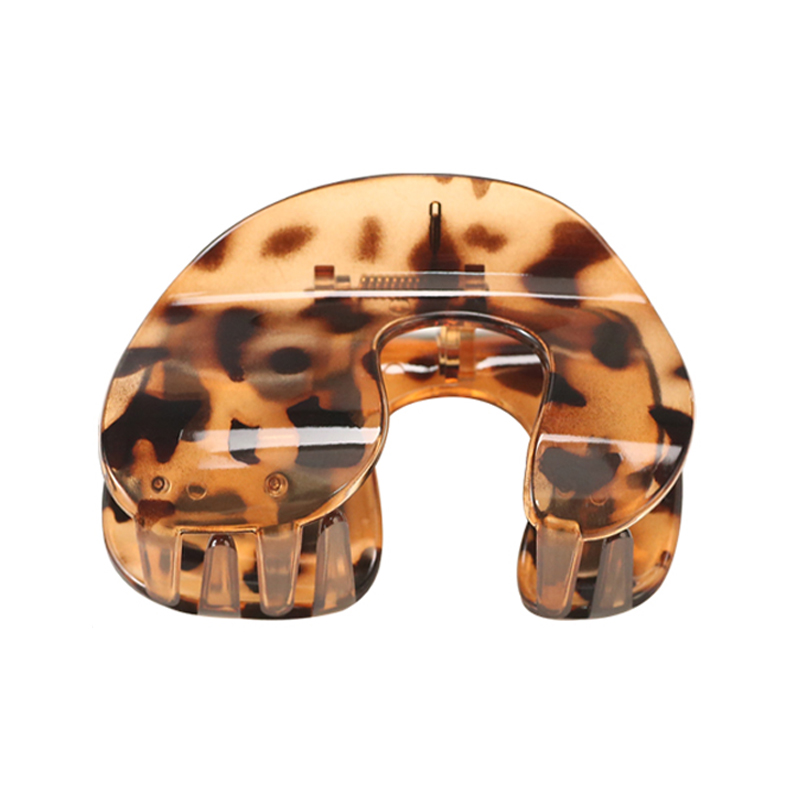
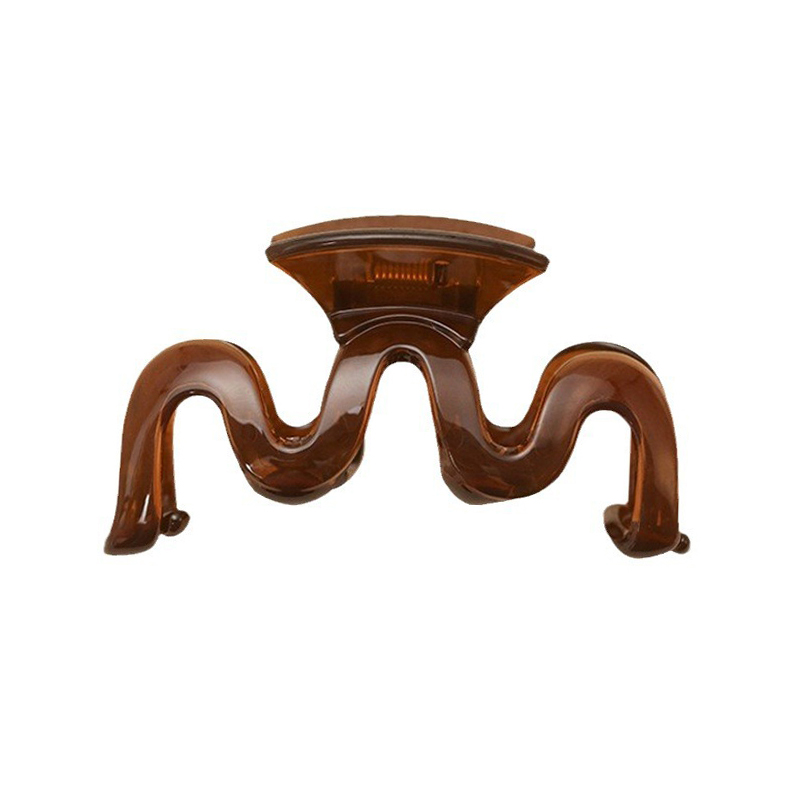
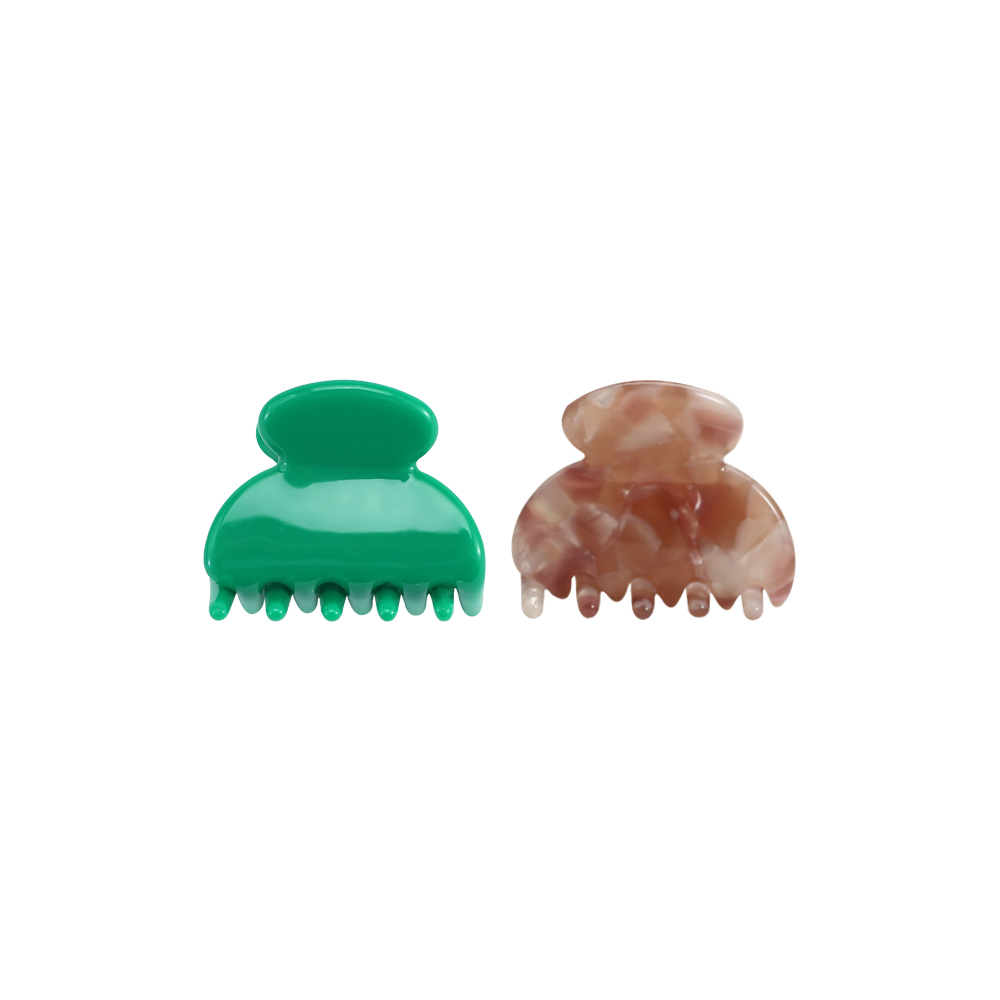
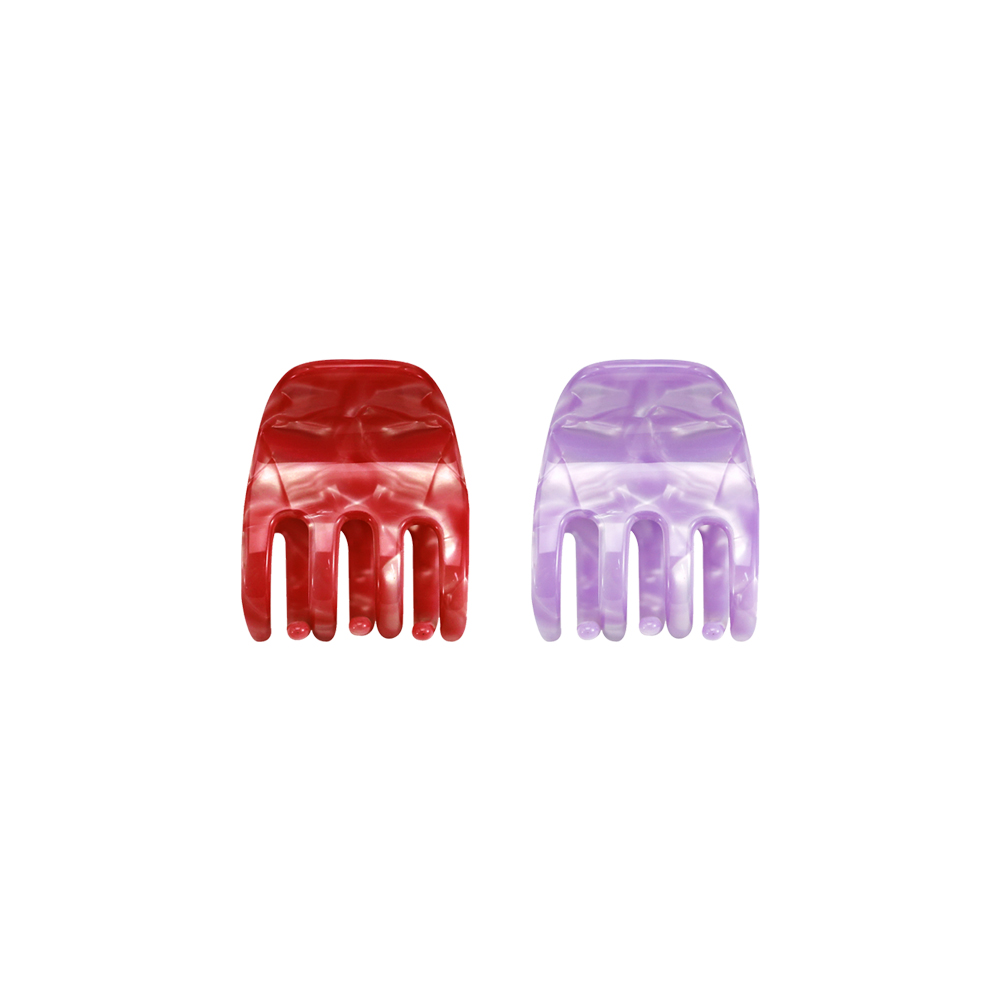
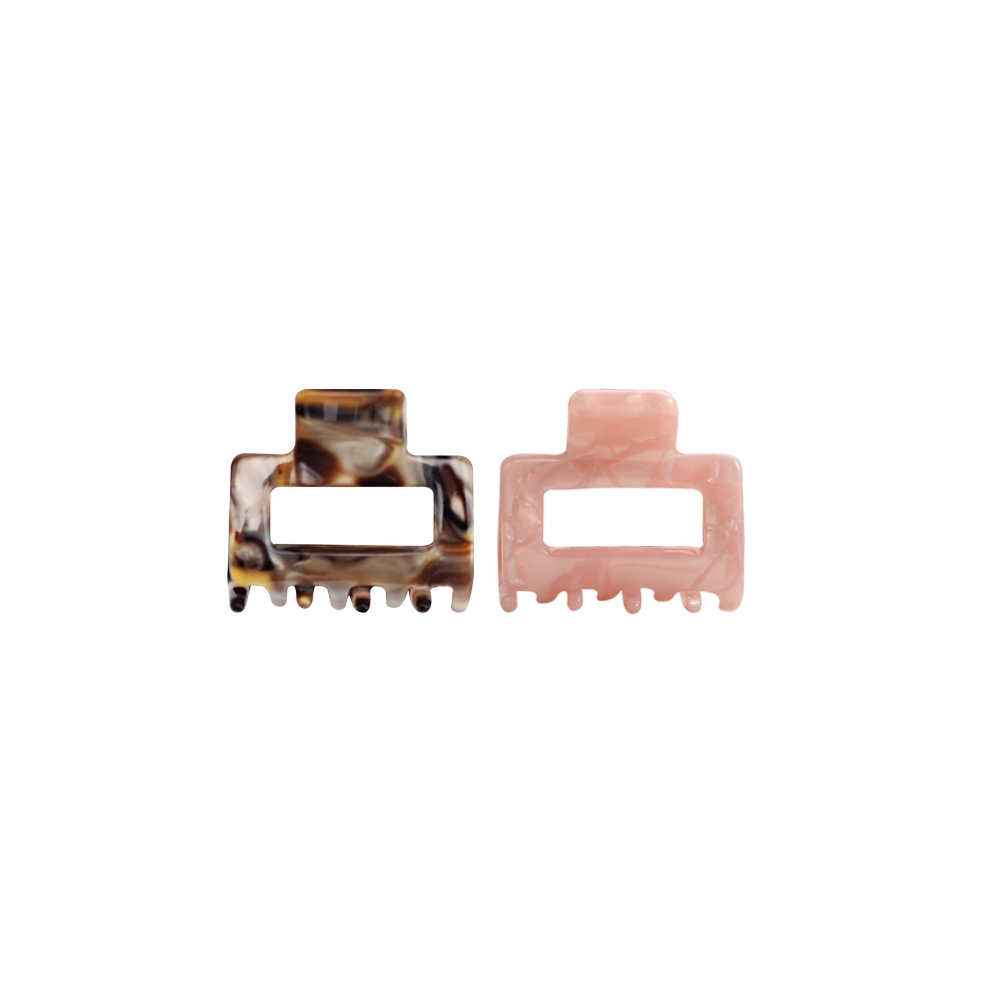
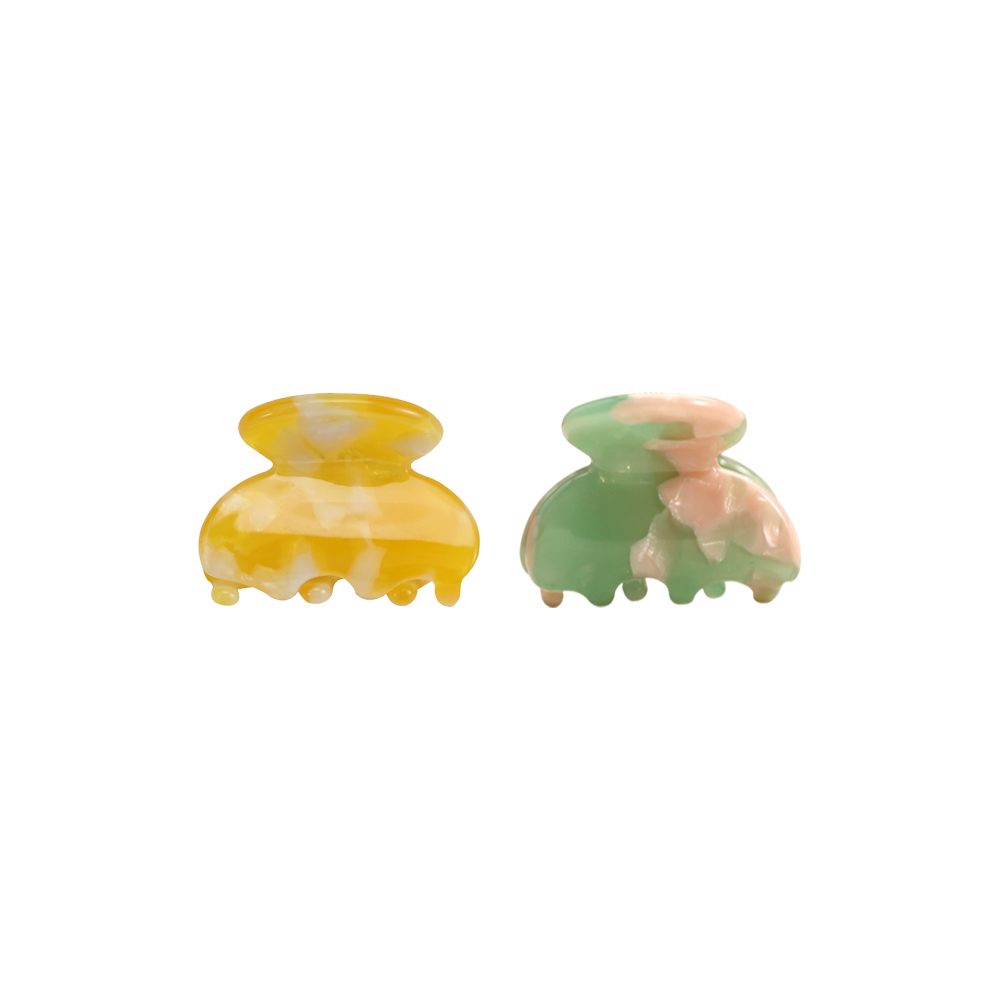
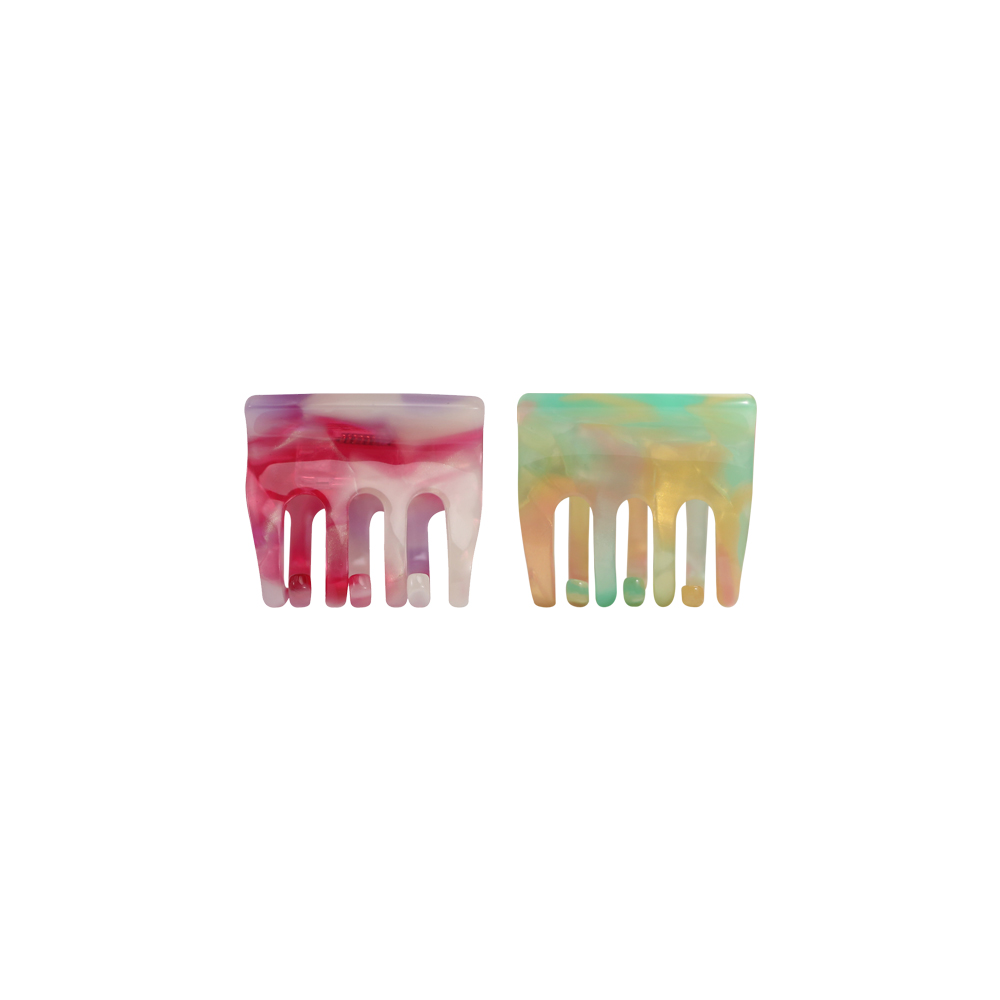
Acetate Hair Claw Clip and Acetate Comb are often used together in daily hair care routines where quick styling and controlled finishing matter. The Acetate Comb, in particular, has become a practical travel companion for managing hair texture changes during commuting, workdays, or short trips.
Hair tends to react quickly to environmental changes such as humidity, friction from clothing, or frequent tying and releasing. In these situations, users of an Acetate Hair Claw Clip often rely on it for securing hair during the day, but once the hair is released, strands can appear uneven or slightly tangled. This is where the Acetate Comb plays a supportive role, helping to smooth sections without pulling or causing excessive tension on the scalp.
Unlike basic plastic combs that may create static in dry environments, acetate material provides a smoother glide across hair surfaces. This characteristic makes it more suitable for people who switch between indoor air-conditioned spaces and outdoor environments throughout the day. The need is not only about appearance but also about maintaining a manageable hair condition during repeated styling adjustments.
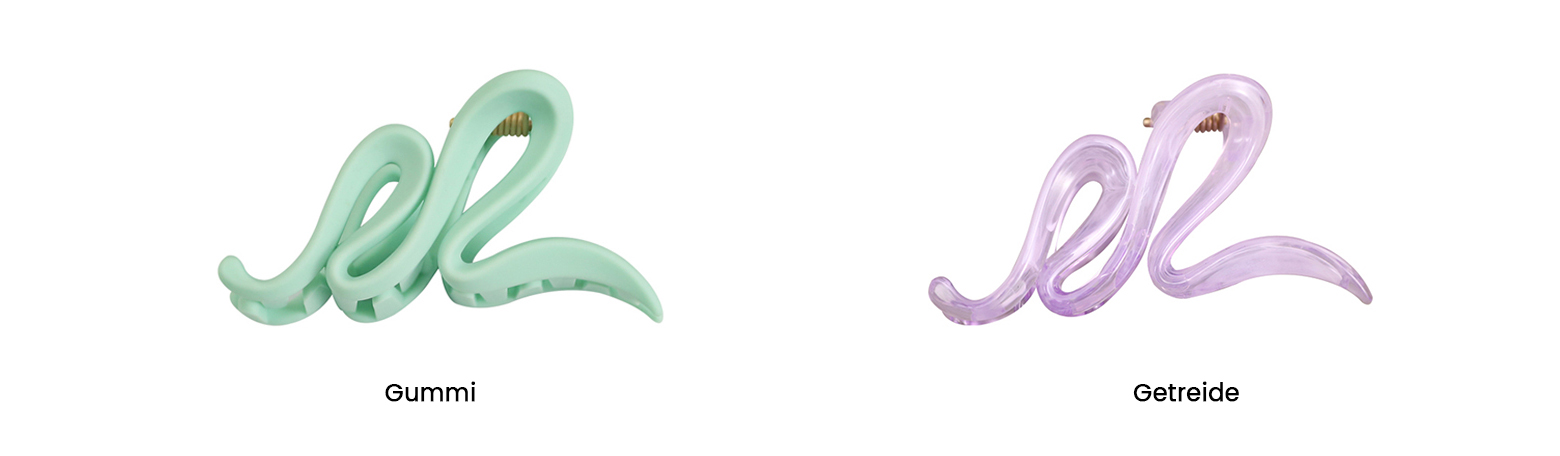
Acetate-based hair tools are produced through layered material pressing and shaping, which allows for a denser structure compared to injection-molded plastics. In practical use, this structure contributes to a more stable tooth alignment in combs and a more refined grip surface in hair claws.
When paired with an Acetate Hair Claw Clip, the Acetate Comb is often used for sectioning hair before clipping, or for loosening hair after removal of the clip. The combination supports a more controlled styling process without requiring multiple tools.
Key functional characteristics often observed in acetate hair tools include:
These features do not change the styling outcome dramatically on their own, but they help maintain consistency in repeated daily use, especially for users who style their hair multiple times a day.
The Acetate Comb is not limited to home use. It is frequently carried in handbags, travel kits, and workplace drawers. Its compact form allows it to be used in a variety of situations where quick adjustments are needed.
Common usage scenarios include:
In many of these cases, the comb is not used for complex styling but for restoring a manageable shape and aligning hair strands before tying or leaving them loose again.
Based on general user feedback patterns in everyday grooming products, acetate combs are often preferred by individuals who alternate between tied and loose hairstyles throughout the day. A small informal survey within retail feedback channels showed that users who regularly use claw clips tend to keep a comb nearby for quick resets.
Approximate usage insights:
These figures reflect usage behavior rather than controlled testing results, but they highlight how the comb fits into routine grooming habits rather than being a single-step styling tool.
Hair styling routines today are often built around flexibility rather than fixed hairstyles. People tend to switch between tied, half-tied, and loose styles depending on context. In this pattern, tools like the Acetate Hair Claw Clip and Acetate Comb are used in rotation rather than isolation.
The comb supports preparation and reset stages, while the clip supports holding and shaping stages. Together, they create a simple system that allows users to adjust appearance without repeated washing or heat styling. This approach aligns with time-conscious grooming habits where quick adjustments are preferred over longer styling sessions.
While acetate tools are generally durable under normal use, their performance is also influenced by basic maintenance habits. Cleaning the comb periodically helps reduce product buildup from conditioners or styling sprays. Similarly, storing both the Acetate Comb and Acetate Hair Claw Clip in a dry pouch can help maintain surface smoothness over time.
Some users also prefer to keep separate combs for different environments, such as one at home and one in a travel bag. This reduces the need for frequent transfer and lowers the chance of misplacement during daily movement.
Q1: Can an Acetate Comb be used on wet hair?
Yes, it can be used on slightly damp hair. However, it is generally recommended to detangle gently to avoid unnecessary stress on strands when hair is fully wet.
Q2: Is it suitable for thick or curly hair types?
The comb can be used for different hair textures, including thicker or curly hair. Sectioning hair before combing may improve manageability.
Q3: How does it differ from regular plastic combs?
Acetate combs tend to have a smoother surface finish, which can reduce pulling during combing and help with more controlled detangling.
Q4: Can it be carried during travel without damage?
Yes, its compact structure makes it suitable for travel bags. Keeping it in a protective pouch can help avoid scratches.
Q5: Does it work well with styling clips like an Acetate Hair Claw Clip?
Yes, they are often used together. The comb is used for sectioning or smoothing, while the clip is used for holding hair in place.

 +86-15988514911
 [email protected]
 3/F, Building 4, No.2289, Xuefeng West Road, Chengxi Industrial District, Yiwu 322000, Zhejiang Province, China.
Custom Stylish Hair Accessories


 English
 Español
 Deutsch