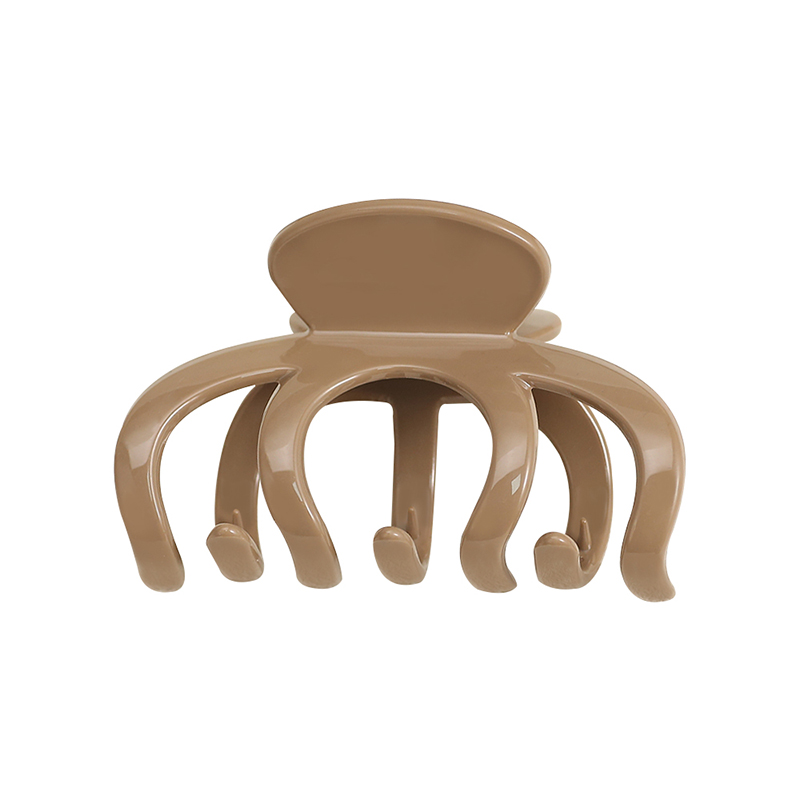
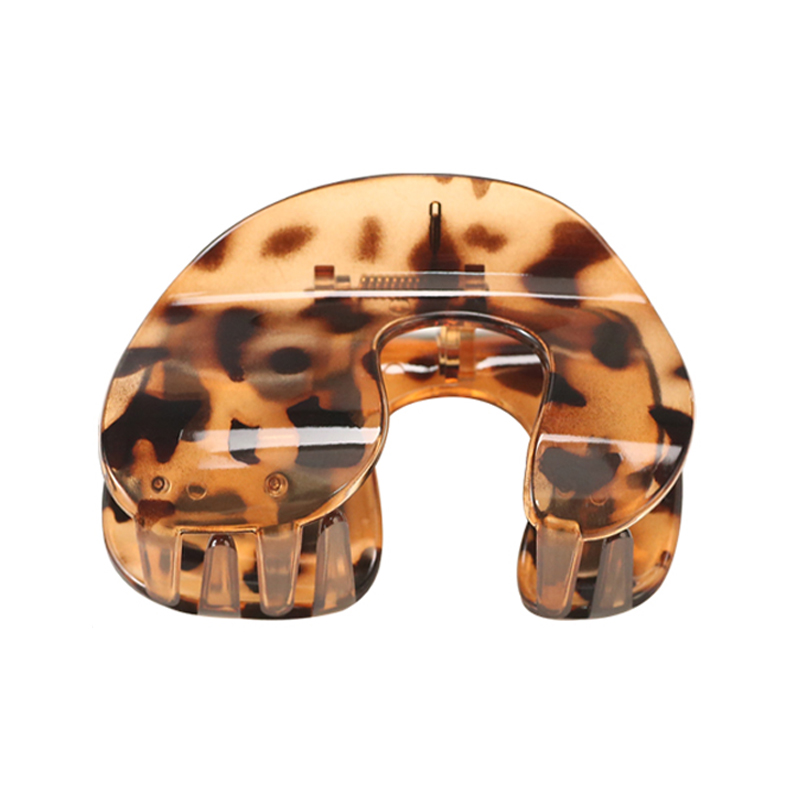
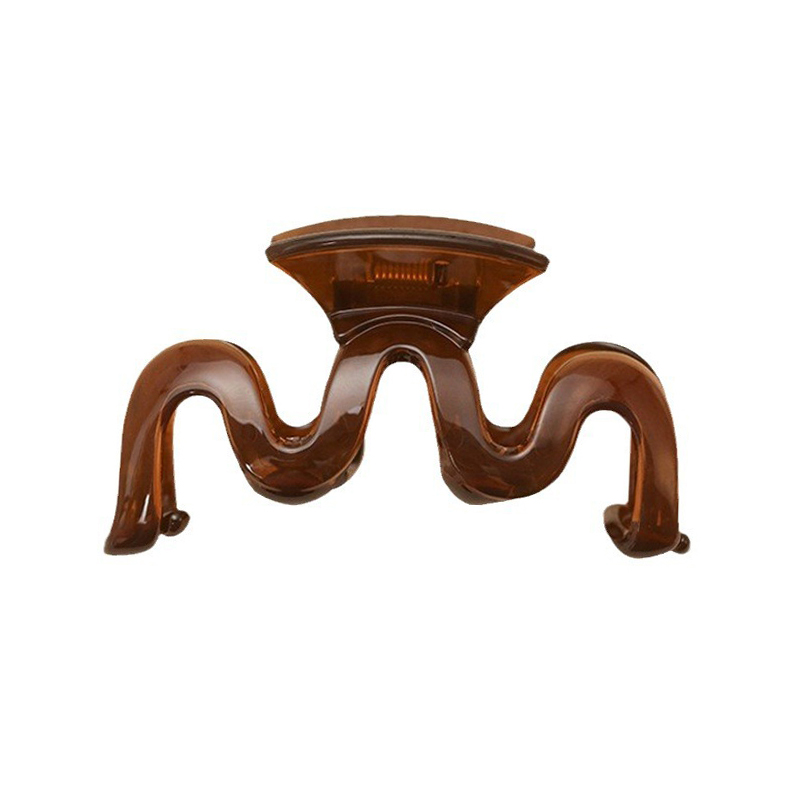
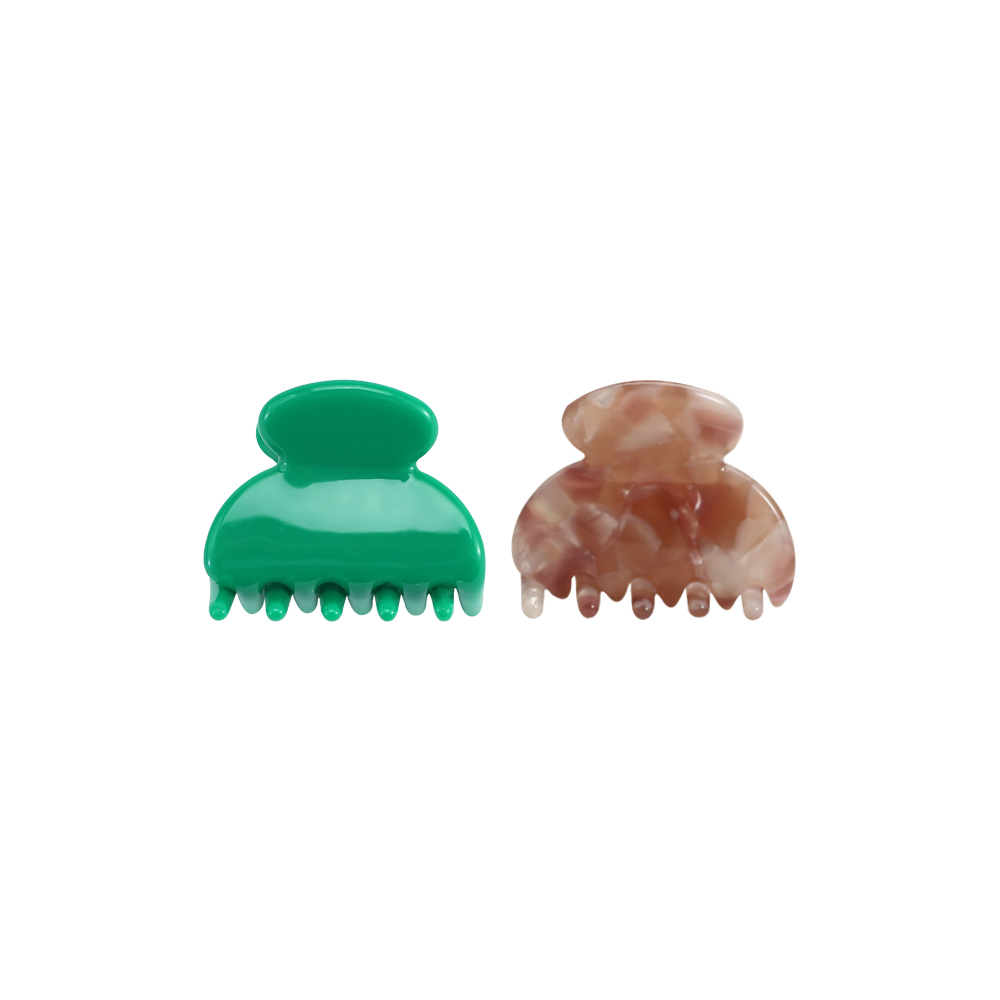
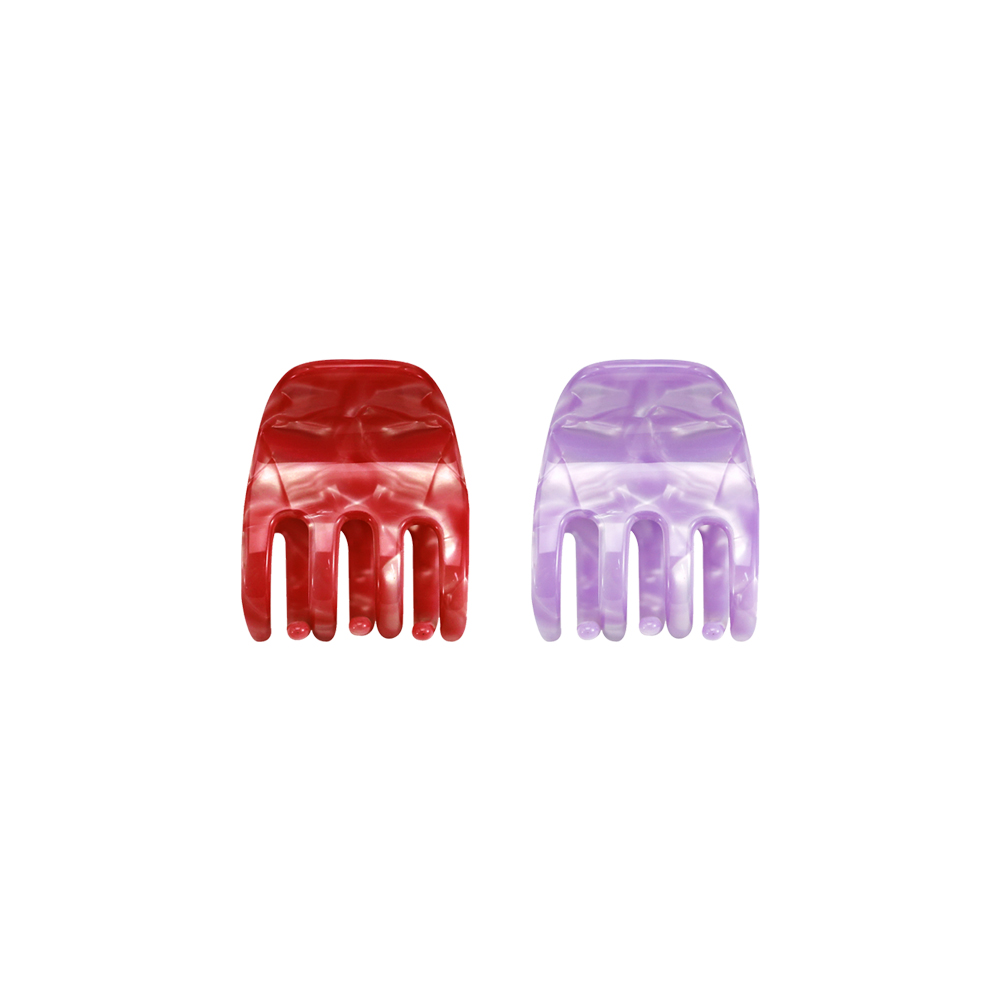
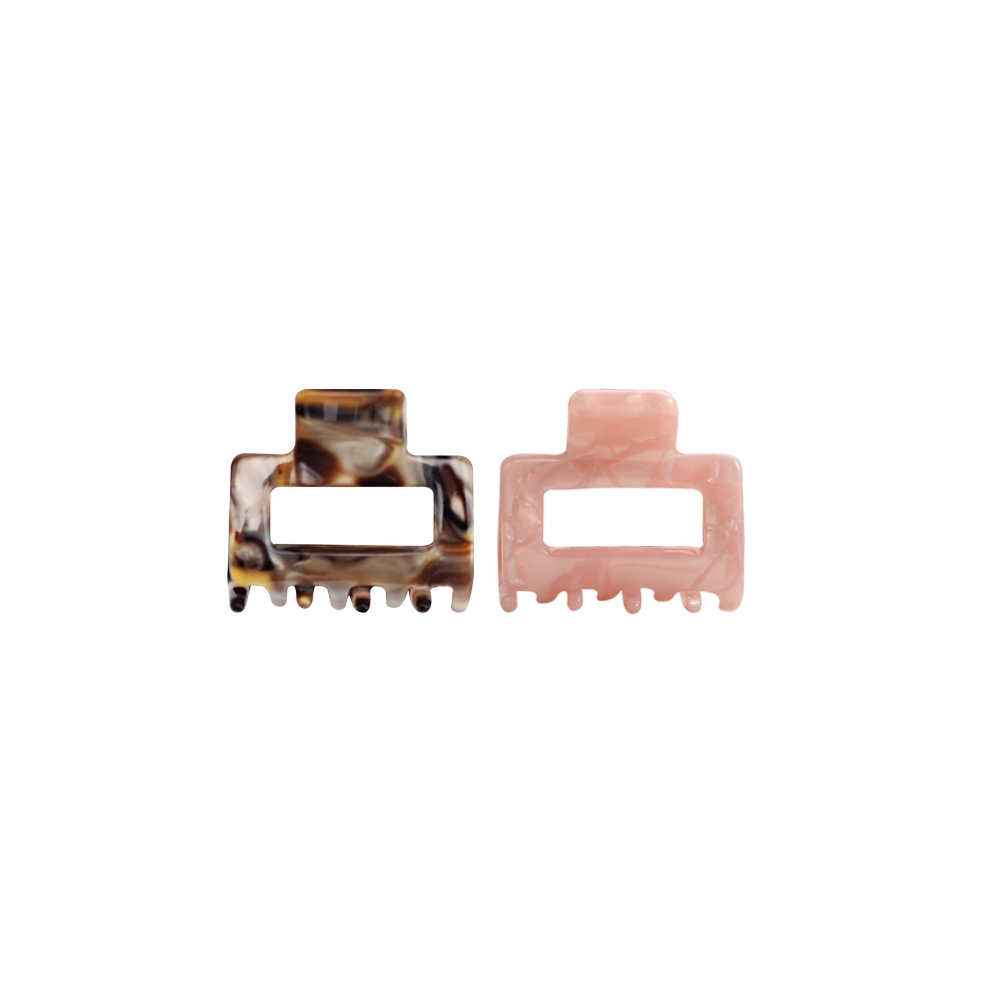
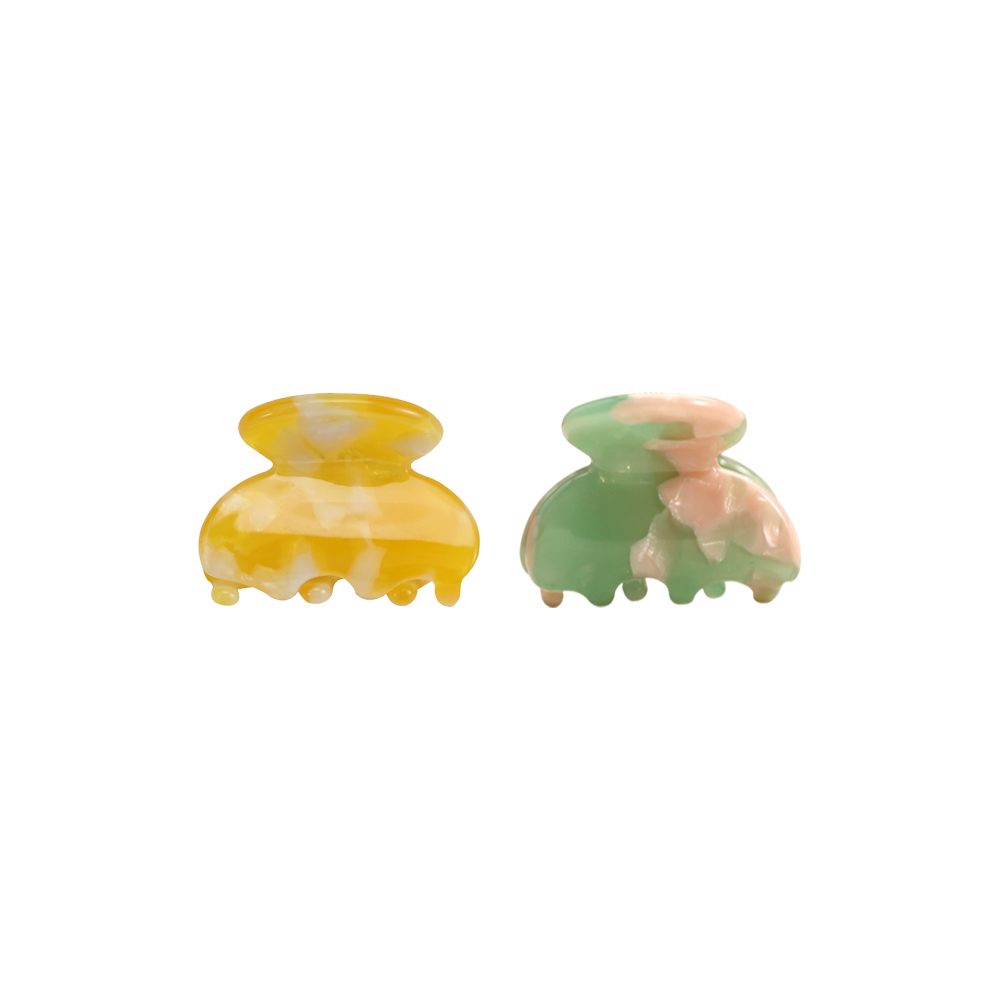
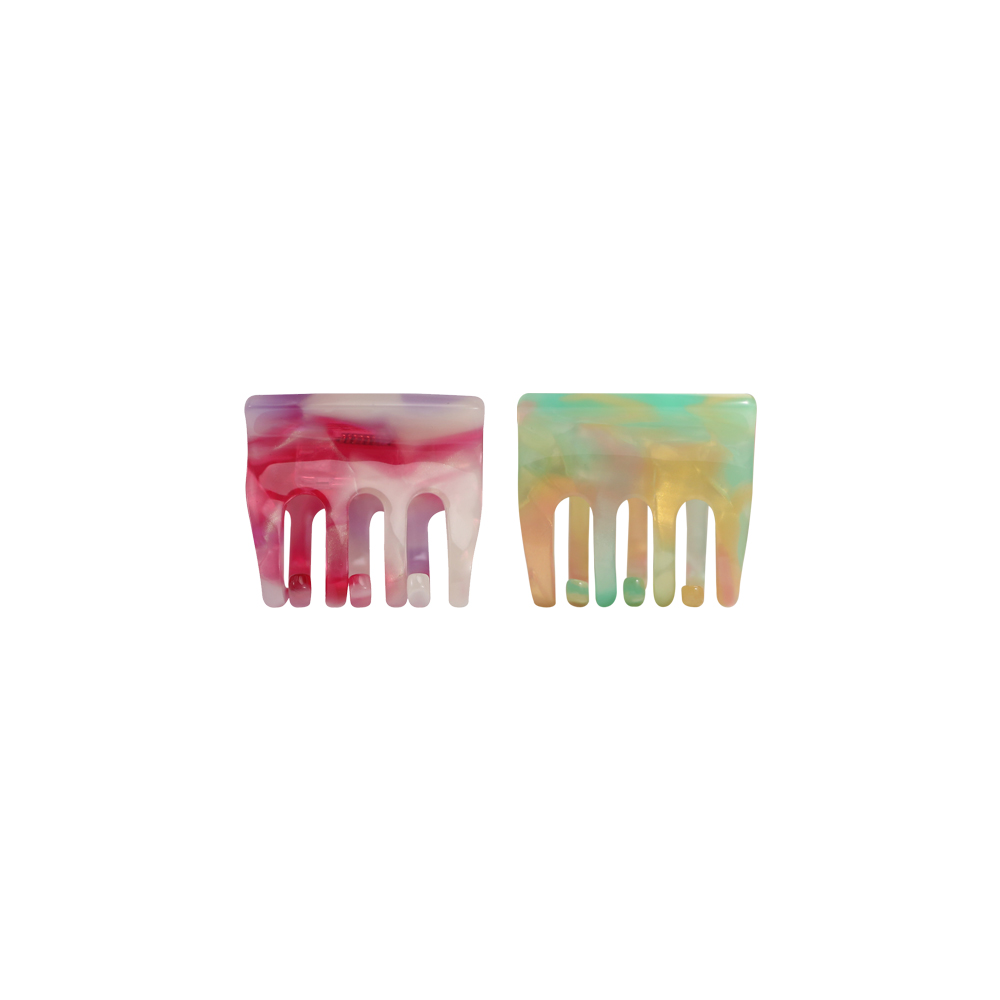
Styling a bun that remains in place through daily movement often depends on the tools used, and both Acetate Hair Claw Clip and Acetate Comb play a practical role in shaping and holding the structure. In many routine hair setups, the way these two tools interact with hair texture and distribution can influence how stable a bun feels during wear, especially for medium to long hair types that tend to loosen over time.
Creating a bun that holds shape is not only about twisting hair together. Hair texture differences, thickness variations, and smoothness at the surface all affect how well a style stays intact. Straight hair may slip out more easily, while layered or fine hair can loosen at the base if there is insufficient grip distribution.
Another factor is scalp movement throughout the day. Activities like walking, leaning, or tying and untying accessories often introduce small shifts that gradually loosen a bun. Traditional pins alone sometimes concentrate pressure in limited points, which may not support even holding across the entire bun structure. This is where accessory design becomes relevant, especially tools that spread tension across a wider area rather than focusing on a single locking point.
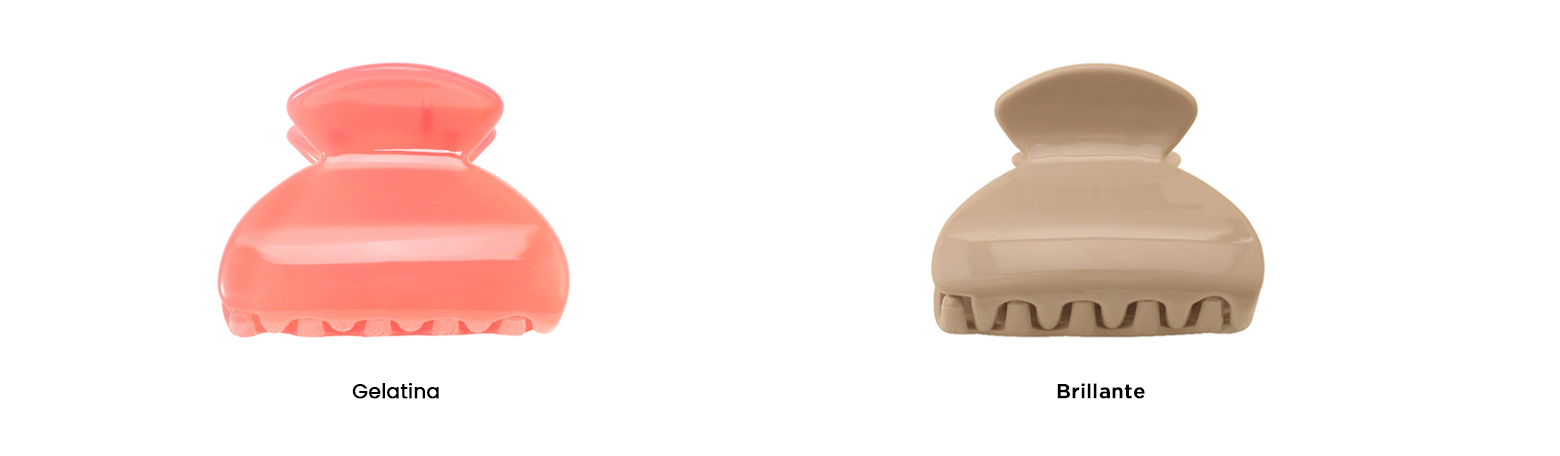
The structure of acetate-based accessories brings a different approach to hair handling. The Acetate Hair Claw Clip,Acetate Comb combination is often used because acetate material has a smooth surface that interacts gently with strands while still maintaining enough resistance to hold sections in place.
The claw clip typically uses curved teeth that follow the contour of a gathered bun. Instead of compressing hair tightly at one point, the grip is distributed across multiple contact areas. This reduces uneven pressure and helps the bun maintain its rounded shape without collapsing inward.
The comb, on the other hand, is used in the preparation stage. It helps organize strands before securing the bun, ensuring fewer loose flyaways and more uniform tension across sections. When both tools are used together, the styling process becomes more structured:
This combination supports a more controlled styling process rather than relying on a single fastening point.
In everyday styling routines, acetate hair accessories are often chosen for settings that require both appearance and practicality. Office environments, casual outings, and travel situations are typical contexts where bun styles are preferred due to their simplicity and comfort.
In salon environments, stylists also use the Acetate Hair Claw Clip,Acetate Comb pairing during quick updo creation or styling trials. The comb helps section and prepare the hair, while the clip holds the temporary or final shape without needing multiple pins. This reduces styling time during practice sessions or client consultations.
For personal daily use, these tools are often applied in situations such as:
The adaptability of both tools allows them to fit into different hair routines without requiring complex techniques.
Based on general salon usage feedback and everyday styling habits, the interaction between comb preparation and claw securing tends to improve bun consistency. When hair is not pre-combed or evenly arranged, the clip alone may need to compensate for uneven sections, which can cause slight shifting during wear.
In contrast, when the comb is used to organize direction and reduce tangling, the claw clip can hold a more unified structure. This sequence appears to support longer wear time in routine conditions such as office hours or casual outings.
Common observations include:
Hair feels more evenly distributed when combed before clipping
Bun shape remains more stable when sections are aligned in one direction
Fewer adjustments are needed throughout the day when both tools are used together
Thick hair benefits from sectioning before clipping to reduce bulk pressure points
These patterns reflect how preparation steps influence final styling outcomes more than the clip alone.
The design of acetate accessories also affects how users interact with their hairstyles. The smooth finish of acetate reduces friction during insertion and removal, which can be noticeable when adjusting buns multiple times a day. This is especially relevant for individuals who restyle their hair between work sessions or after commuting.
The comb’s spacing between teeth allows gradual detangling rather than forceful pulling, which helps maintain hair alignment before securing it. Meanwhile, claw clips with curved structures distribute holding force more evenly, reducing the likelihood of sharp pressure points that can disturb the bun shape.
Together, these design elements contribute to a styling process that feels more controlled and less dependent on repeated adjustments
Yes, acetate claw clips are often used with thicker hair when sections are properly gathered using a comb. The grip depends on how evenly the hair is distributed before clipping.
Using a comb helps align strands and reduce tangles, which allows the claw clip to secure a more uniform bun shape without uneven tension points.
Acetate has a smoother surface compared to some rigid plastics, which may reduce snagging during styling and removal. However, results still depend on usage technique.

 +86-15988514911
 [email protected]
 3/F, Building 4, No.2289, Xuefeng West Road, Chengxi Industrial District, Yiwu 322000, Zhejiang Province, China.
Custom Stylish Hair Accessories


 English
 Español
 Deutsch