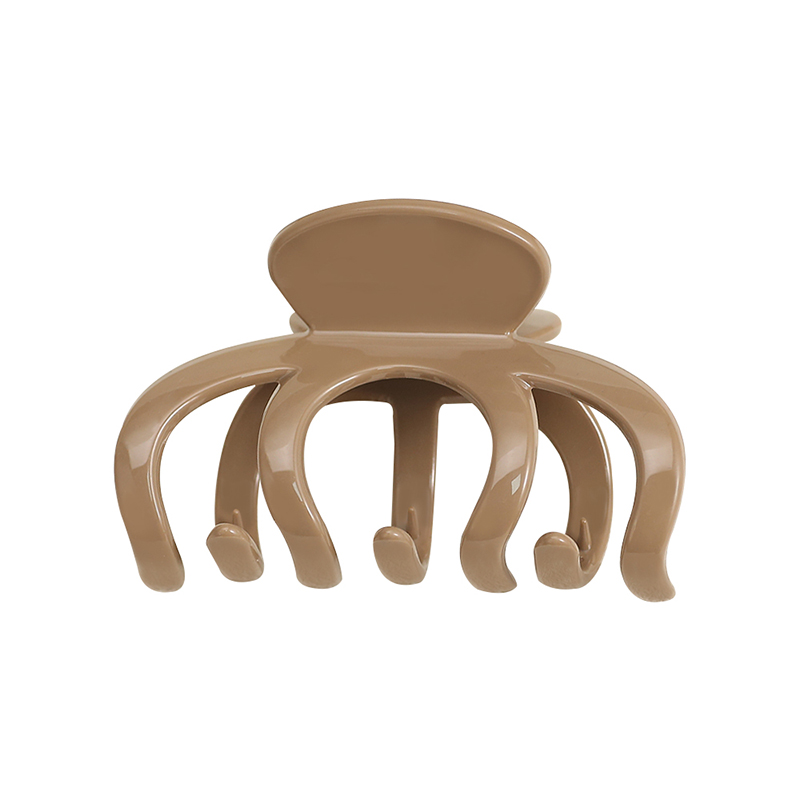
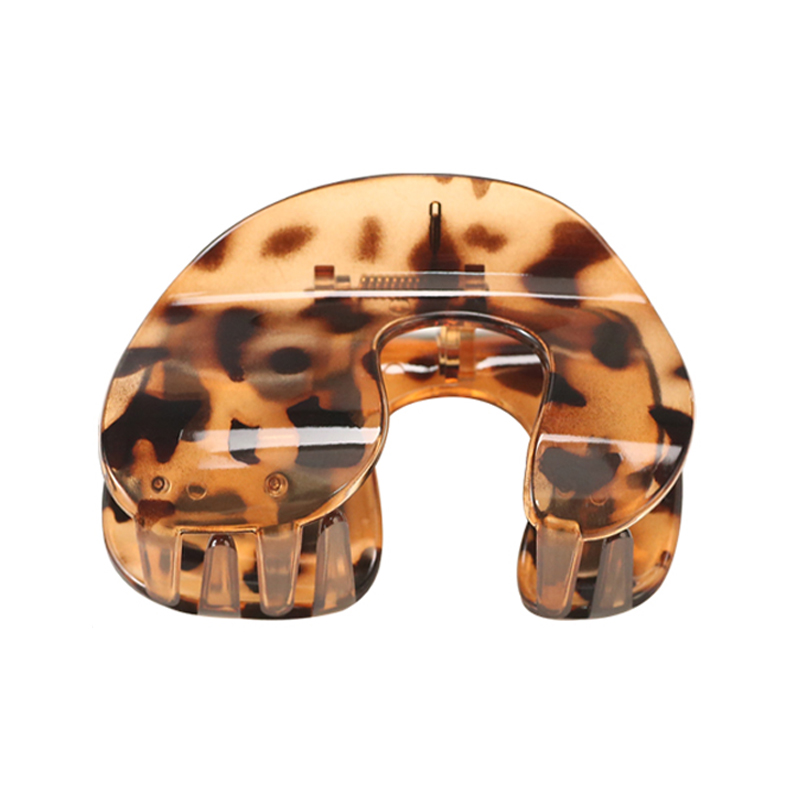
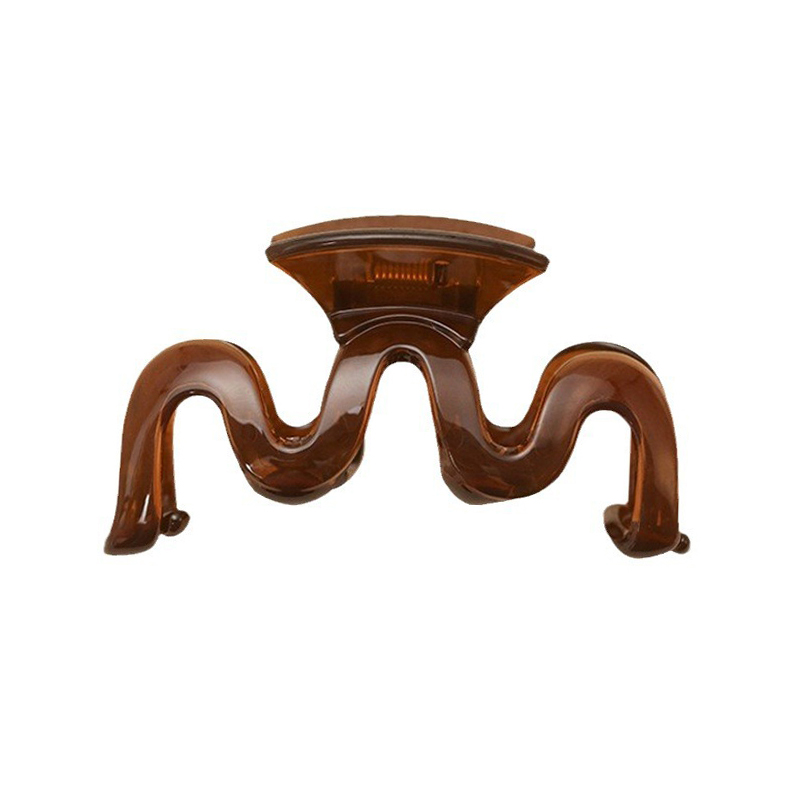
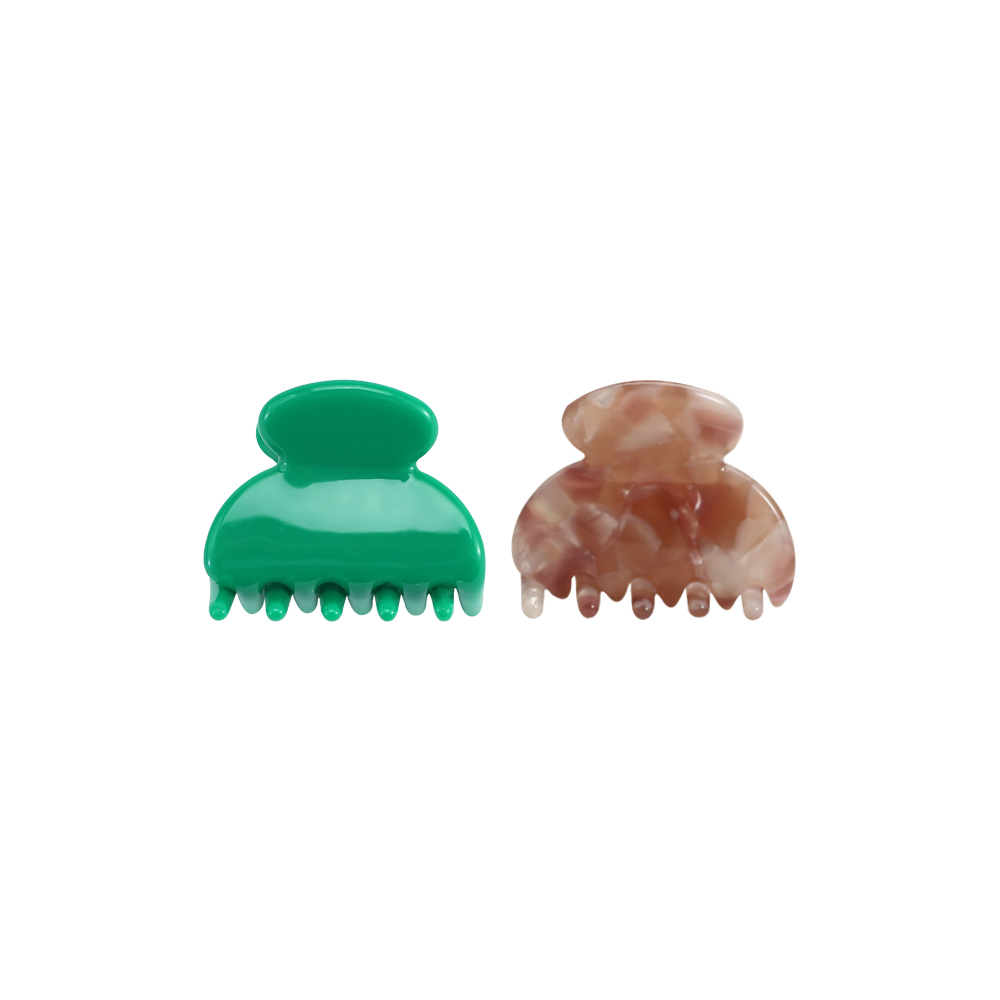
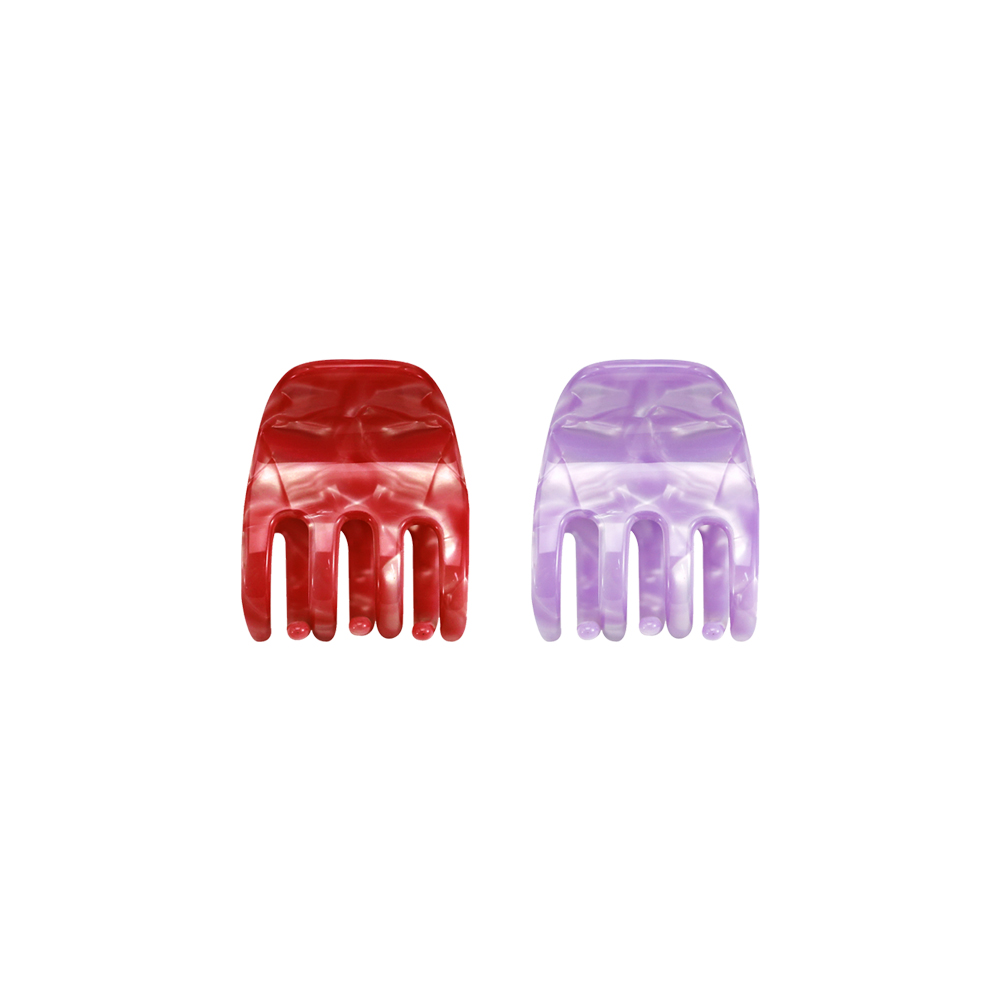
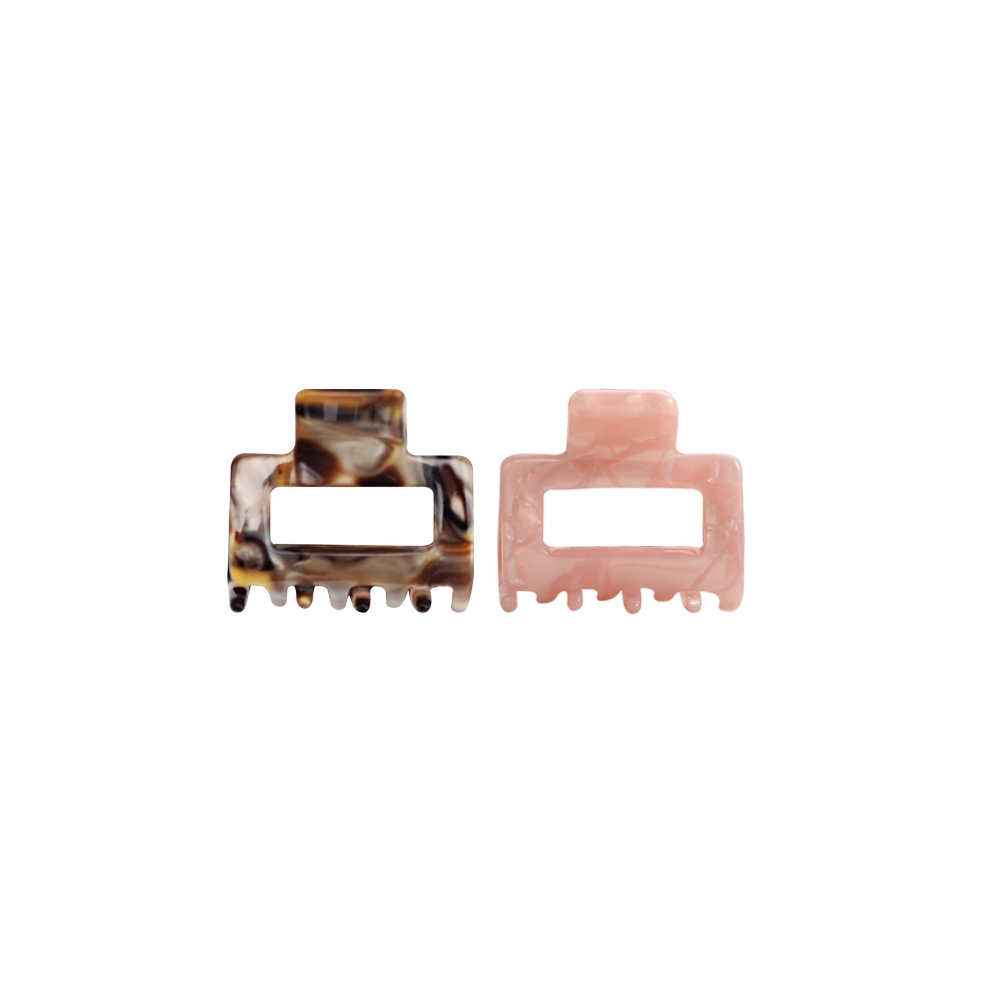
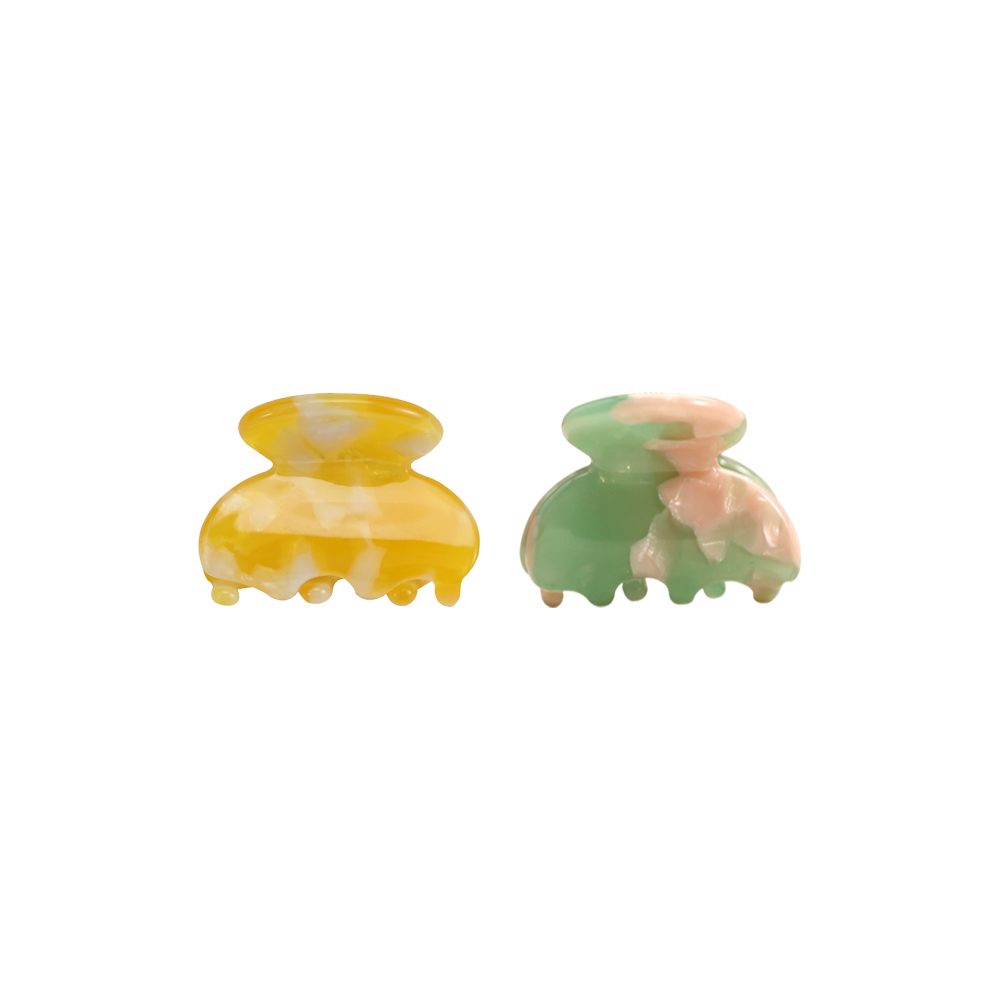
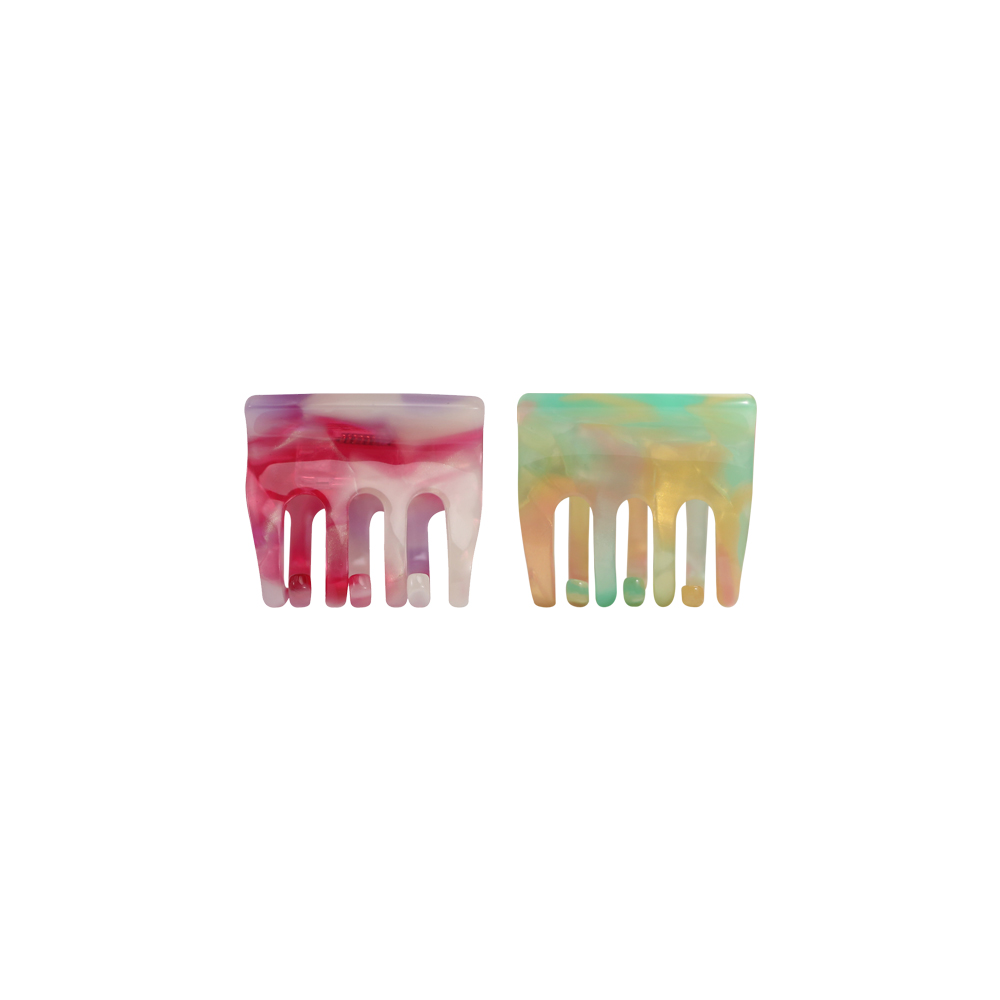
For those interested in how an Acetate Hair Claws Clips Manufacturer and a Custom Hair Claws Clips Manufacturer operate behind the scenes, one of the key questions often raised is where these companies obtain their materials. The quality and performance of hair accessories depend greatly on the raw materials chosen. Understanding how manufacturers source acetate and other related components helps customers, retailers, and designers make informed decisions when selecting products for their own brands or personal use.
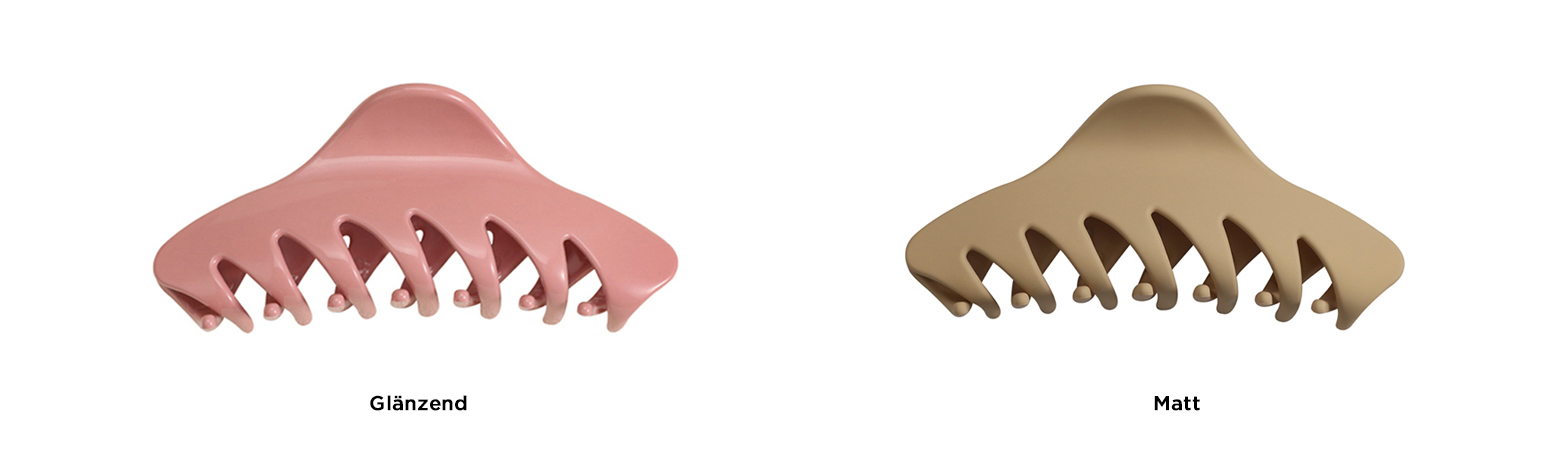
Acetate, the main material for hair claw clips, is derived from plant-based cellulose, typically from cotton linters or wood pulp. These natural fibers undergo a series of chemical processes to form cellulose acetate, which combines flexibility with visual clarity. The material’s organic base makes it different from petroleum-based plastics, offering a smooth texture and natural shine that many users appreciate for both aesthetics and comfort.
Manufacturers generally partner with certified acetate sheet suppliers located in countries with established production standards, such as Italy, France, Japan, and China. These suppliers produce acetate sheets under strict environmental and safety controls. Each batch is inspected for parameters such as transparency, color uniformity, and density before shipment. This ensures that the material can be shaped and polished consistently during later production stages.
High-end acetate sheets often come from suppliers known for craftsmanship in the eyewear industry, as the same materials are used to produce durable and visually appealing glasses frames. The shared standards benefit the hair accessories sector, where flexibility, surface smoothness, and resistance to cracking are equally important.
When choosing acetate suppliers, manufacturers prioritize long-term cooperation rather than one-time sourcing. This partnership model allows them to maintain consistent quality and achieve better control over color and pattern variations. Acetate sheets can be solid-colored, patterned, or marbled, depending on customer requirements.
Before placing large orders, manufacturers typically request material samples and conduct small-scale trials. During these tests, they assess cutting performance, surface polish response, and reaction to heating. This data helps determine whether the acetate behaves properly under molding temperatures and retains its structural integrity after cooling.
Manufacturers also communicate regularly with suppliers regarding color batches. Since acetate sheets are often layered to create depth and unique visual effects, even small differences in pigment concentration can alter the final appearance. By maintaining direct communication, manufacturers ensure consistency across production runs, reducing color deviation between orders.
Apart from acetate sheets, hair claw clips require several additional components such as springs, pins, and coatings. These supporting materials also influence product durability and appearance. Springs are usually sourced from specialized hardware suppliers that produce small-scale precision metal parts. The choice of spring material—often stainless steel or carbon steel—depends on the desired tension strength and corrosion resistance.
Coating materials, including eco-friendly paints and surface protectants, are purchased from chemical companies that comply with safety regulations. Manufacturers favor water-based coatings to reduce environmental impact and prevent discoloration caused by exposure to sunlight or humidity. Packaging materials, such as recyclable boxes or pouches, are sourced locally to balance quality with cost efficiency.
Ensuring Material Quality Through Inspection and Traceability
Quality control begins as soon as materials arrive at the production site. Every shipment of acetate sheets is accompanied by a material certificate detailing its composition, production date, and color code. Technicians inspect the sheets for thickness accuracy, surface defects, and color consistency. Random sampling is conducted to verify compliance with both internal standards and customer specifications.
If any imperfections are found—such as air bubbles or uneven coloring—the materials are either returned to the supplier or assigned for testing rather than mass production. This step reduces waste and ensures that only approved materials are used in final products.
To maintain traceability, manufacturers often label each material batch with a unique code that can be tracked through the entire production cycle. This system allows them to identify the source of materials used in each order, which is particularly useful for custom-made designs that require specific patterns or color blends.

 +86-15988514911
 [email protected]
 3/F, Building 4, No.2289, Xuefeng West Road, Chengxi Industrial District, Yiwu 322000, Zhejiang Province, China.
Custom Stylish Hair Accessories


 English
 Español
 Deutsch