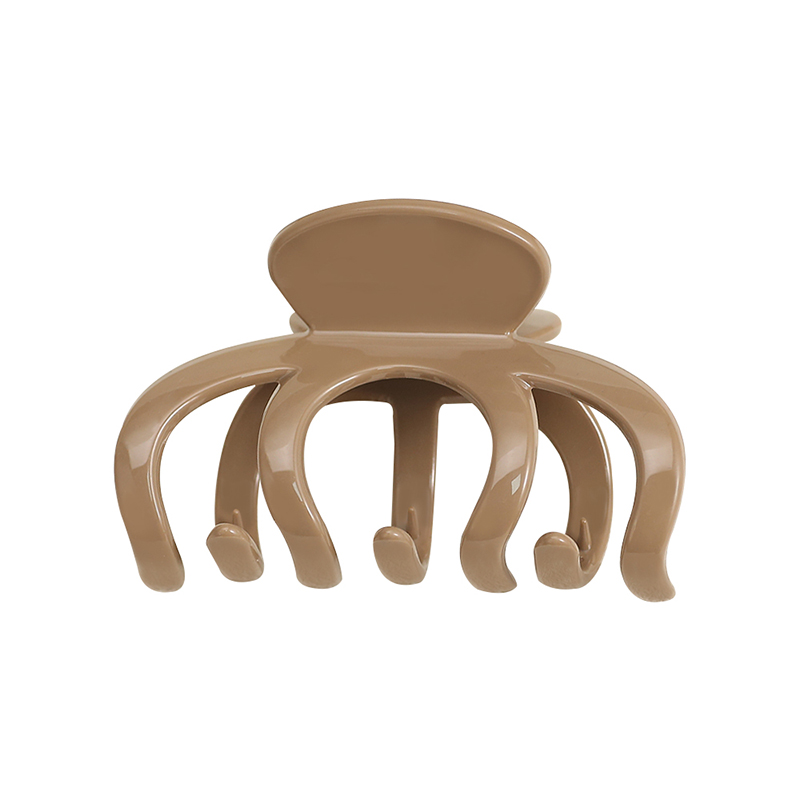
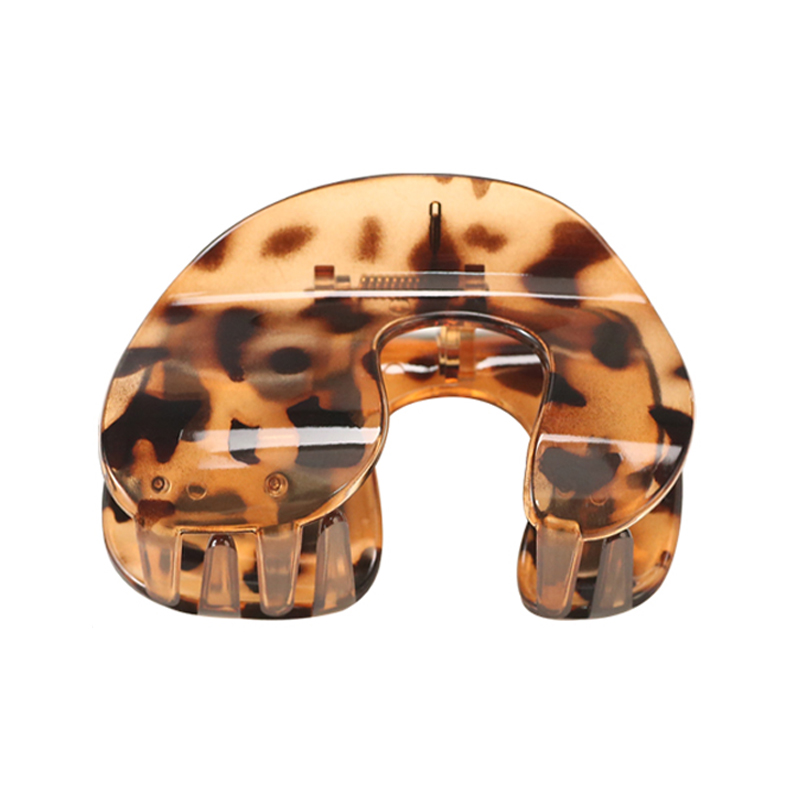
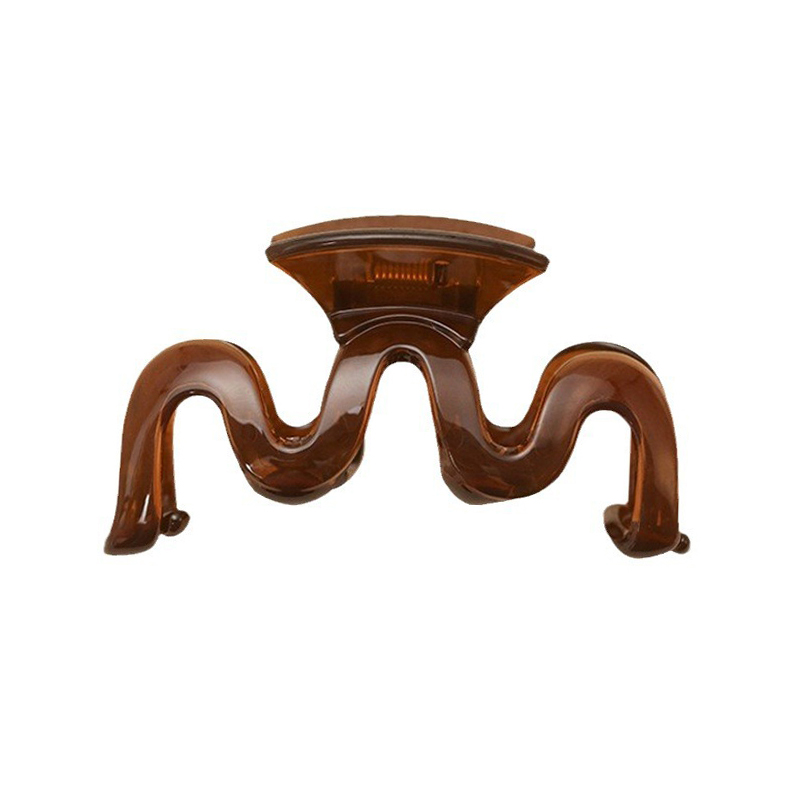
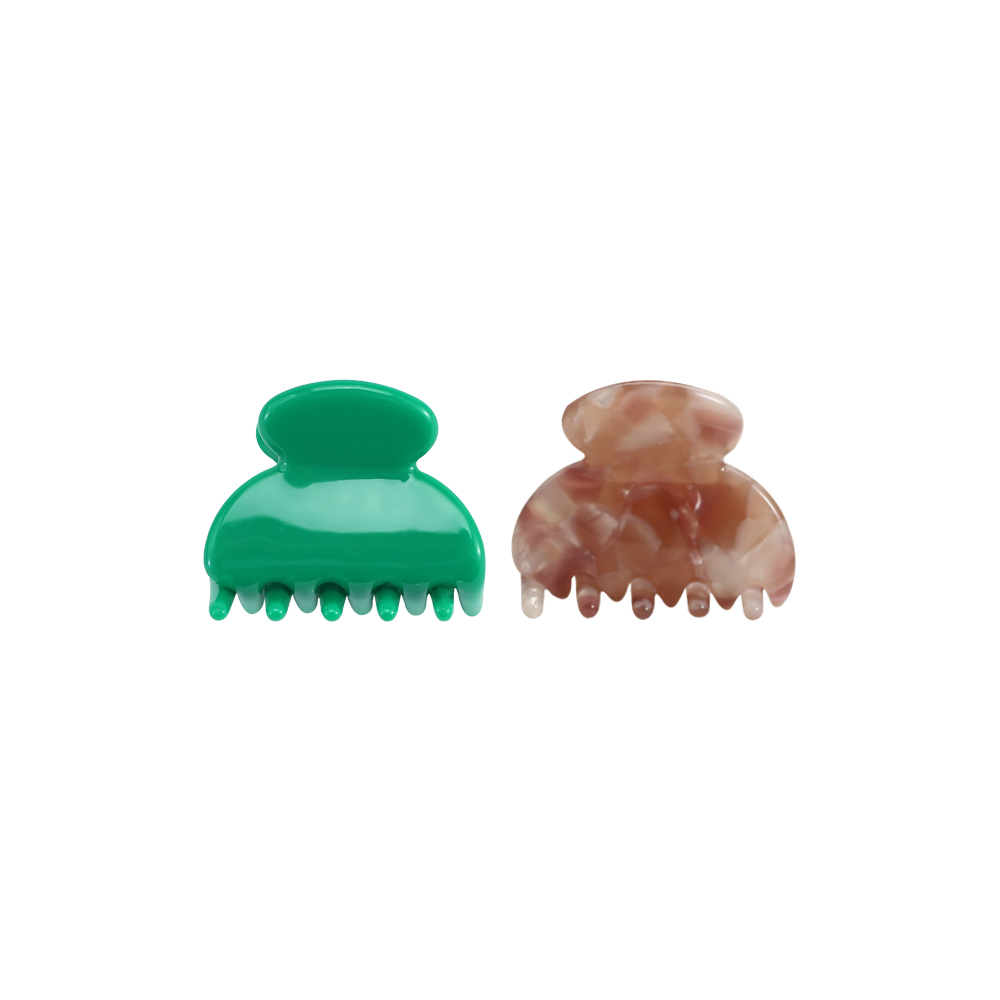
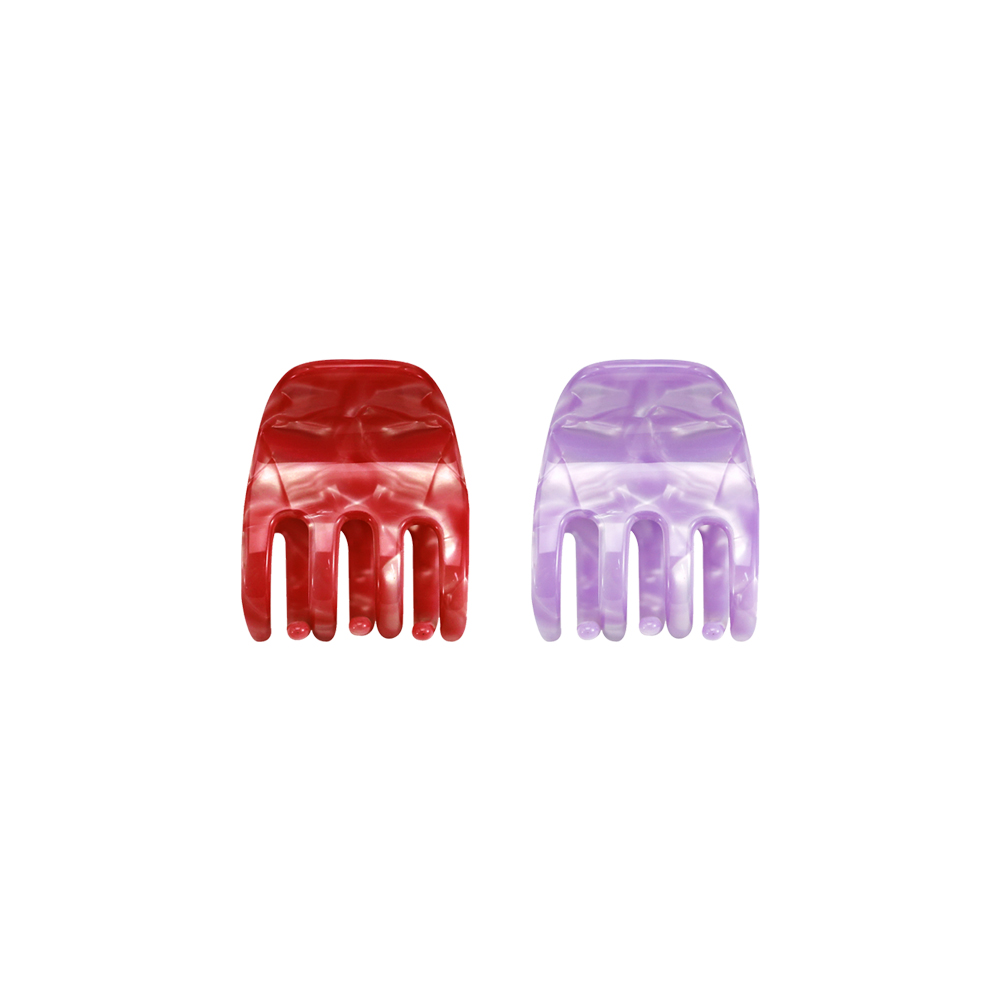
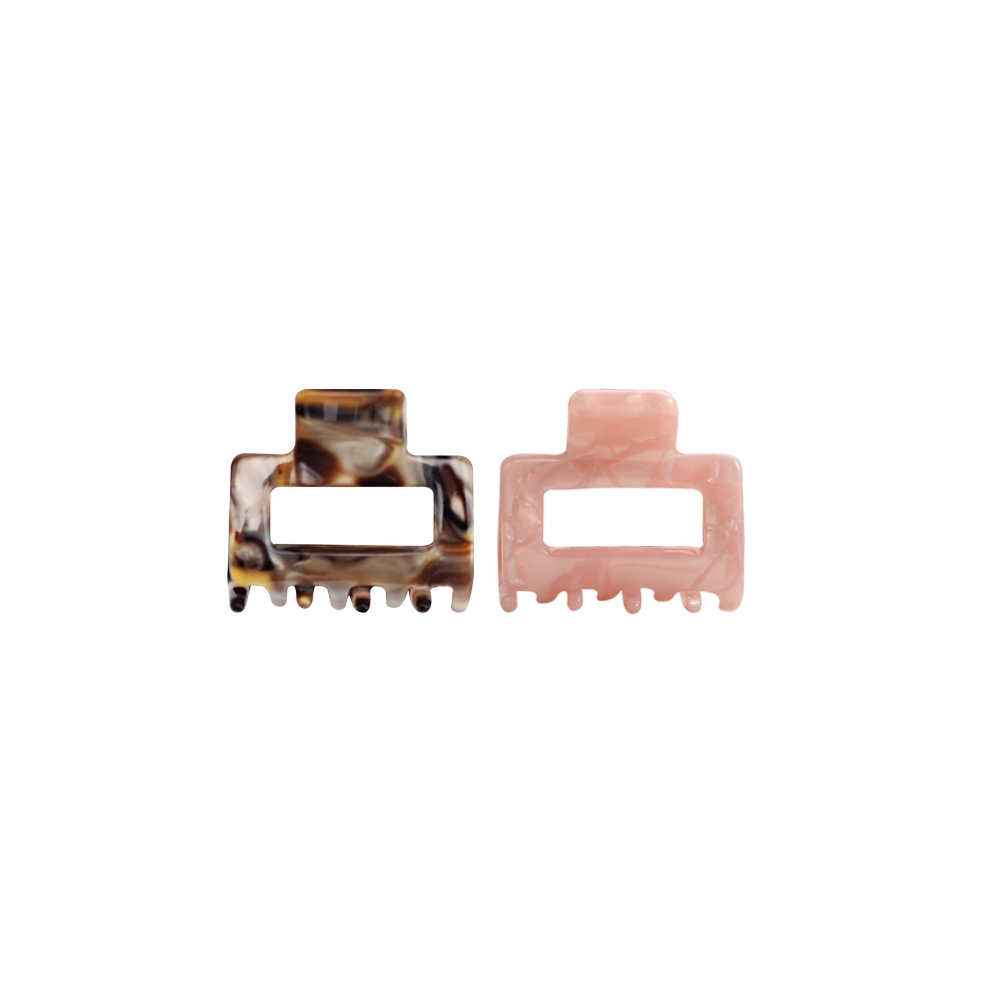
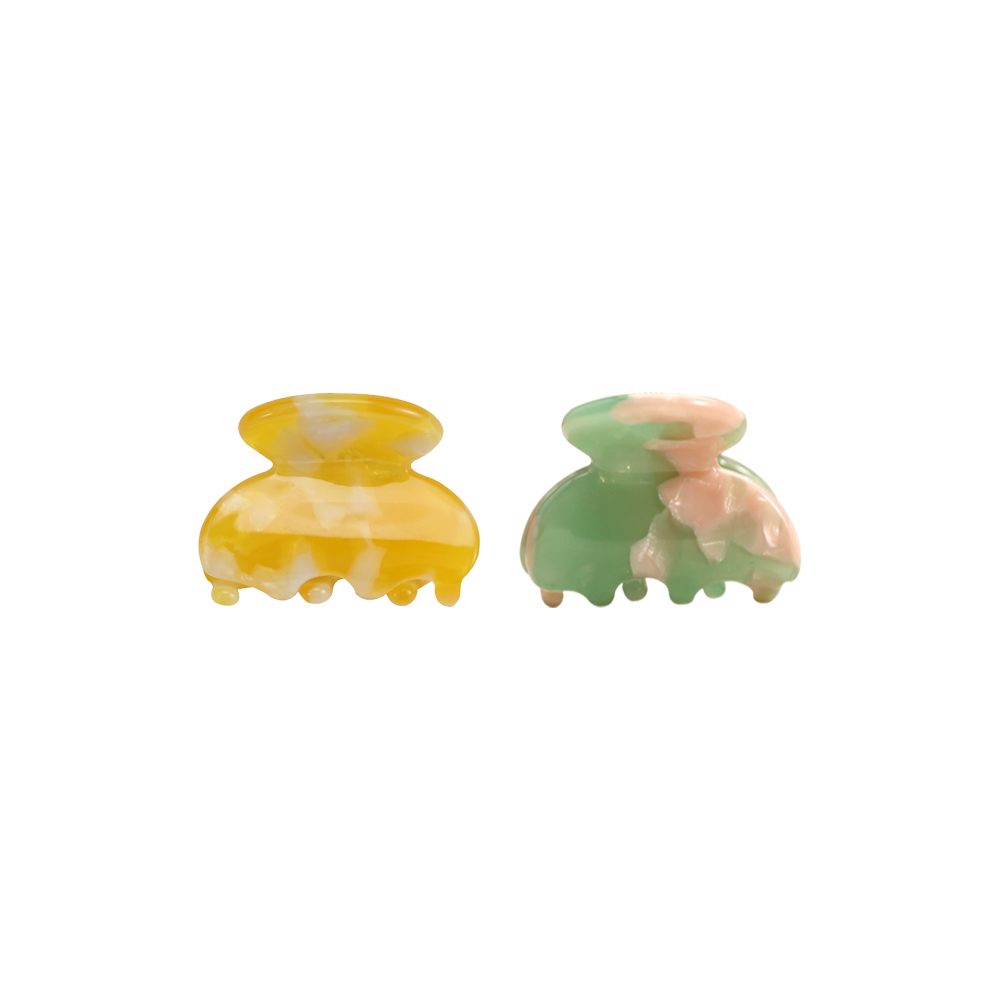
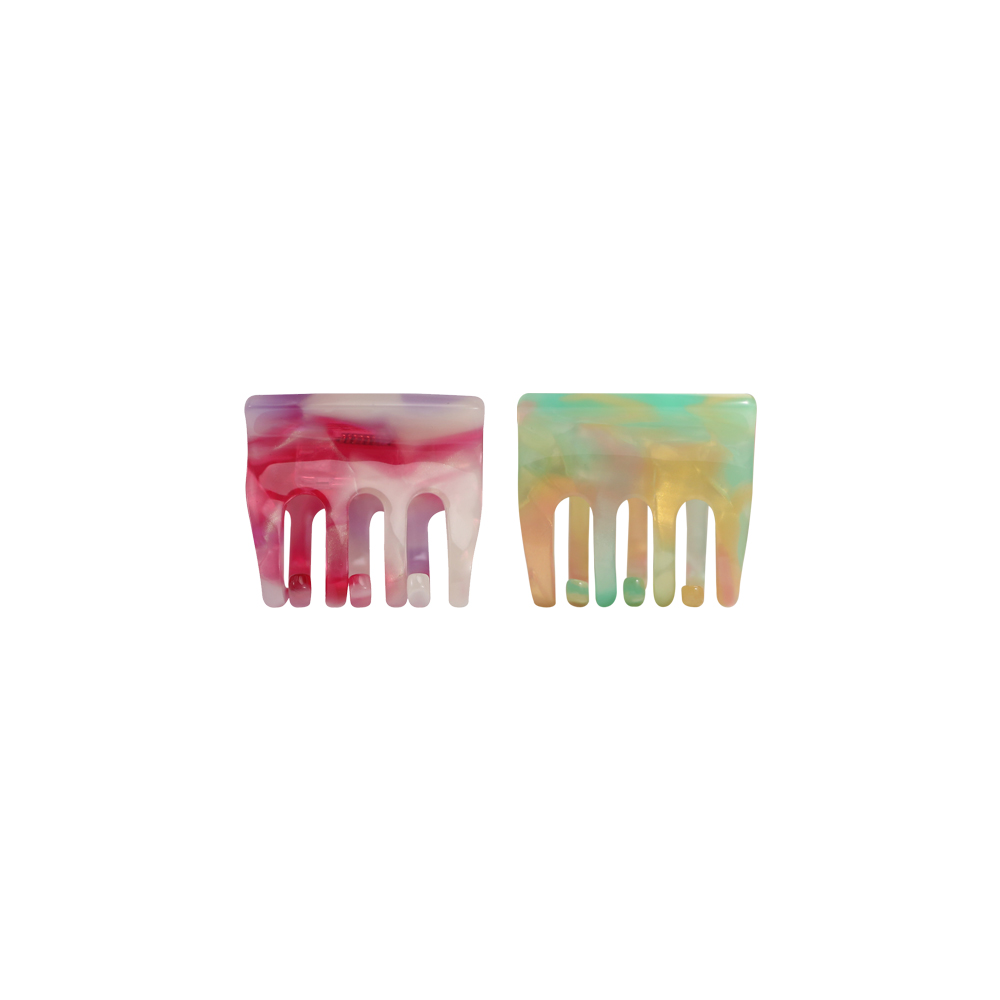
The demand for fashionable and durable hair accessories has encouraged many brands to cooperate with experienced Acetate Hair Claws Clips Manufacturer and Custom Hair Claws Clips Manufacturer to create products that balance beauty, comfort, and long-term use. Behind every polished hair clip is a series of detailed production and quality control processes that determine its final performance. Understanding how these manufacturers ensure consistent quality helps businesses and consumers make informed choices when selecting hair accessories for retail or personal use.
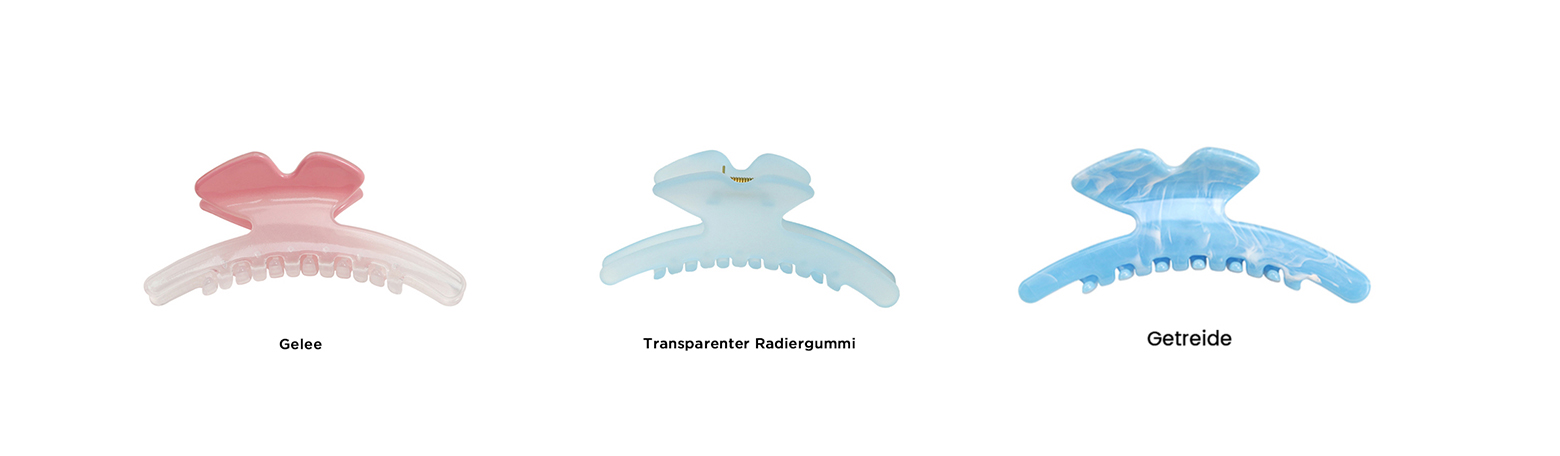
The process of manufacturing acetate hair claw clips begins with the careful selection of raw materials. Acetate, derived from natural cellulose, is chosen for its strength, flexibility, and glossy finish. Before production begins, manufacturers inspect acetate sheets to confirm their thickness, color consistency, and resistance to deformation. By rejecting uneven or brittle sheets at this stage, they ensure that only suitable materials move forward to the cutting process.
Many manufacturers use advanced cutting equipment such as CNC machines to achieve accurate shapes and consistent dimensions. This technology reduces variation between clips, ensuring that each piece meets design requirements. At this point, any defective or warped parts are separated and recycled, preventing substandard products from reaching later stages of assembly.
After cutting, the acetate pieces undergo shaping through controlled heating and molding. Custom molds are designed according to ergonomic principles, ensuring that the clips fit comfortably in the hand and hold hair securely without applying excessive pressure. Each mold is regularly checked for wear, as even small imperfections can affect the final shape or surface texture.
Once the clips have taken their form, polishing becomes a critical step. Skilled technicians use multiple polishing stages—ranging from coarse to fine—to remove sharp edges and produce a smooth, glossy finish. The goal is not just visual appeal but also functionality: a polished surface prevents hair from snagging and enhances the comfort of daily use. Quality inspectors test random samples to confirm that no rough or uneven sections remain before moving to assembly.
During assembly, components such as high-tension springs are fitted into the molded acetate shells. The spring quality determines how smoothly the clip opens and closes, as well as how firmly it holds hair in place. Each spring’s tension is measured to ensure consistency across batches. Some manufacturers conduct manual testing for every unit, pressing and releasing the clip multiple times to verify that it functions smoothly.
To improve durability, the connection points between acetate and metal parts are reinforced using specialized bonding methods that resist daily wear. After assembly, clips may be coated with water-based paint or protective layers to maintain their color and resist surface scratching.
For businesses seeking branding opportunities, working with a Custom Hair Claws Clips Manufacturer allows more flexibility in color, pattern, and logo design. Customization often starts with a digital prototype where design details such as size, finish, and placement of brand marks are reviewed and adjusted. Manufacturers keep detailed records of every custom project to ensure consistent reproduction in future orders.
Surface decoration techniques like marbling, translucent layering, or printed motifs are applied under controlled temperature and humidity to prevent warping or fading. Manufacturers also provide packaging customization to align with retail requirements—ranging from minimal eco-friendly pouches to printed display boxes. These tailored options give brands a way to match their target market while maintaining consistent quality standards.
Before packaging, every finished acetate hair claw clip passes through several quality inspection points. Technicians evaluate factors such as spring resilience, color uniformity, and assembly precision. Many factories also perform stress and fatigue tests, simulating repeated use to assess whether the clip maintains its grip strength over time.
Surface testing includes visual inspection under strong lighting to identify micro-scratches or color irregularities. Any defective clips are removed from the batch to maintain consistent output. In addition, temperature and humidity tests may be conducted to ensure the clips retain their structure and gloss under varying conditions, especially for products exported to regions with extreme climates.
Once the clips are approved, they are cleaned and dried to remove any residue before being carefully packaged. Each size and color variation is labeled for easy inventory management. During packaging, foam inserts or plastic trays are used to prevent scratching during transport. Proper labeling of carton weight, item code, and batch number helps maintain traceability throughout the supply chain.
For international shipments, manufacturers often provide moisture-proof or temperature-resistant packaging to preserve the integrity of acetate materials during transit. This attention to detail ensures that products arrive in good condition and ready for immediate retail display.

 +86-15988514911
 [email protected]
 3/F, Building 4, No.2289, Xuefeng West Road, Chengxi Industrial District, Yiwu 322000, Zhejiang Province, China.
Custom Stylish Hair Accessories


 English
 Español
 Deutsch