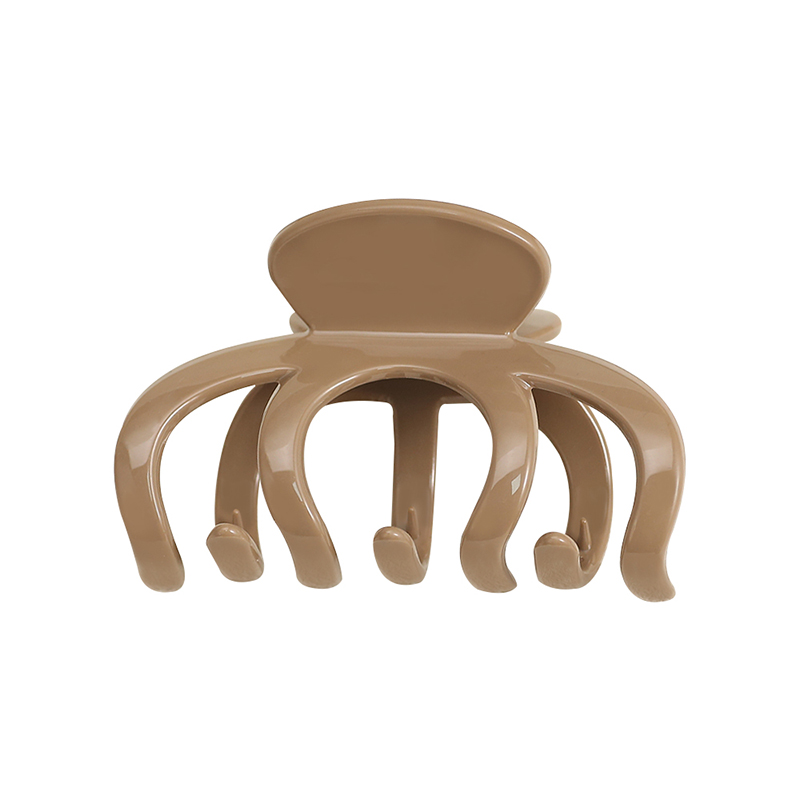
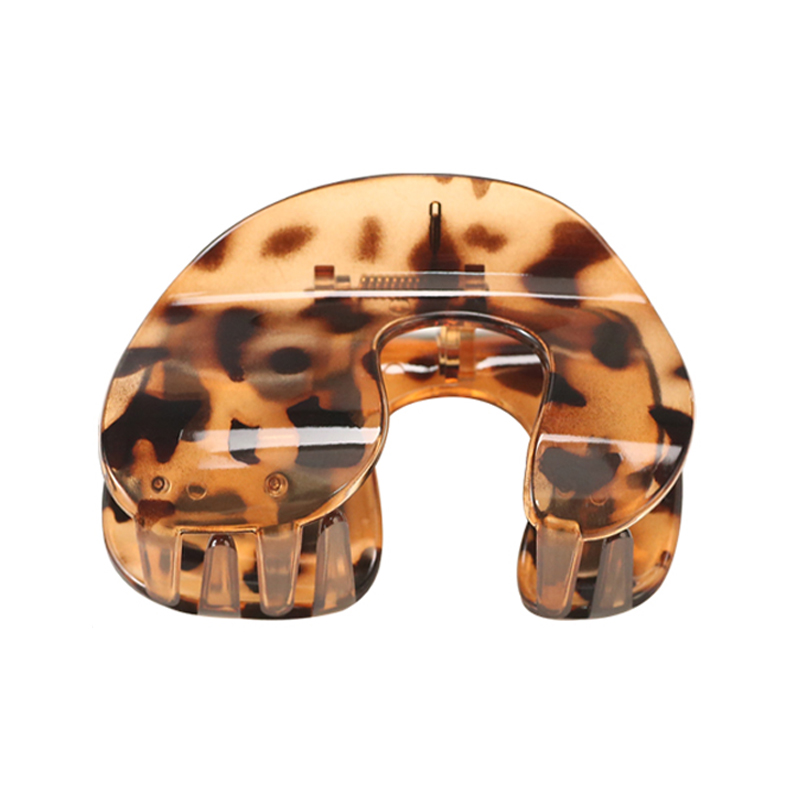
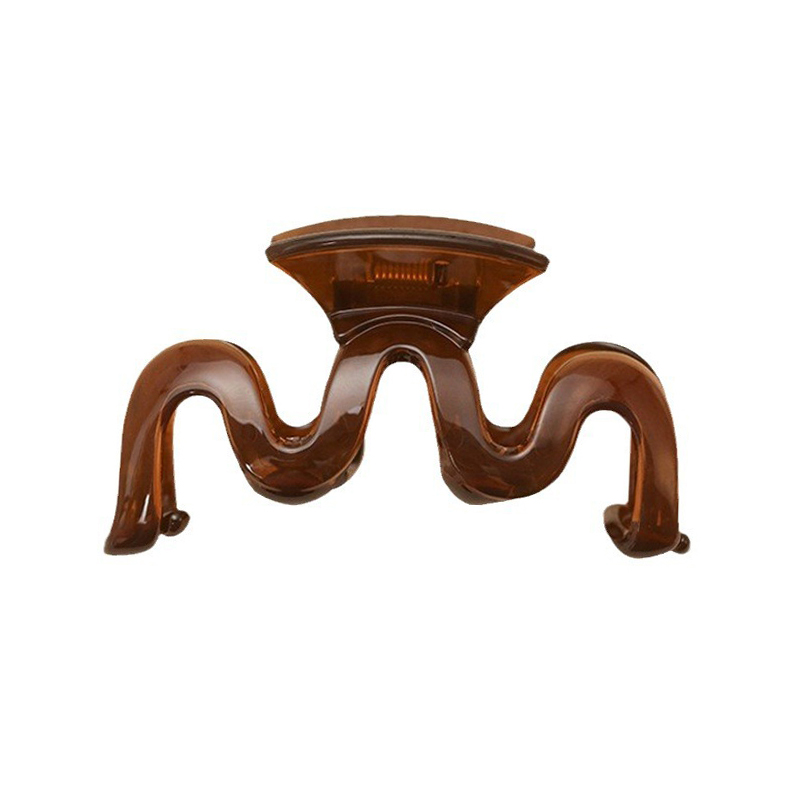
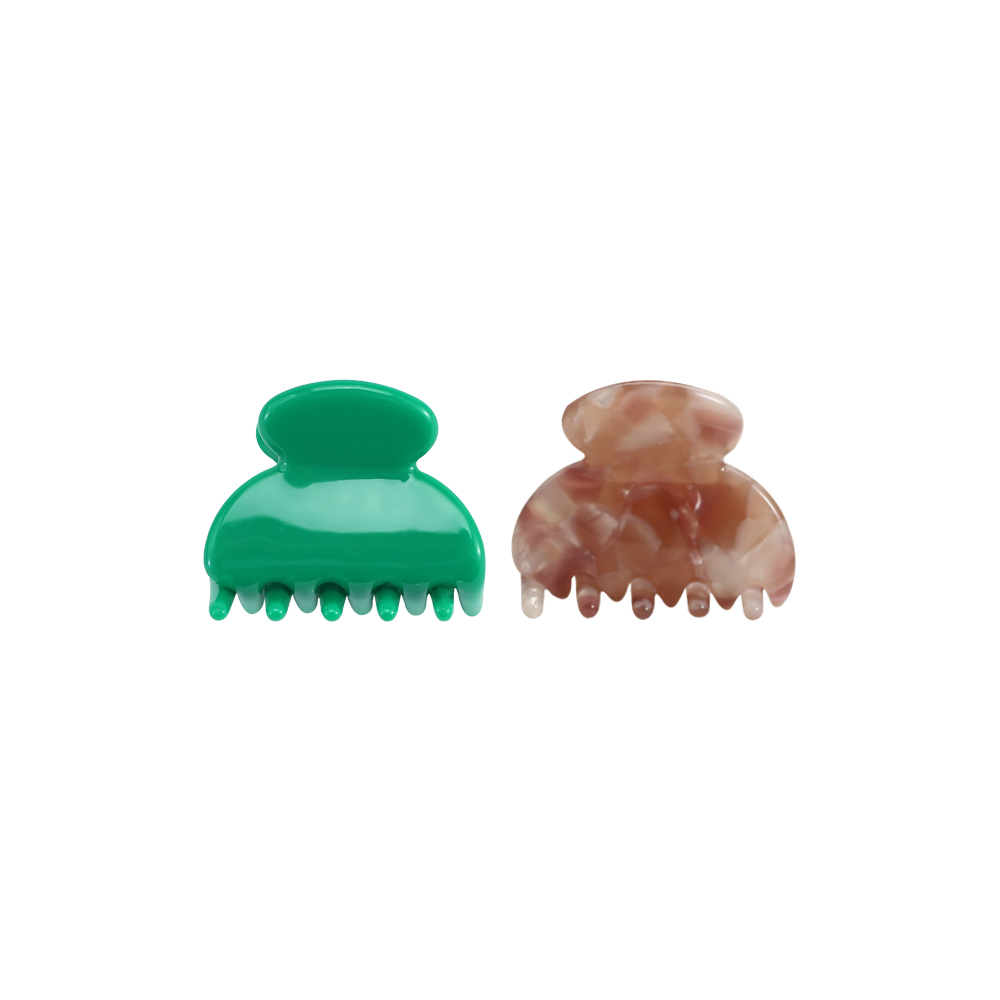
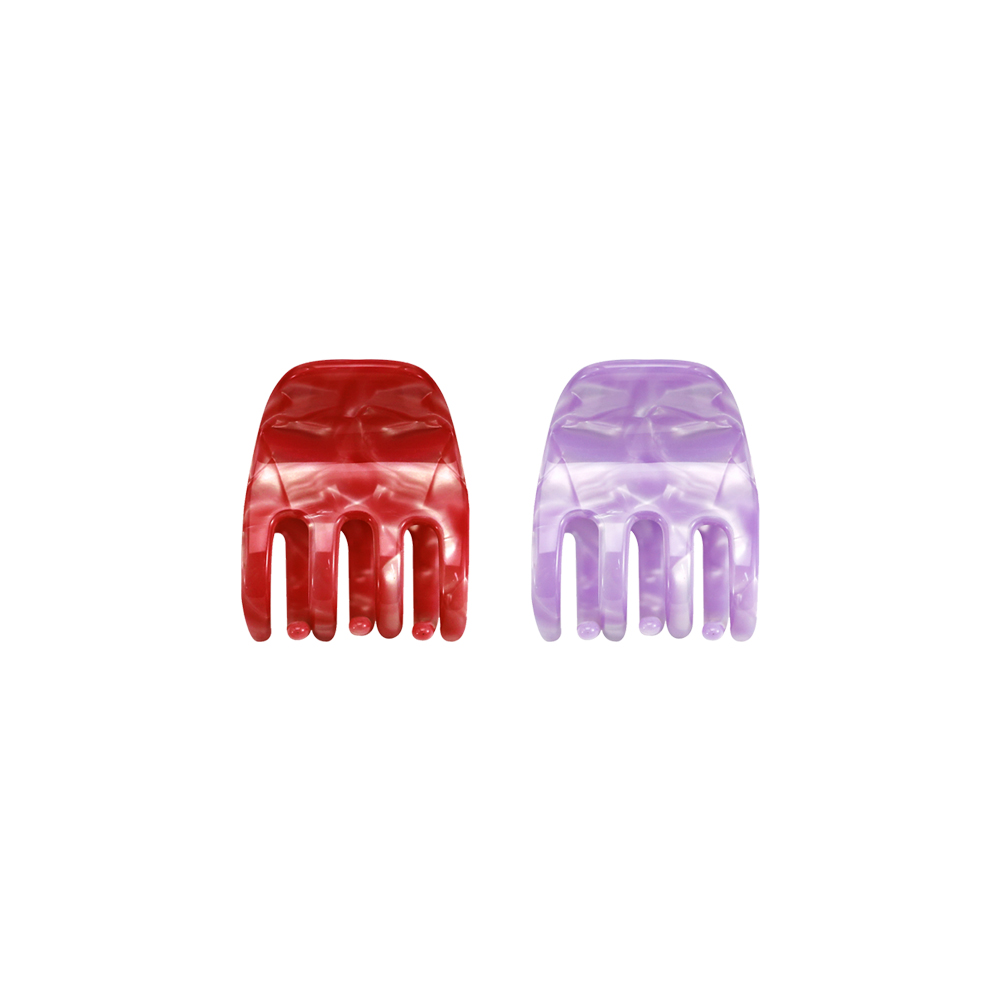
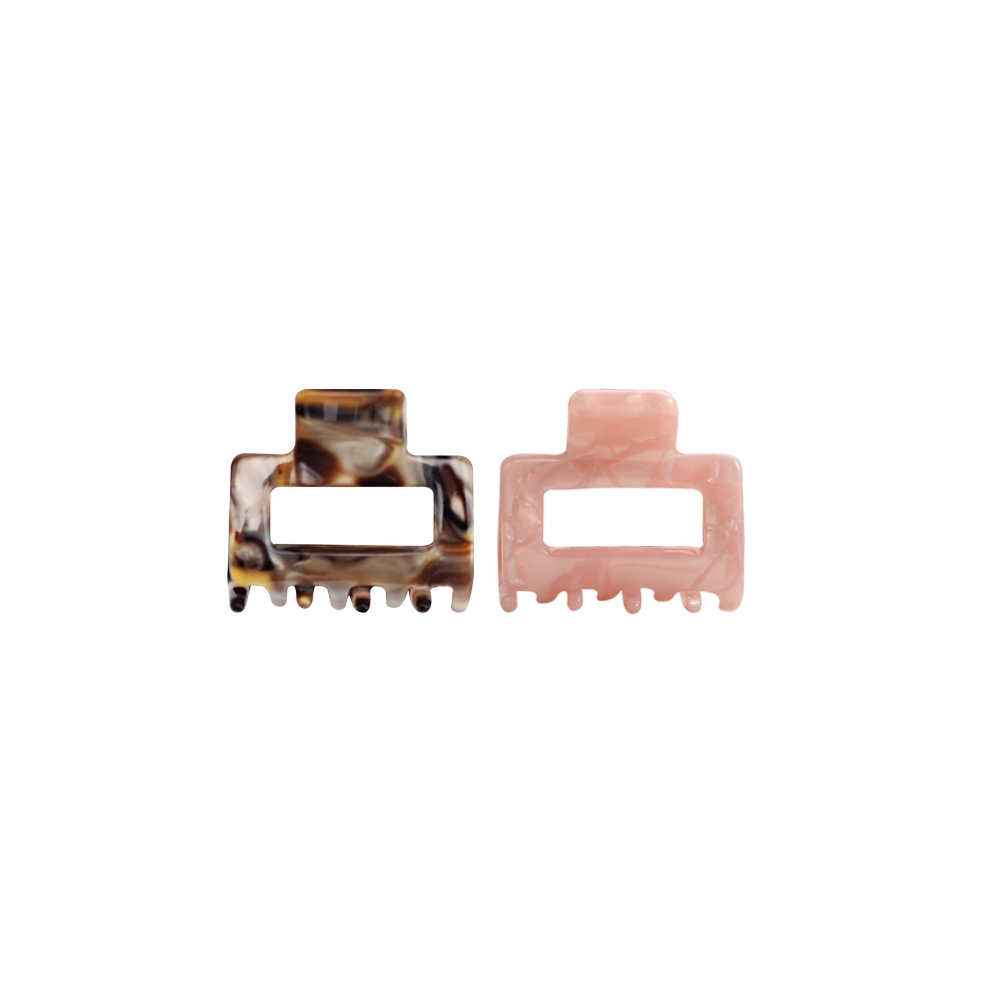
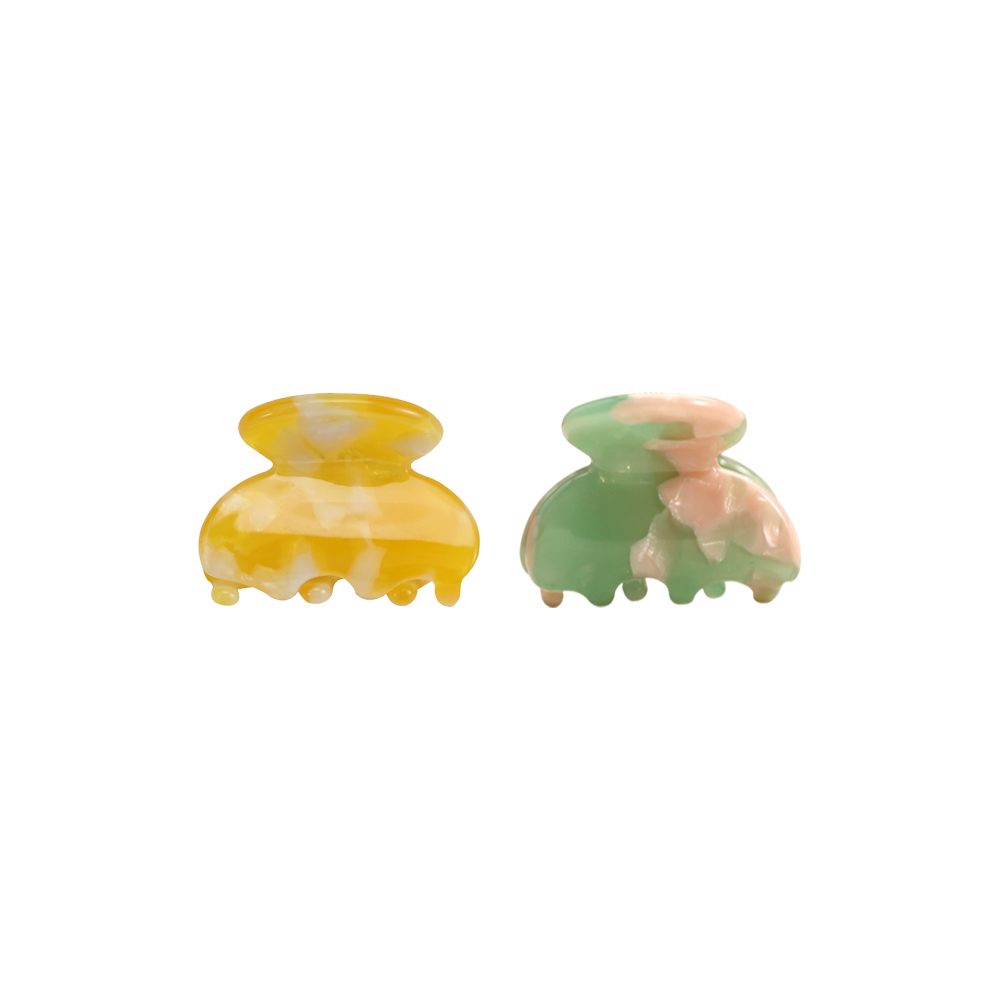
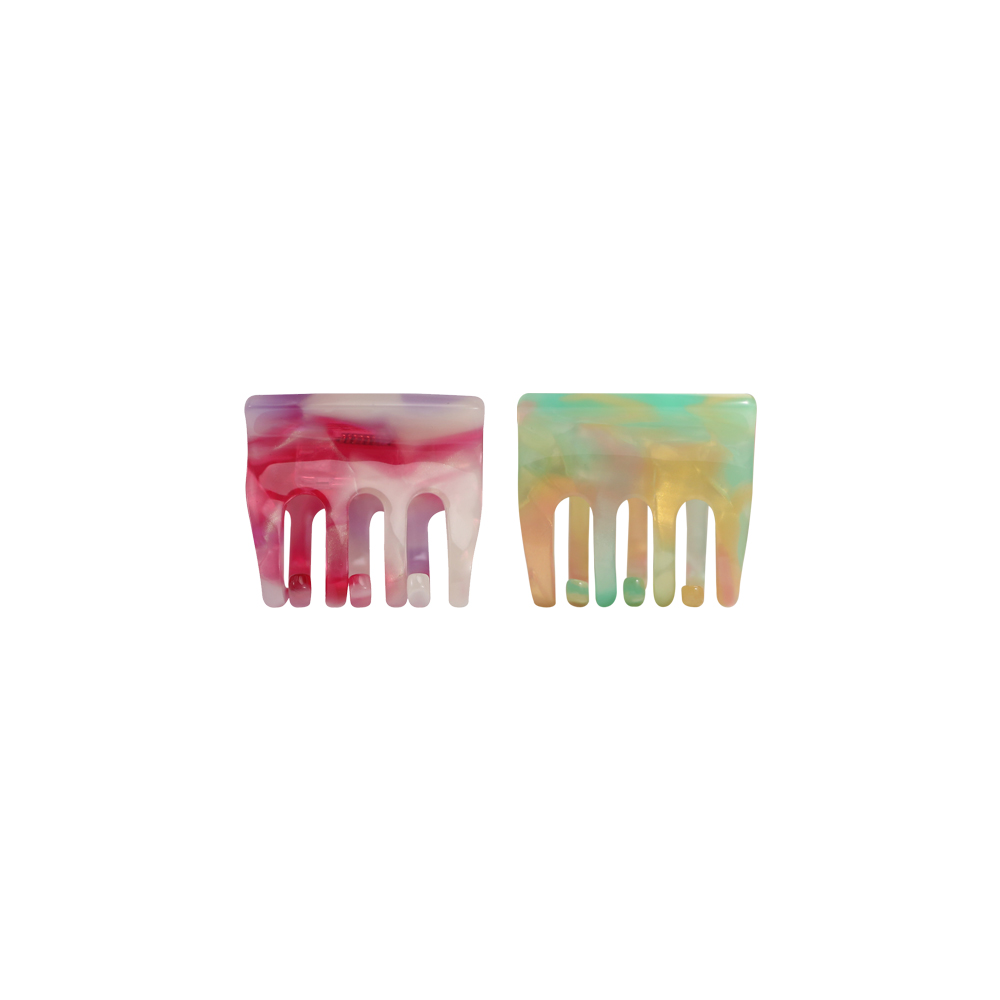
Hair styling often involves managing volume, texture, and movement in a way that suits individual preferences and occasions. Products from a Plastic Hair Claws Clips Factory and an Acetate Hair Claws Clips Manufacturer provide a range of solutions that address these styling considerations. By understanding how these clips interact with different hair types and styles, users can select options that simplify daily routines and support a variety of looks.
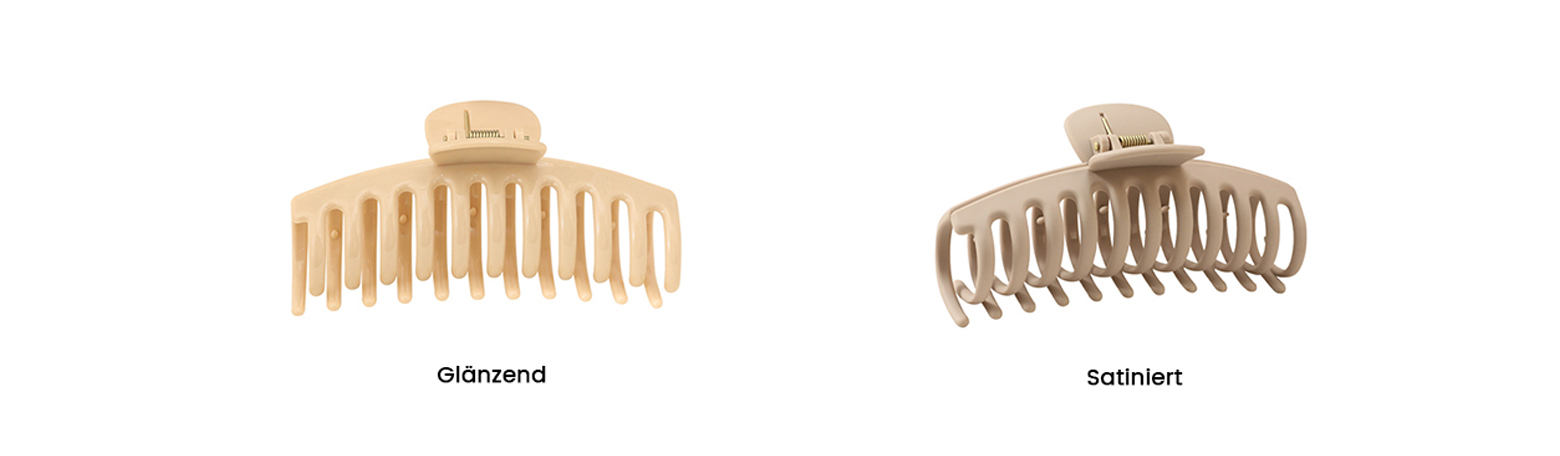
One common challenge in hairstyling is dealing with varying hair lengths and thicknesses. Large clips from plastic or acetate materials can hold long or dense hair, allowing users to gather it into updos or bun styles without needing multiple accessories. Medium-sized clips help manage hair of moderate length or thickness, offering support for half-up styles or layered arrangements. Small clips are suitable for shorter hair or for securing sections such as bangs, side strands, or intricate patterns within a larger style.
Fine or smooth hair often poses challenges for holding clips in place, as the strands may slip from traditional accessories. Plastic clips, particularly those made from polycarbonate or ABS, provide a balance of surface friction and structural rigidity that helps keep hair in position. Acetate clips, with their polished surfaces and slightly heavier feel, add subtle stability that can assist in maintaining styles with less frequent adjustment.
The design of the clip teeth also contributes to handling these hair types. Wider spacing allows for gentle yet secure grip, while narrower teeth provide additional support for smaller sections. Understanding these variations allows users to select the right clip for fine or slippery hair without resorting to excessive pins or ties.
Styling challenges often arise when creating layered or intricate arrangements. Hair claws can hold multiple sections together, allowing for controlled shaping and a more organized structure. For example, a large clip can secure a main bun while smaller clips hold surrounding sections or decorative twists. This segmentation helps maintain clean lines and prevents loose strands from interfering with the intended design.
Boutique or decorative clips from acetate manufacturers can also contribute to layered styles by combining visual elements with functional holding. Patterns, transparency, or subtle color variations allow users to coordinate multiple clips without overwhelming the overall look.
Everyday activities, physical exercise, or outdoor exposure often cause hair to shift or become messy. Clips from a Plastic Hair Claws Clips Factory are designed to maintain grip during typical movements without requiring constant readjustment. Lighter plastic clips are suitable for casual daily routines, while heavier acetate clips may provide additional hold for more active situations.
Selecting clips that correspond to activity type helps users maintain desired styles. The tension in the spring and the arrangement of teeth can be adjusted to provide moderate support without applying excessive pressure on the scalp, allowing for a comfortable fit during extended wear.
Curly, wavy, or textured hair presents another styling challenge, as strands can catch or expand unpredictably. Clips with wider or rounded teeth accommodate curls without flattening or causing breakage. Plastic and acetate materials provide smooth surfaces that reduce snagging, allowing users to manage textured hair in a controlled manner.
Having a variety of clip shapes and materials available in a collection helps users adapt to the natural characteristics of their hair. Multiple clips can be used in combination to hold complex styles, secure layers, or adjust volume without overcomplicating the process.
Understanding the functions and limitations of each clip type can simplify daily hair management. Users may consider hair length, density, texture, and activity level when selecting a clip. For example, a medium plastic clip can support a casual half-up style for medium-length hair, while a larger acetate clip may hold a bun for longer hair during travel or outdoor activity.
Awareness of material and design helps avoid common issues such as slipping, excessive pressure on the scalp, or difficulty removing clips from intricate styles. By selecting clips that correspond to specific styling challenges, users can maintain their preferred look with minimal adjustments.
Combining clips from plastic and acetate sources allows for additional flexibility. Plastic clips can handle practical holding for everyday styles, while acetate clips add decorative or supportive elements in layered arrangements. This combination supports a broader range of styling possibilities without requiring numerous accessory types.

 +86-15988514911
 [email protected]
 3/F, Building 4, No.2289, Xuefeng West Road, Chengxi Industrial District, Yiwu 322000, Zhejiang Province, China.
Custom Stylish Hair Accessories


 English
 Español
 Deutsch