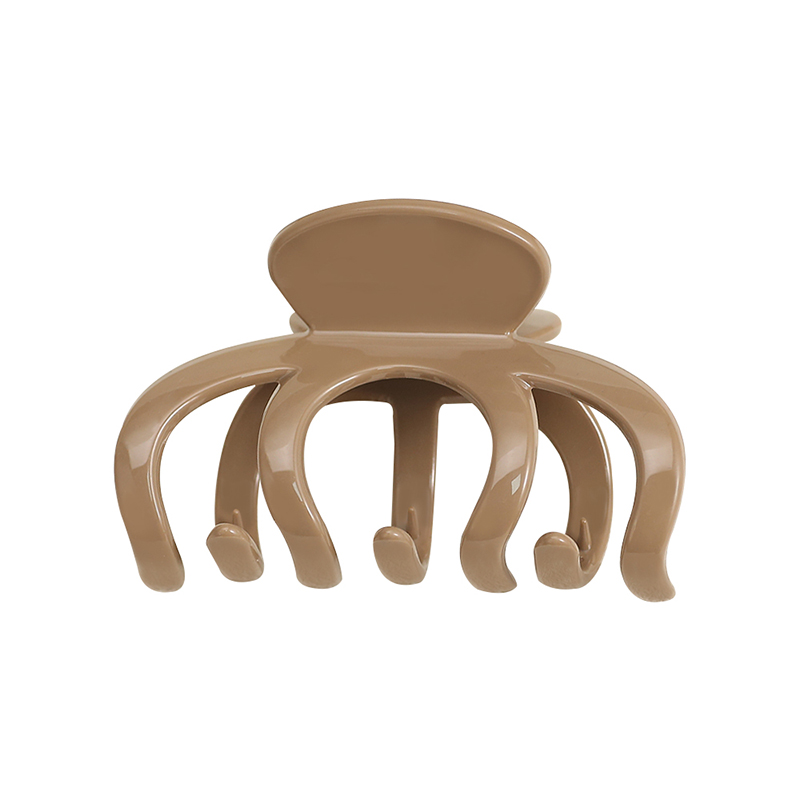
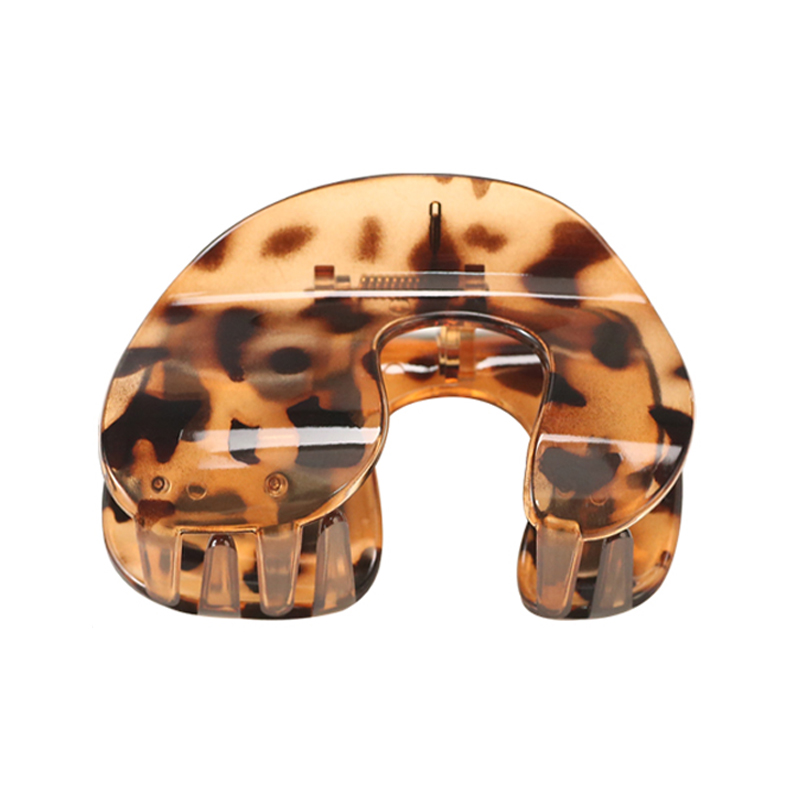
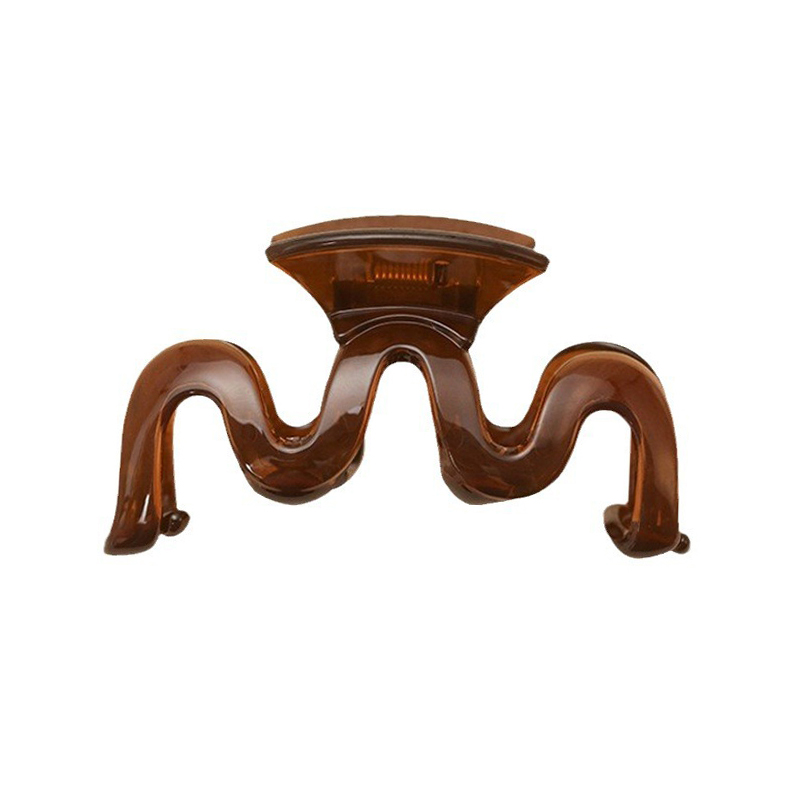
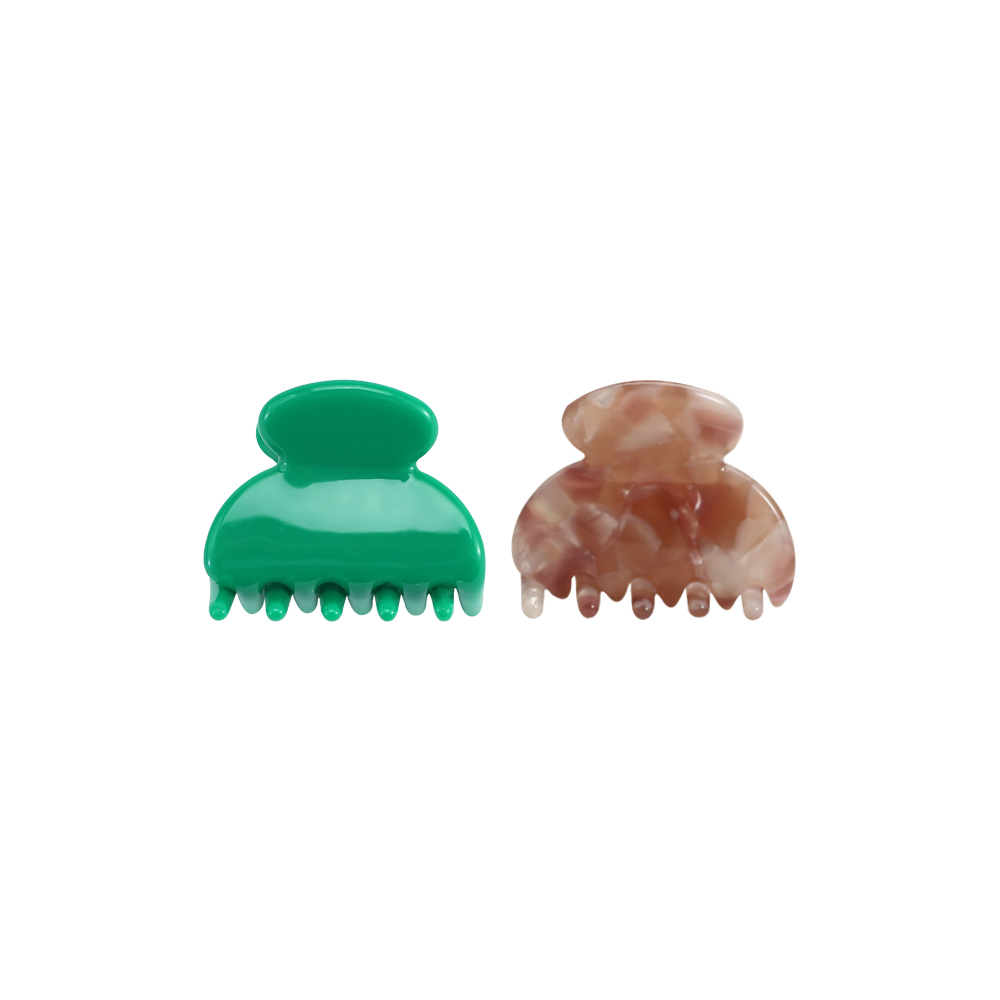
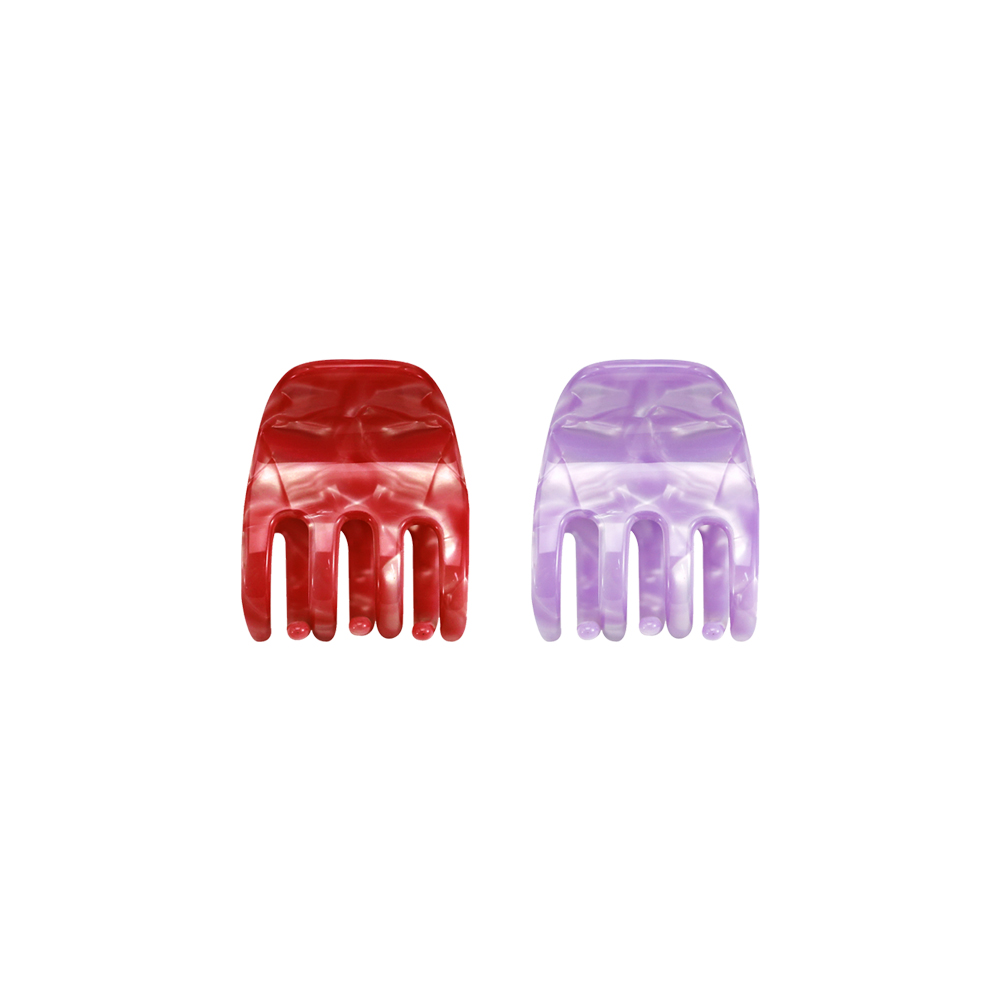
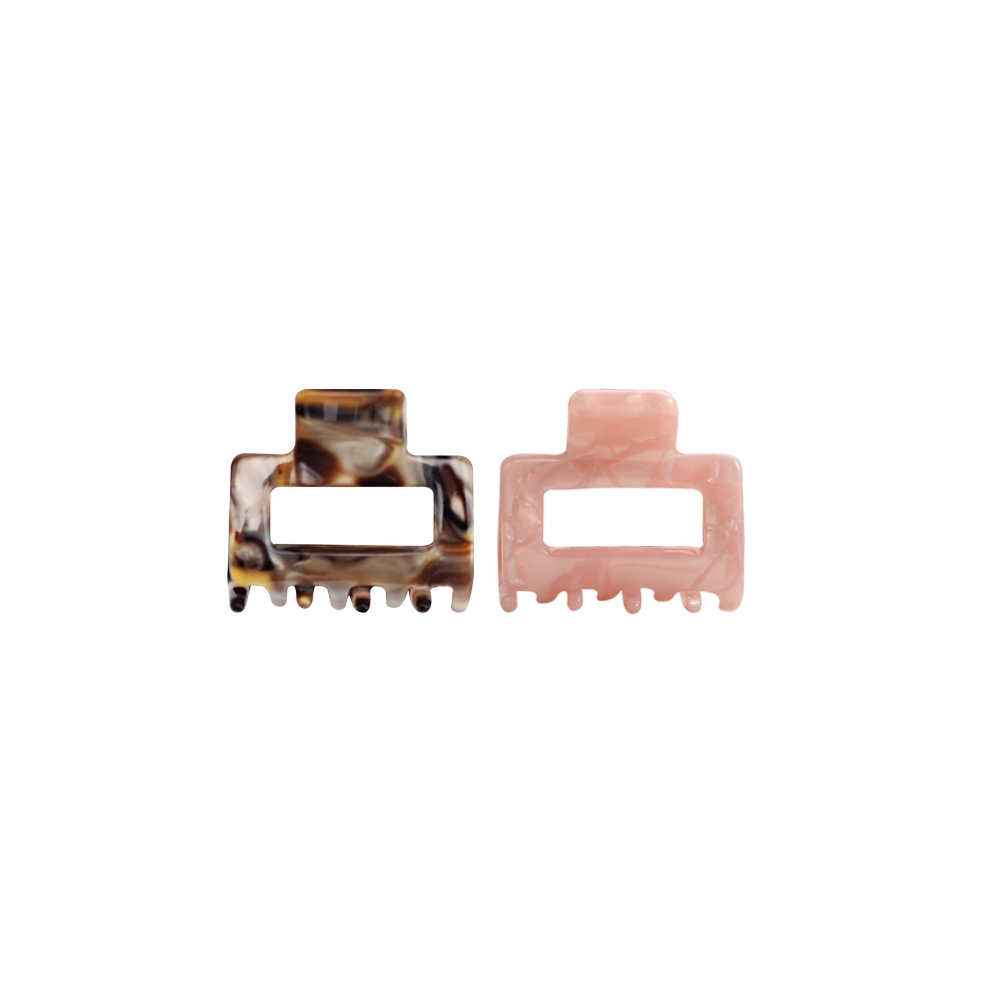
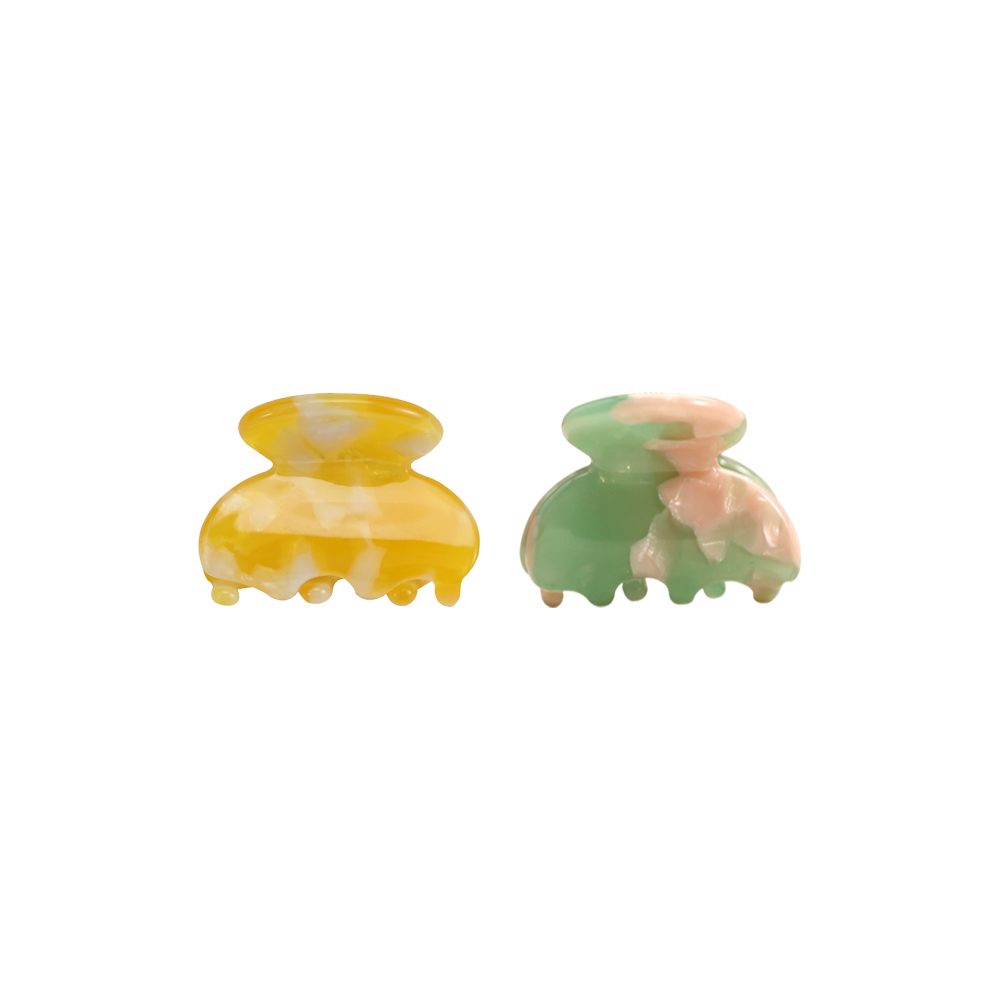
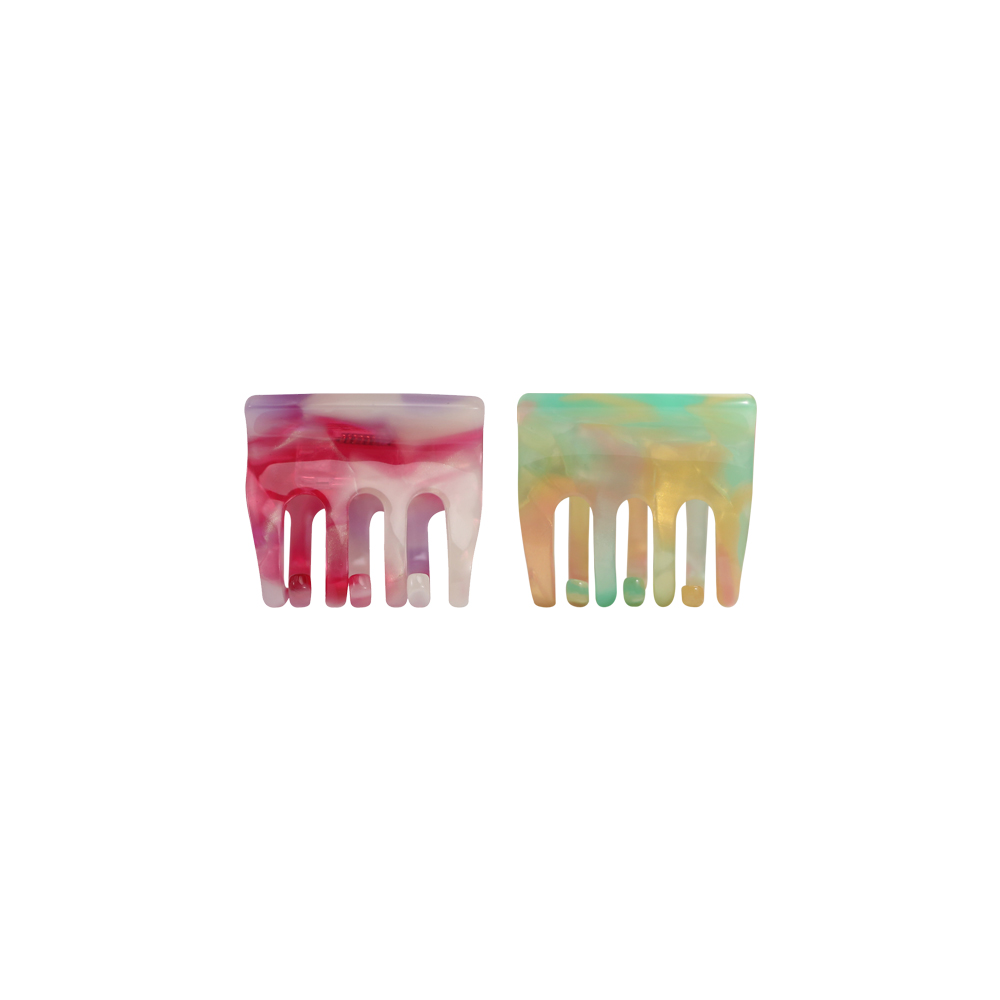
Hair accessories play a key role in everyday styling, and understanding the features that contribute to their versatility can help users make informed choices. Products from a Plastic Hair Claws Clips Factory and an Acetate Hair Claws Clips Manufacturer offer a range of options suitable for different hair types and styling situations. These clips are designed to balance practical functionality with visual appeal, catering to daily use as well as occasional styling needs.
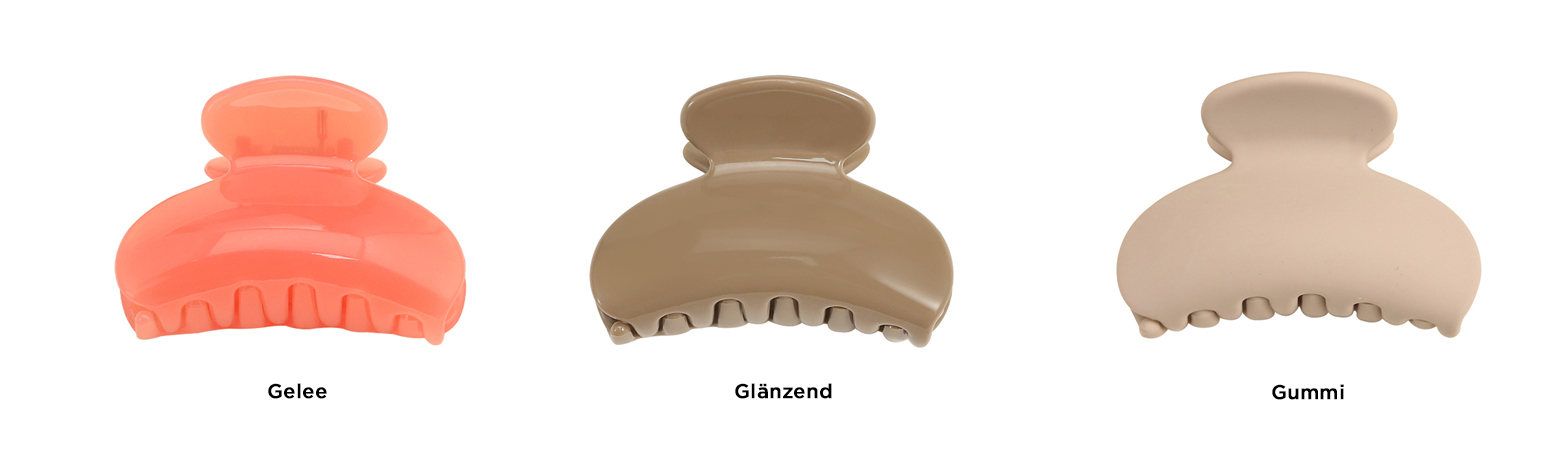
One aspect that contributes to the versatility of hair claws is the availability of multiple sizes. Large clips, typically over 10cm, can hold longer or thicker hair, providing stable support for updos or bun styles. Medium-sized clips, between 6 and 10cm, suit moderate hair volume and allow users to create half-up hairstyles or secure sections of hair. Small clips, under 6cm, work well with short hair or for adding subtle accents to more detailed hairstyles. The variety of shapes, from wide-toothed to narrow-toothed designs, further accommodates different styling preferences and hair textures. Users can select a clip size and shape that aligns with their specific needs, making styling easier across various situations.
Plastic and acetate materials are commonly used by manufacturers in this field, each offering distinct handling characteristics. Polycarbonate (PC) is often chosen for its rigidity and durability, while PS and ABS plastics may be used to provide flexibility and cost-efficiency. Acetate, on the other hand, provides a smooth finish and a slightly heavier feel, which can contribute to a more secure hold.
The production process also affects the performance of these clips. Injection molding ensures consistent shape and thickness, allowing each clip to perform uniformly. Springs and hinges are installed with attention to tension levels, allowing the clip to open and close smoothly without putting excessive pressure on the hair. Coating or polishing processes, often using water-based paints, refine the appearance while protecting the surface, giving the clips a clean and uniform look.
Hair claws from these factories are designed with practical use in mind. For full updos, users can gather the hair into a bun and secure it with the clip from the bottom or side, achieving a stable style without excessive effort. For half-up or partial styles, the clip can hold only the upper sections of hair, providing structure without compressing the lower hair. Side styling is also an option, as the clip can sweep hair to one side for a more relaxed arrangement that complements facial features. The versatility lies in the ability of a single clip to adapt to multiple styling approaches.
The design considerations in these products make them suitable for a variety of occasions. For everyday activities such as commuting, attending classes, or casual outings, clips offer a convenient way to keep hair organized and away from the face. During physical activity or exercise, lightweight clips can hold hair in place without adding significant weight or pressure. For social events or gatherings, clips made from acetate often provide a refined appearance that blends with formal or semi-formal outfits, while still performing functional tasks such as holding hair securely. This combination of appearance and practical handling contributes to the clips’ utility across different environments.
Customization is another factor that enhances versatility. Many manufacturers provide options to adjust colors, finishes, and logo placement. Packaging can also be tailored to meet retail or gift purposes. In some cases, alternative spring tension or hinge styles are available to suit specific hair textures or user preferences. Such options allow individuals or businesses to select or modify products that match their particular needs, whether for personal use or retail distribution.
Consistent performance is supported by quality checks during production. Color uniformity, grip reliability, and surface smoothness are examined to ensure each clip meets expected standards. The hinges and springs are tested for durability, and the finishing process ensures that clips maintain a polished surface without rough edges that could catch on hair. These inspections support a product that users can handle confidently and use repeatedly over time.
Understanding the features of these hair claws can guide users in choosing the right clip for their daily routines. Considering factors such as hair length, volume, activity level, and preferred styling method helps in selecting clips that will perform as intended. Users can also benefit from noting material differences, as the choice between plastic and acetate may affect grip strength, weight, and aesthetic qualities.

 +86-15988514911
 [email protected]
 3/F, Building 4, No.2289, Xuefeng West Road, Chengxi Industrial District, Yiwu 322000, Zhejiang Province, China.
Custom Stylish Hair Accessories


 English
 Español
 Deutsch