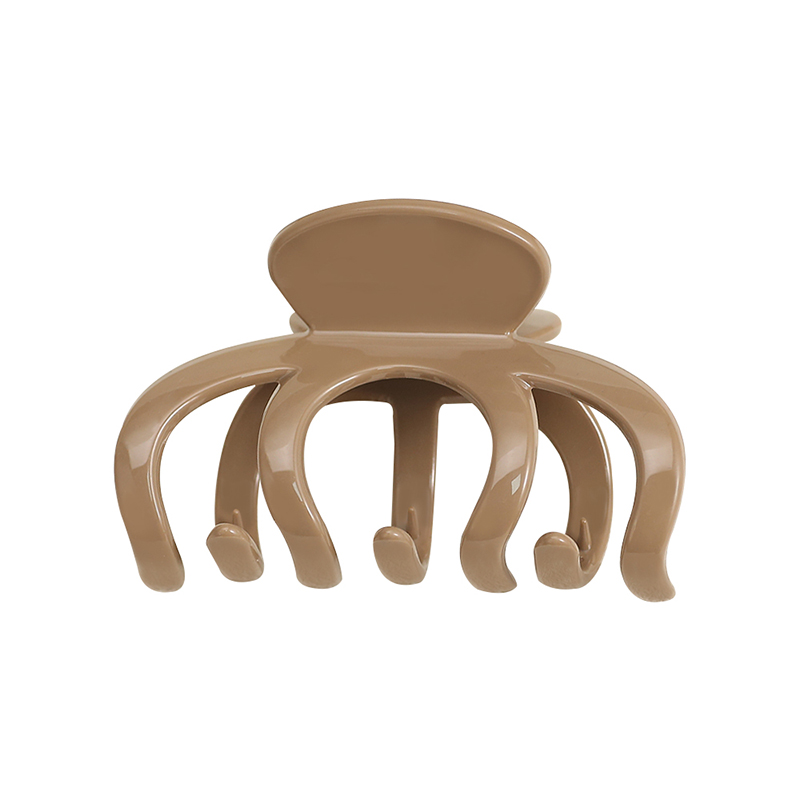
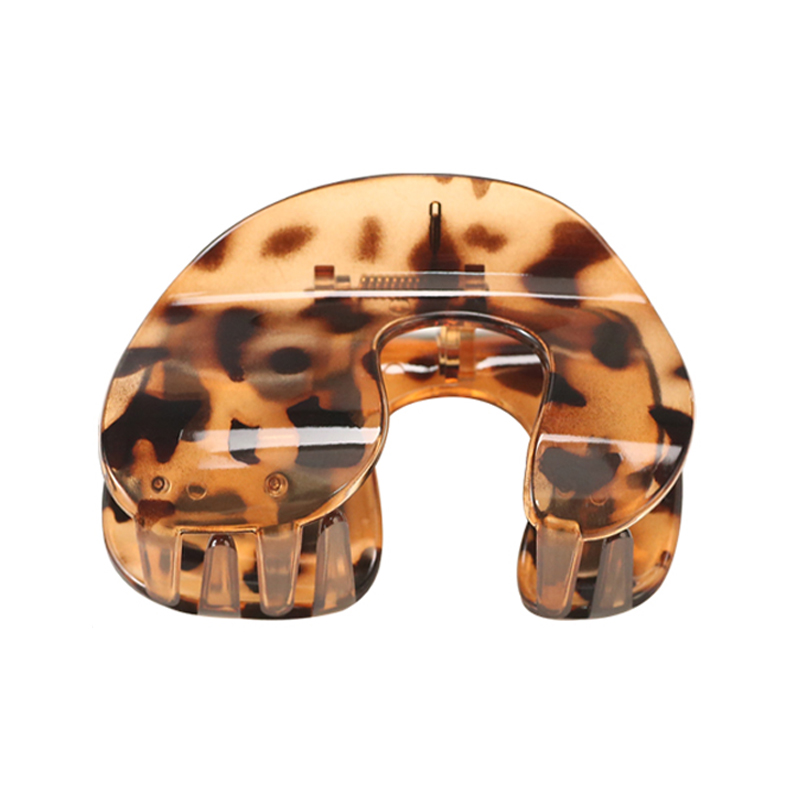
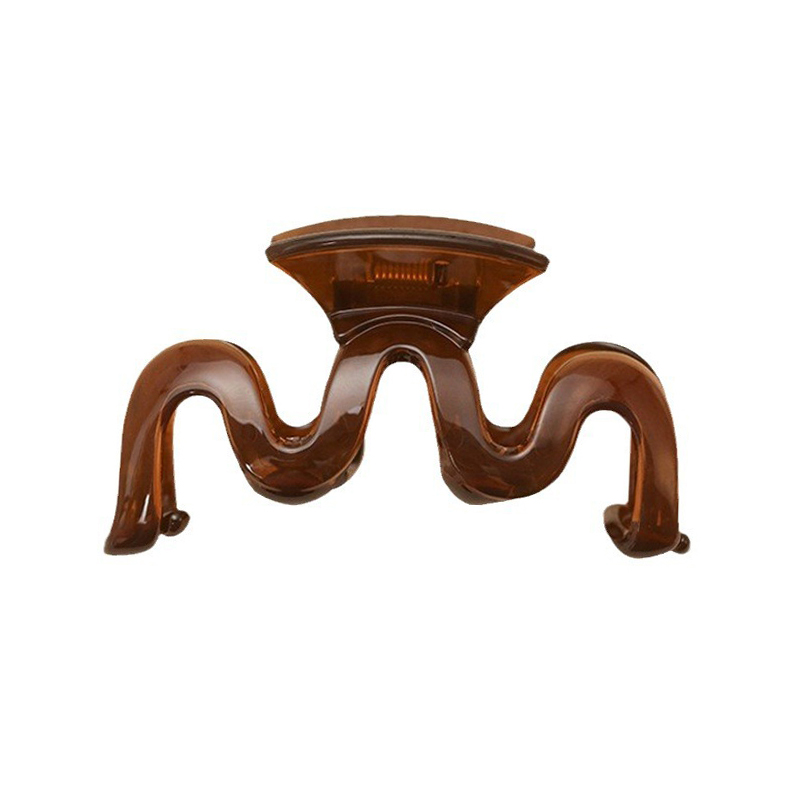
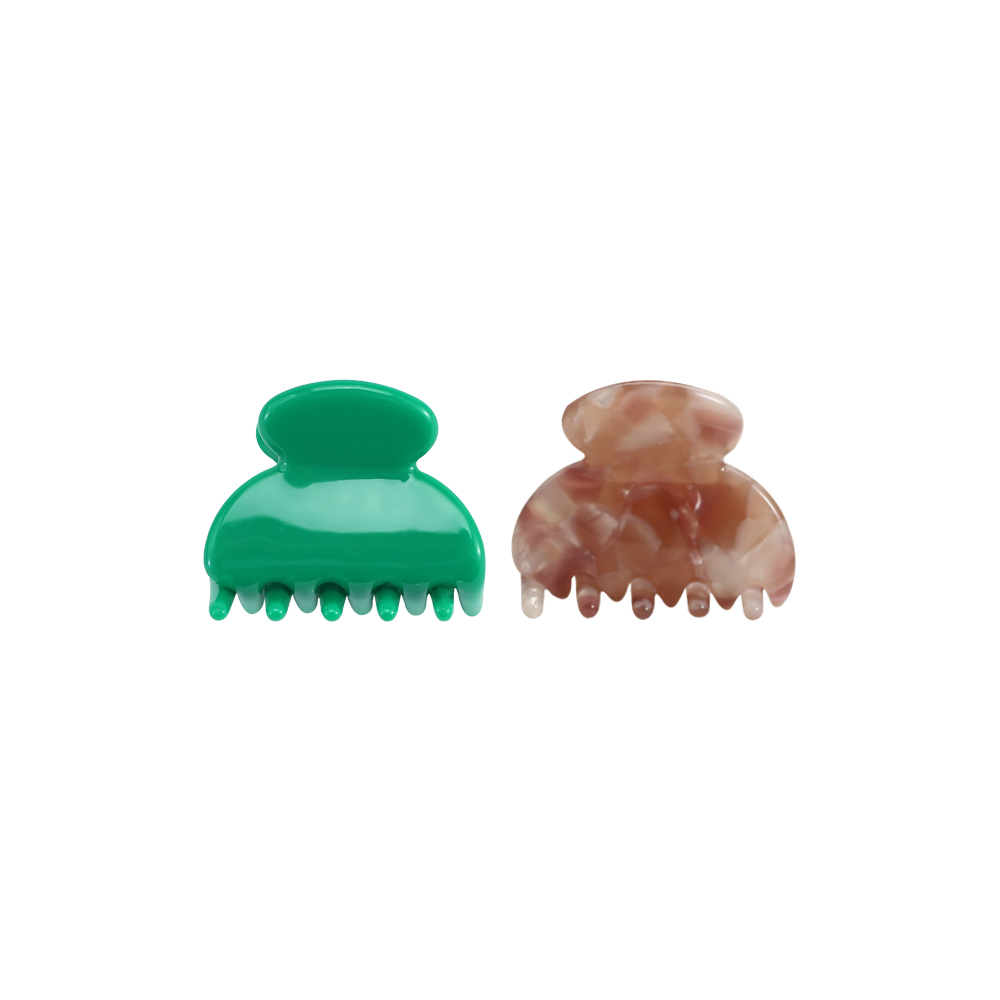
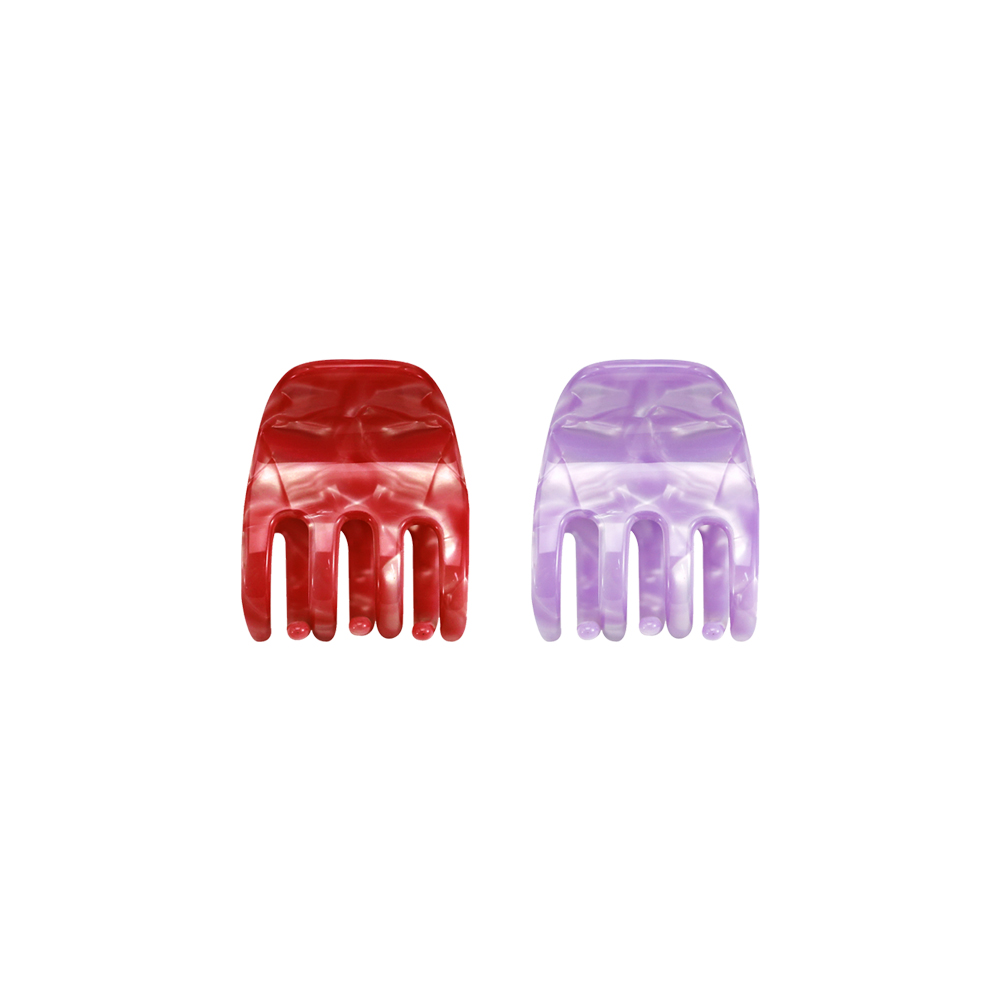
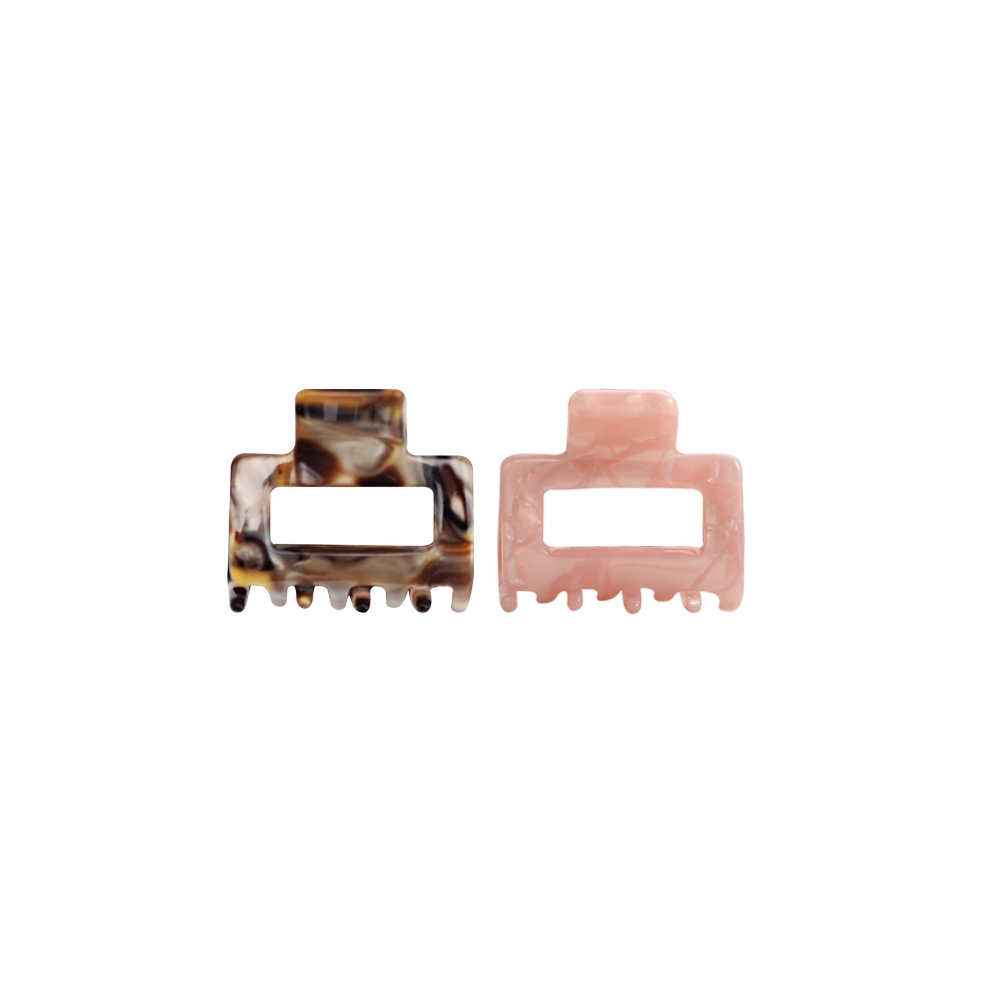
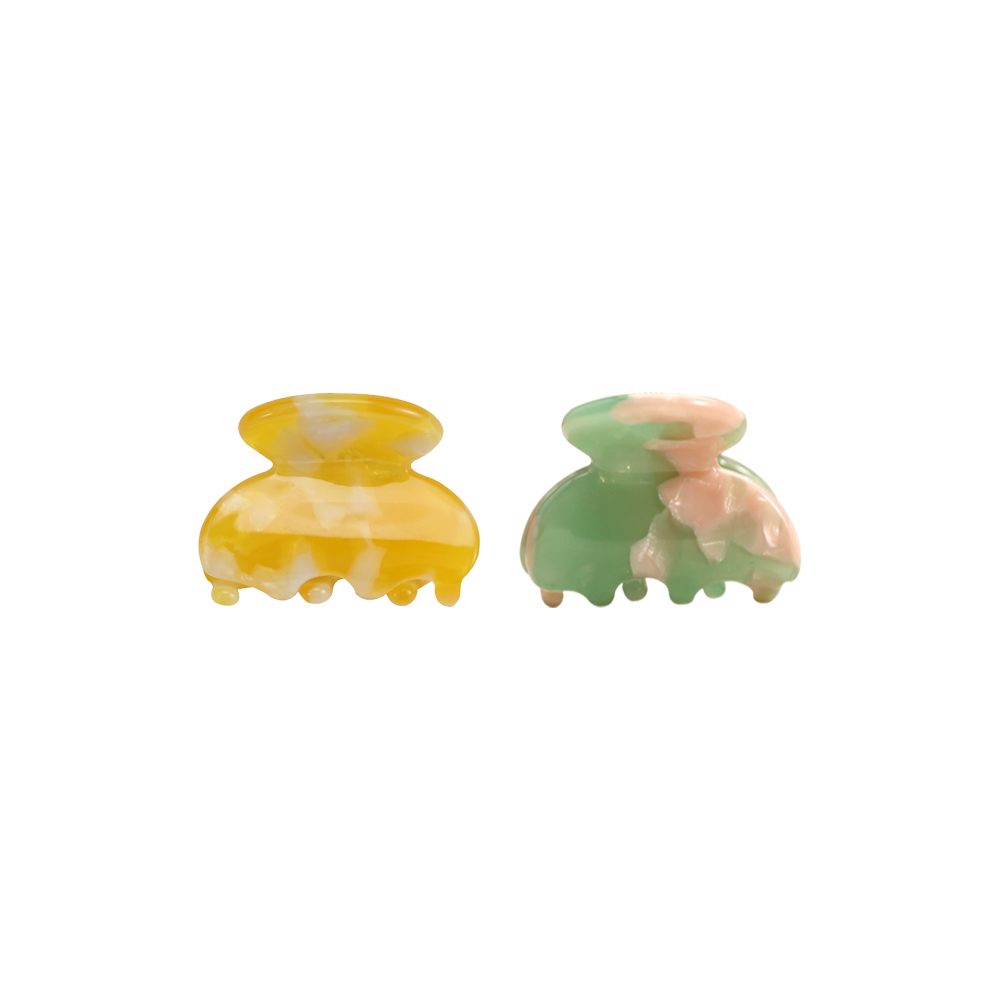
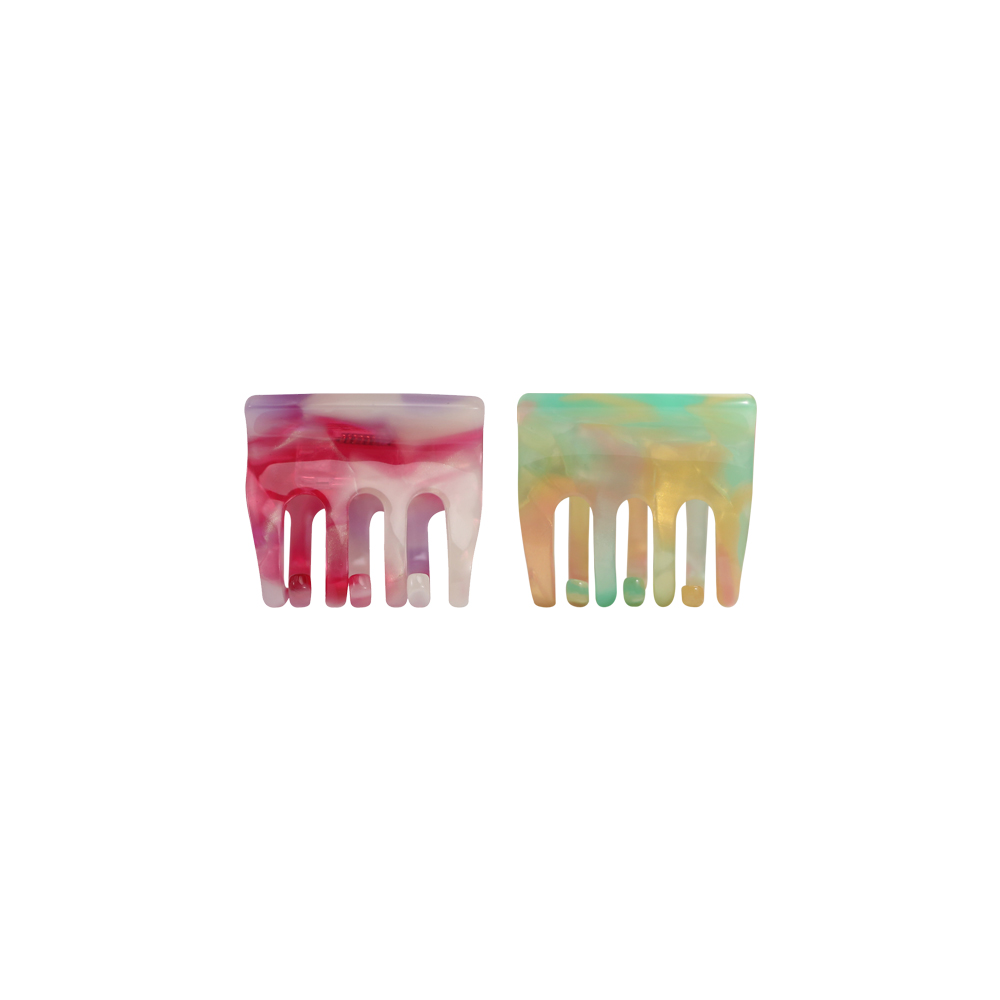
Managing hair efficiently during daily routines or physical activities often requires tools that adjust to different needs. Custom Hair Claws Clips Manufacturer and Injected Plastic Hair Claw Clip have been designed to provide this adaptability. Understanding the aspects that contribute to their flexibility can help users choose clips suited to various hair types, styles, and situations, ensuring that the accessory remains practical across multiple uses.
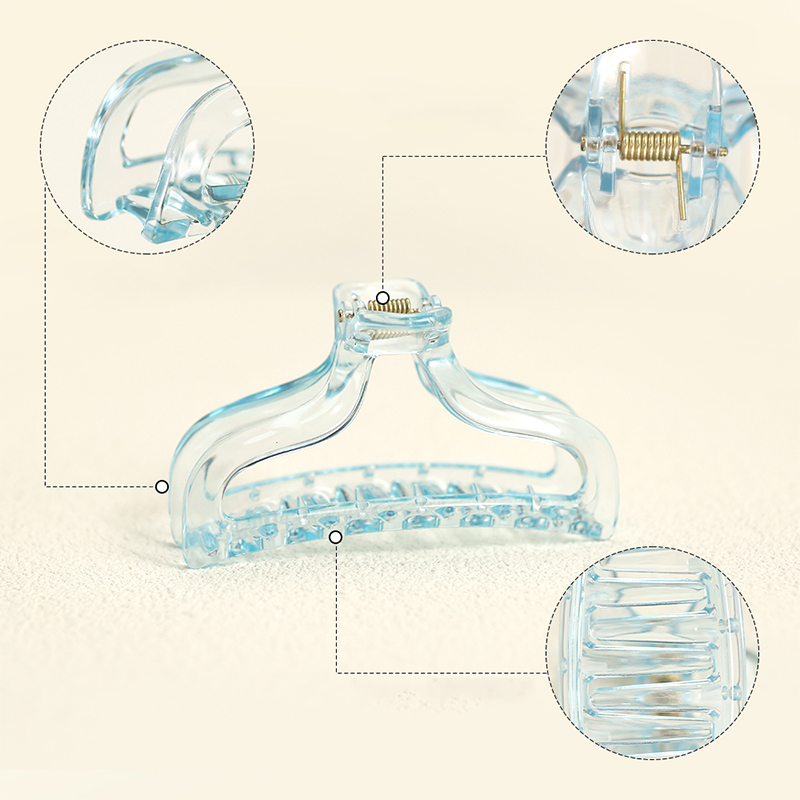
The flexibility of injected plastic hair claw clips starts with design. The overall shape and curvature of the clip are intended to follow the natural contour of the head, allowing the clip to hold hair securely without creating pressure points. Tooth spacing and length are calibrated to accommodate hair from thin and fine to thick and layered, while the spring mechanism provides controlled resistance, so the clip opens smoothly and closes firmly. Attention to these design details ensures that users can manage hair with minimal adjustments, whether for quick styling or longer-term wear throughout the day.
Injected plastic hair claw clips are made from polymers that combine resilience and flexibility. The material can bend slightly to accommodate larger hair sections while maintaining structural integrity, which reduces the likelihood of cracking or losing shape over time. Smooth surfaces and rounded edges further prevent hair from snagging or tangling, adding to the functional adaptability of the clip. For individuals who frequently switch between hairstyles or manage varying hair textures, these features provide a level of consistency that allows the clip to perform similarly under different conditions.
Several practical aspects affect how a hair claw clip can adjust to user needs. These include the size of the clip, the strength of the spring, and the length and alignment of the teeth. Users with longer hair may select larger clips, while smaller clips can be suitable for finer hair or shorter styles. The spring should provide steady closure without creating excessive pressure, which helps maintain comfort while keeping hair in place. Placement on the head can also influence how well the clip adapts: positioning slightly higher or off-center may provide a more secure hold for certain styles.
Flexibility is not only about design but also about how clips are handled and maintained. Regular cleaning of the clip removes residue from hair products or sweat, preventing buildup that could affect performance. Checking the spring mechanism periodically ensures that it continues to open and close consistently. For frequent users, having multiple clips of different sizes or styles available allows rotation, which preserves the material's shape and performance over time.
The following points highlight practical elements that contribute to consistent flexibility:
Material quality checks: Ensuring that the polymer used maintains a balance of resilience and bendability.
These considerations help users handle hair efficiently while ensuring that the clip adapts to varying conditions without frequent repositioning.
Injected plastic hair claw clips are not limited to a single activity or style. They can be used for casual hair management, securing sections during grooming, or organizing hair during tasks that require movement. The combination of design, material properties, and manufacturing consistency allows a clip to be versatile enough to handle multiple hair types and daily situations. Users benefit from the predictability of performance, which reduces the need for constant adjustments while keeping hair organized.
Flexibility in hair claw clips is therefore a combination of thoughtful design, suitable materials, and practical use practices. By considering these aspects, individuals can choose clips that handle a variety of hair lengths and textures, making daily hair management more straightforward and adaptable to changing needs.

 +86-15988514911
 [email protected]
 3/F, Building 4, No.2289, Xuefeng West Road, Chengxi Industrial District, Yiwu 322000, Zhejiang Province, China.
Custom Stylish Hair Accessories


 English
 Español
 Deutsch