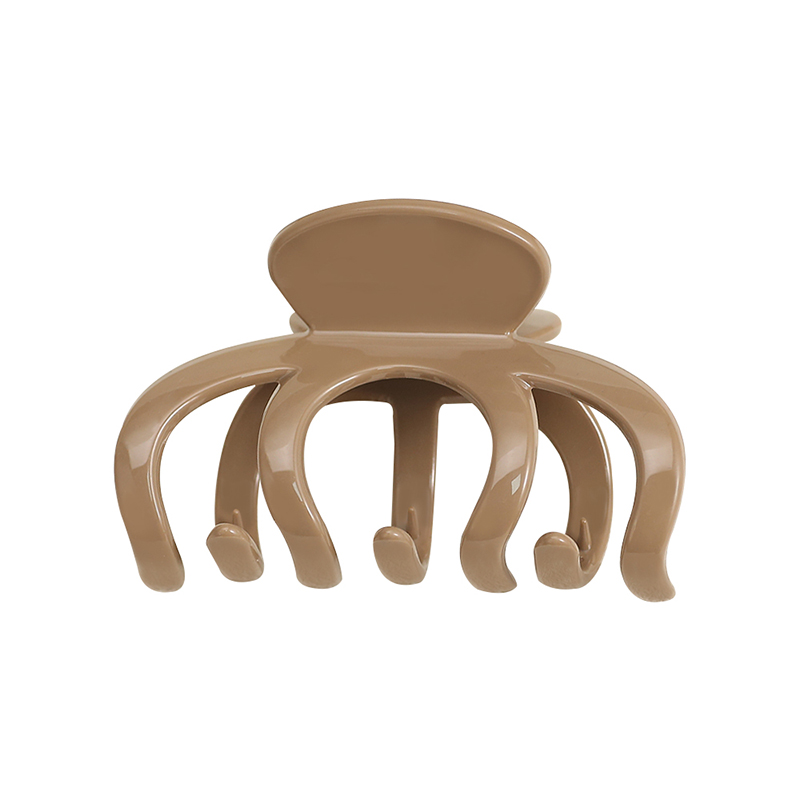
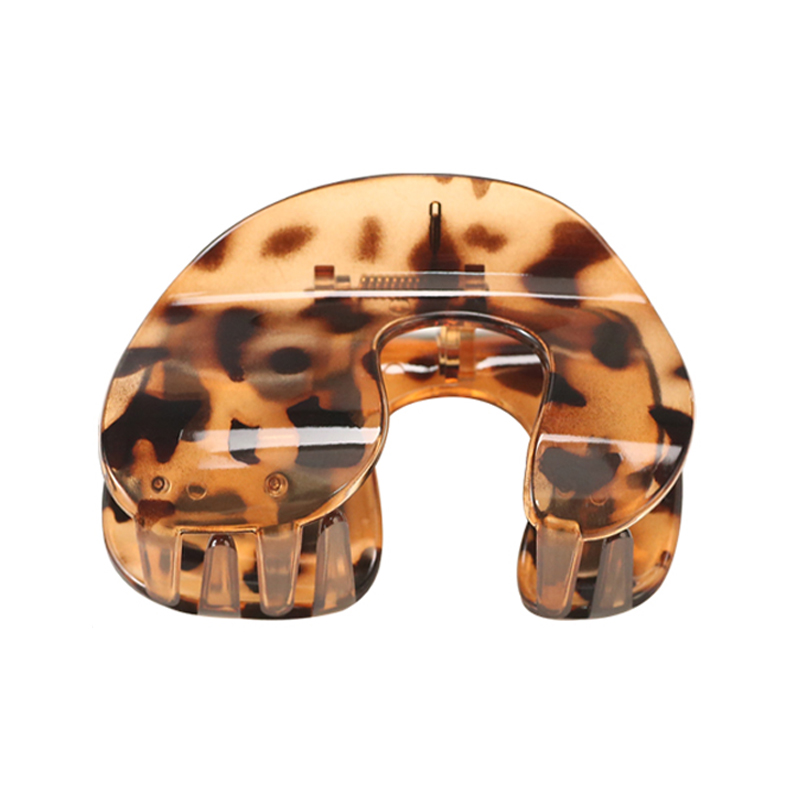
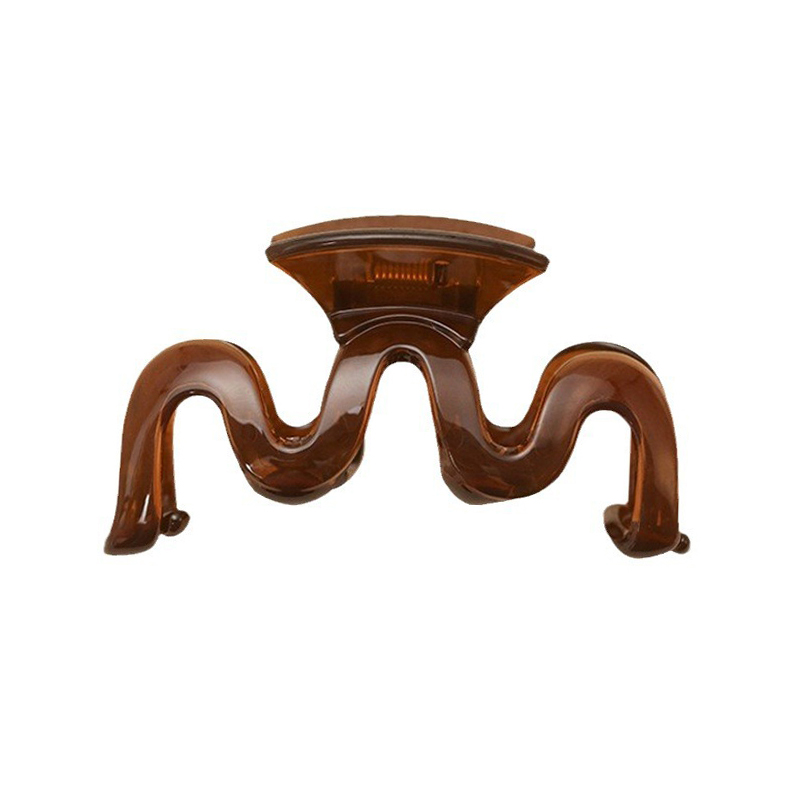
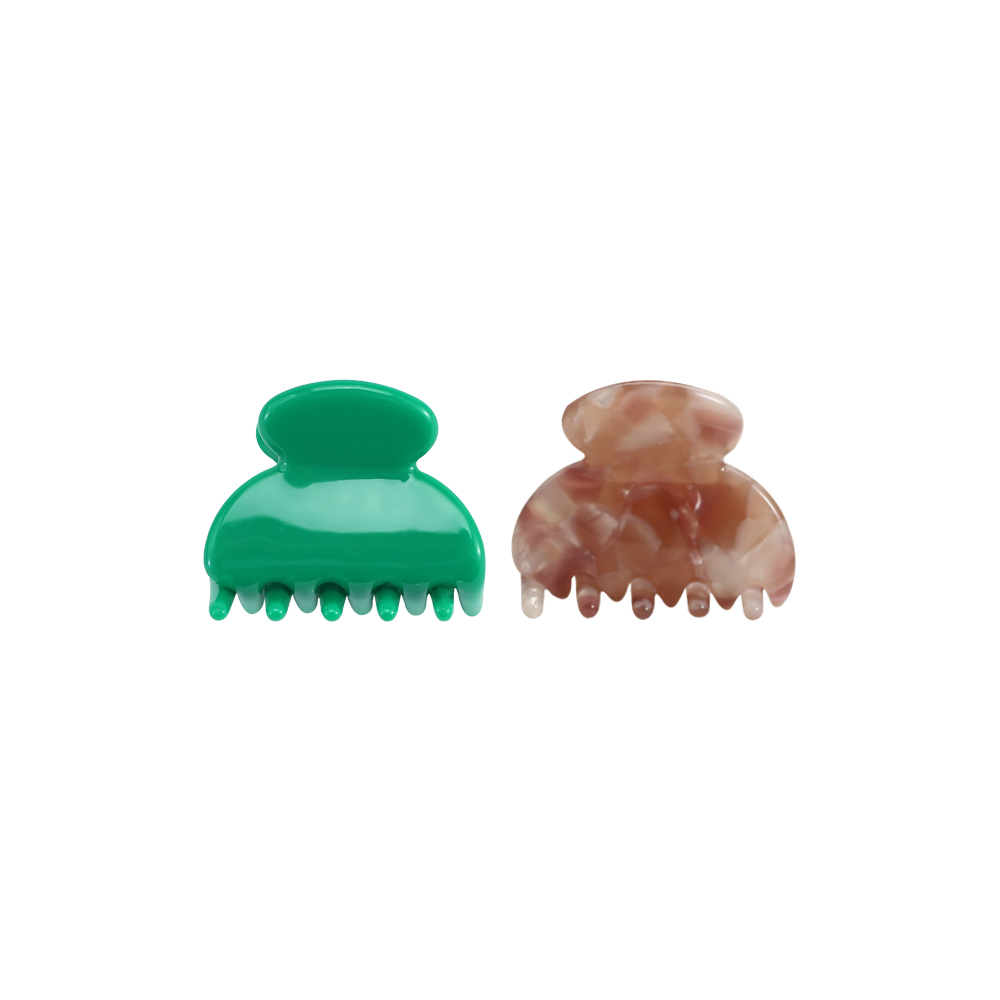
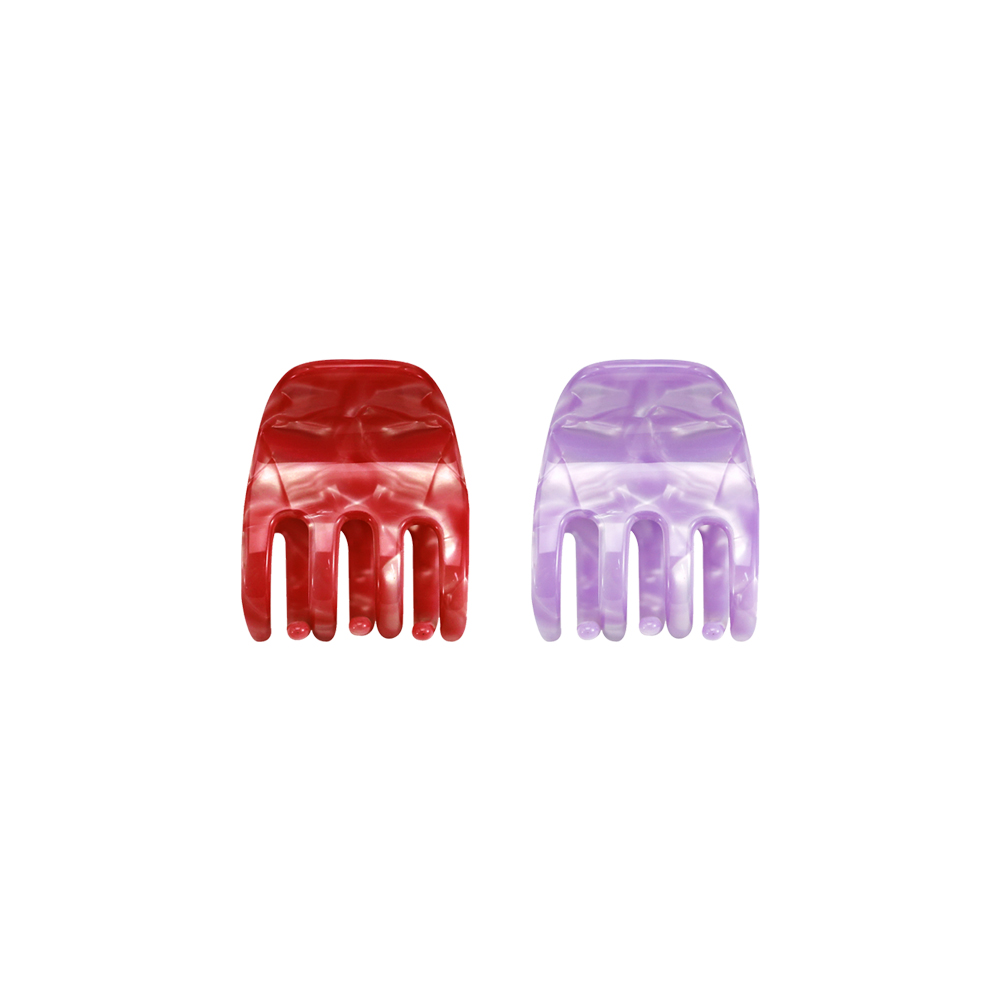
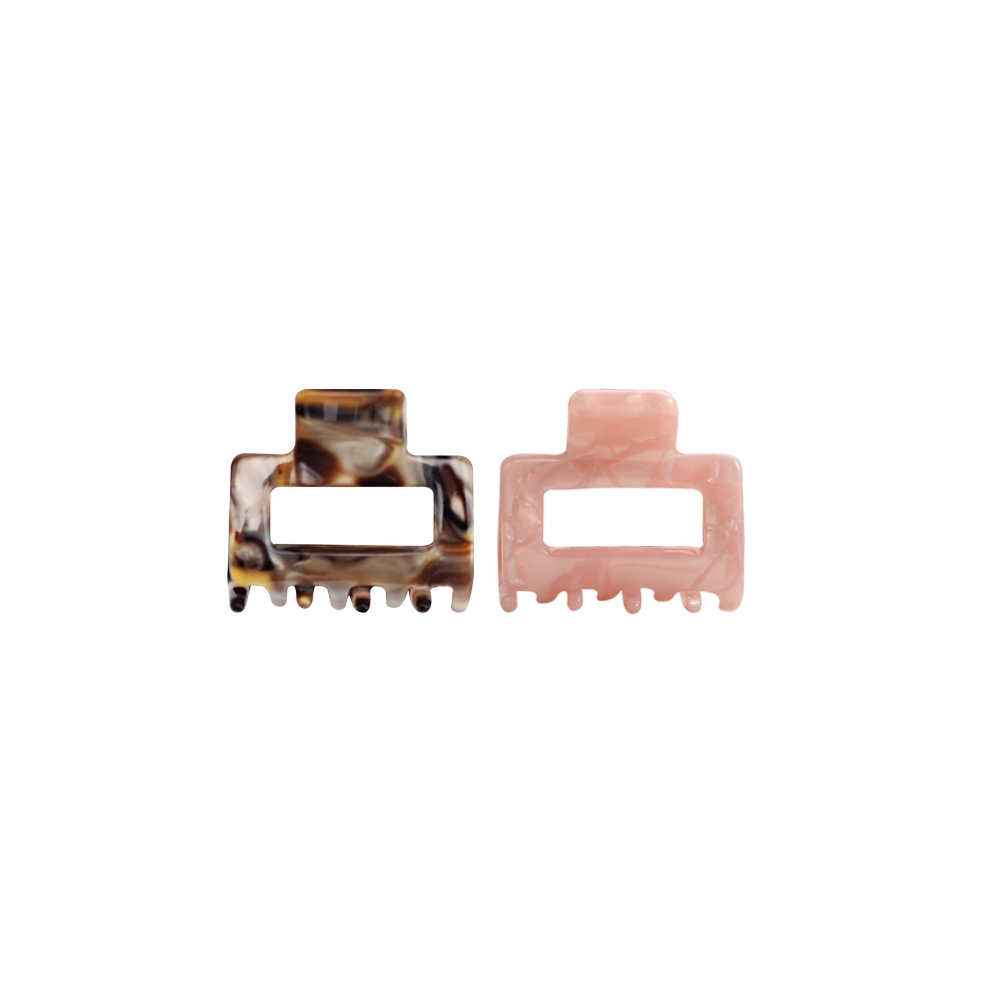
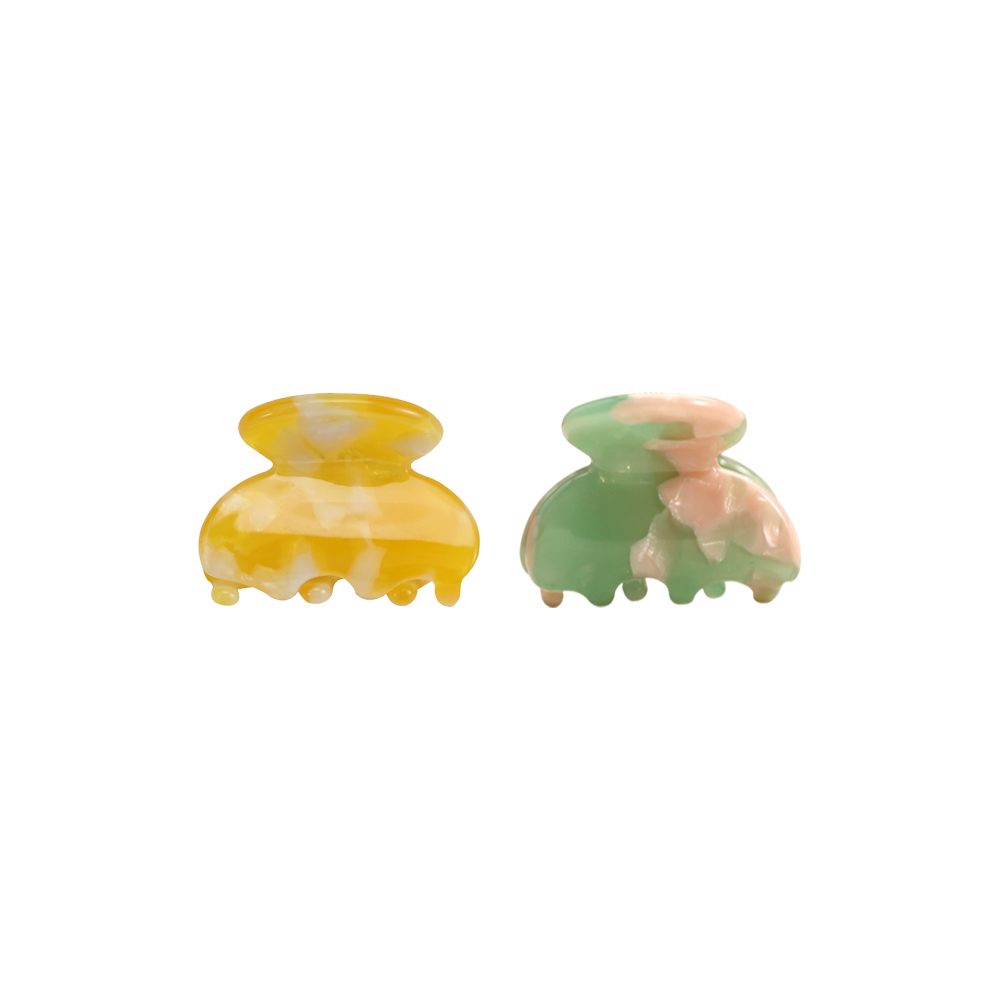
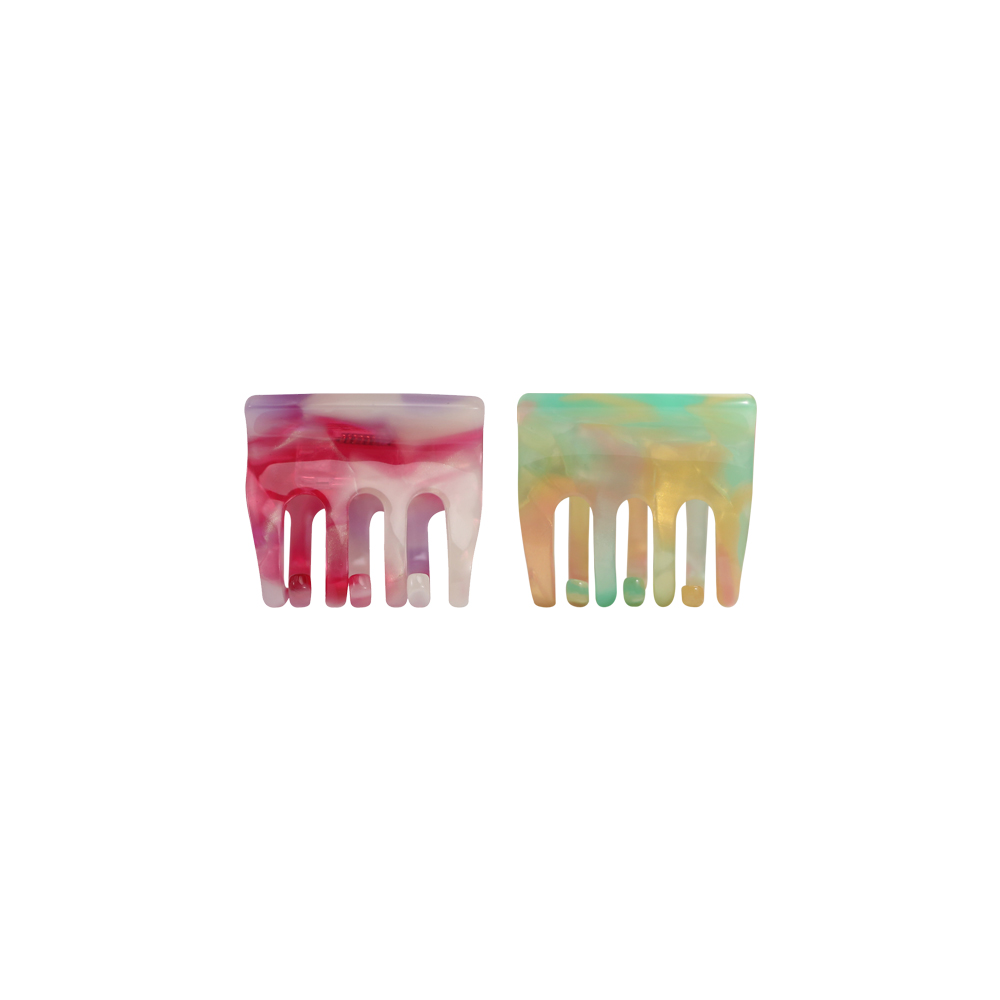
Hair accessories may look simple, but the choice of materials directly affects their performance and longevity.A Trend Hair Accessories Manufacturer often works closely with a Plastic Hair Claws Clips Factory to determine which materials suit different product needs, ensuring that clips are not only stylish but also practical for daily use. The right material can influence grip strength, comfort, appearance, and overall durability.
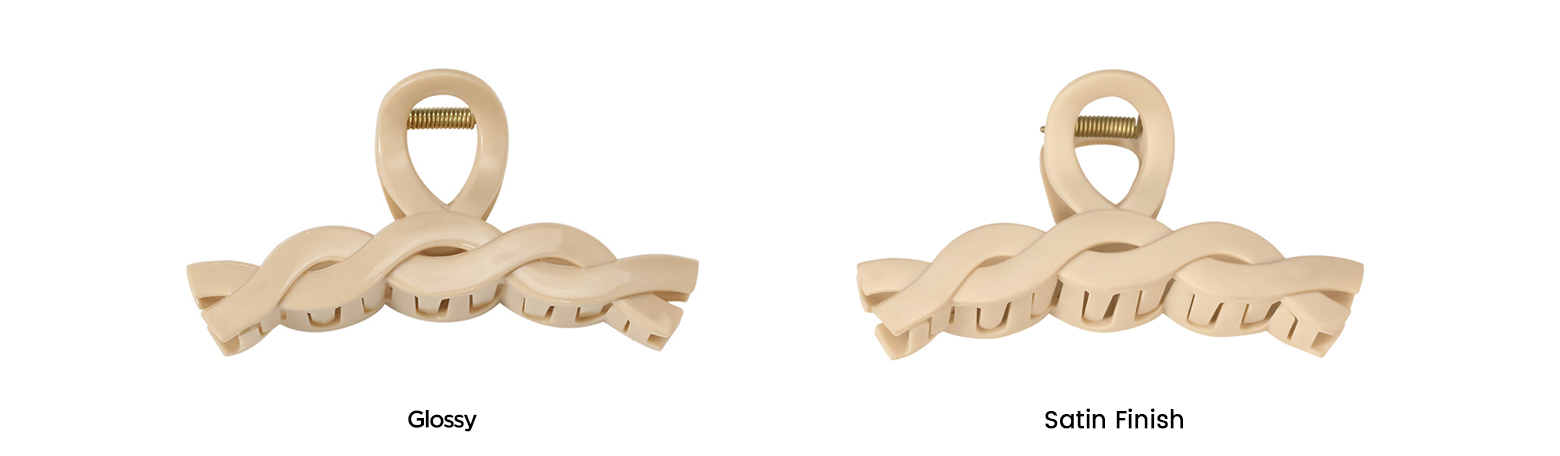
For a hair claw clip, everyday performance depends on whether the accessory can hold hair securely without causing discomfort. If a clip is made from a brittle plastic, it may break under repeated use or fail to hold thick hair. On the other hand, a clip produced with stronger polymers provides stability and can handle frequent styling adjustments. This is why manufacturers carefully assess the link between material properties and how users interact with the accessory during routine activities like work, school, or exercise.
Several materials are widely used in the production of hair claw clips, each offering different advantages. Polycarbonate (PC) is often selected for its toughness and transparency, giving clips both strength and visual clarity. Acrylonitrile Butadiene Styrene (ABS) provides a balance of durability and moldability, allowing more design variations without losing structural integrity. Polystyrene (PS) is lighter and can deliver a smooth finish, though it may be more suited for decorative rather than heavy-duty uses. By selecting among these options, manufacturers can tailor clips to specific market preferences or styling needs.
The texture and flexibility of a material also influence how a clip feels in use. A slightly flexible material may adapt better to different hair densities, while a rigid one can provide a stronger hold for thick hairstyles. The smoothness of the surface also matters—too slippery, and the clip may slide out of place; too rough, and it could cause pulling or discomfort. This balance is achieved by pairing the right material with careful finishing processes, making comfort and grip essential parts of material selection.
One of the key concerns for both manufacturers and users is how long a clip can last. Repeated opening and closing put stress on the claws and the spring mechanism. Materials with higher impact resistance, like PC, can handle these stresses more effectively. Coatings applied during the finishing stage also protect against scratches, moisture, and fading. Choosing materials that respond well to protective coatings ensures that clips maintain both function and appearance over time.
As demand grows for safer and more eco-friendly products, material selection takes on added importance. Water-based paints and coatings are commonly used to reduce harmful emissions during finishing. Additionally, manufacturers must consider whether the plastics used are compliant with safety standards in different regions. A well-informed choice ensures that clips not only perform well but also meet expectations for health and environmental responsibility.
A Trend Hair Accessories Manufacturer often faces the challenge of aligning new designs with the physical limits of materials. Transparent finishes, matte surfaces, or metallic coatings all depend on how the base material reacts to processing. If a trend calls for bold colors, ABS may be favored for its coloring capabilities. If minimalism and clarity dominate, PC could be the better choice. This collaboration between design and material science shapes the direction of new styles while keeping practicality in mind.
Clients may request personalized products with unique colors, logos, or packaging. The chosen material influences how well these customizations can be applied. For example, some plastics accept printing and surface treatments better than others. Ensuring that customized designs do not weaken the clip’s structure or reduce its durability requires close attention to material properties. This makes material selection an essential step in balancing branding goals with product performance.
Hair accessories are not used in one setting alone. They must withstand the quick styling of a busy morning, the secure hold needed during fitness routines, and the polished look required at formal gatherings. A clip made with the right material can adapt to all these scenarios without breaking or losing shape. By considering different real-world conditions, manufacturers ensure that the accessory remains useful across diverse situations.
Material selection is therefore central to the work of both a Trend Hair Accessories Manufacturer and a Plastic Hair Claws Clips Factory. From structural strength to aesthetic appeal, the chosen material affects every stage of the product’s life cycle, shaping how it is produced, how it looks, and how well it serves the person wearing it.

 +86-15988514911
 [email protected]
 3/F, Building 4, No.2289, Xuefeng West Road, Chengxi Industrial District, Yiwu 322000, Zhejiang Province, China.
Custom Stylish Hair Accessories


 English
 Español
 Deutsch