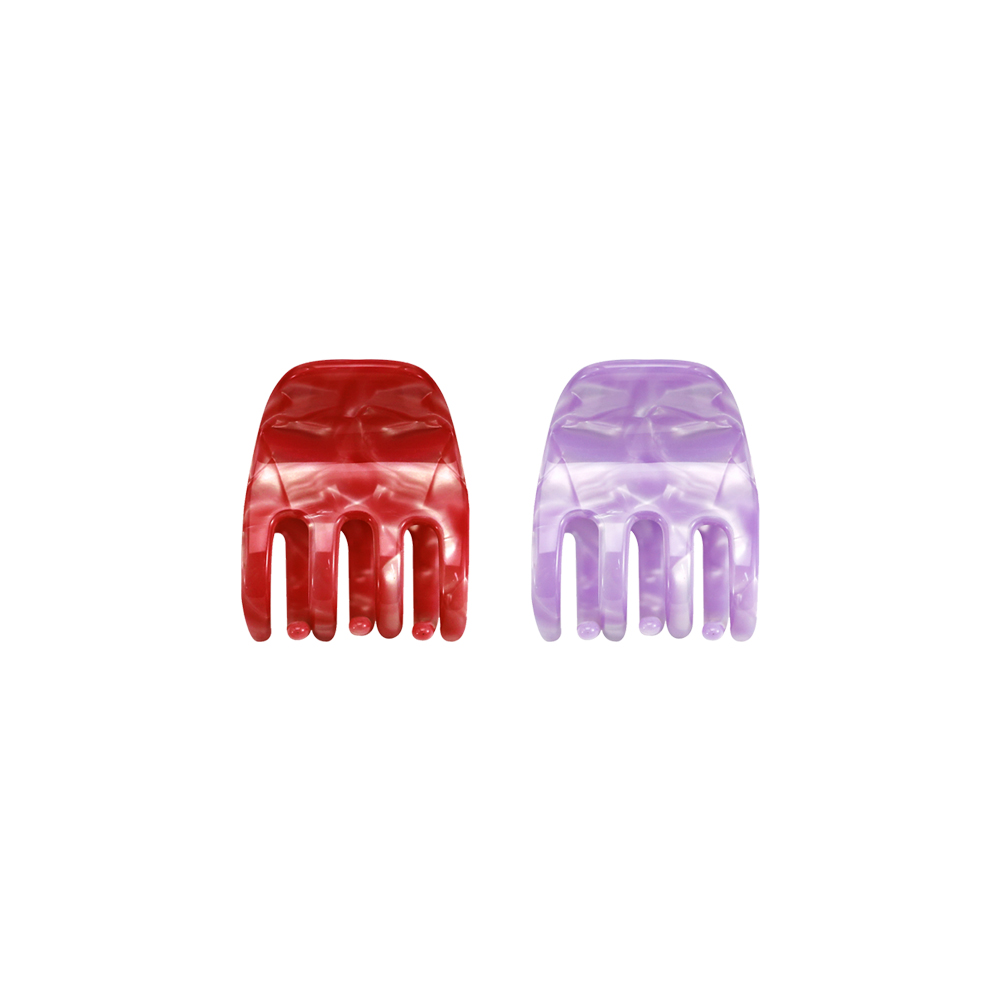
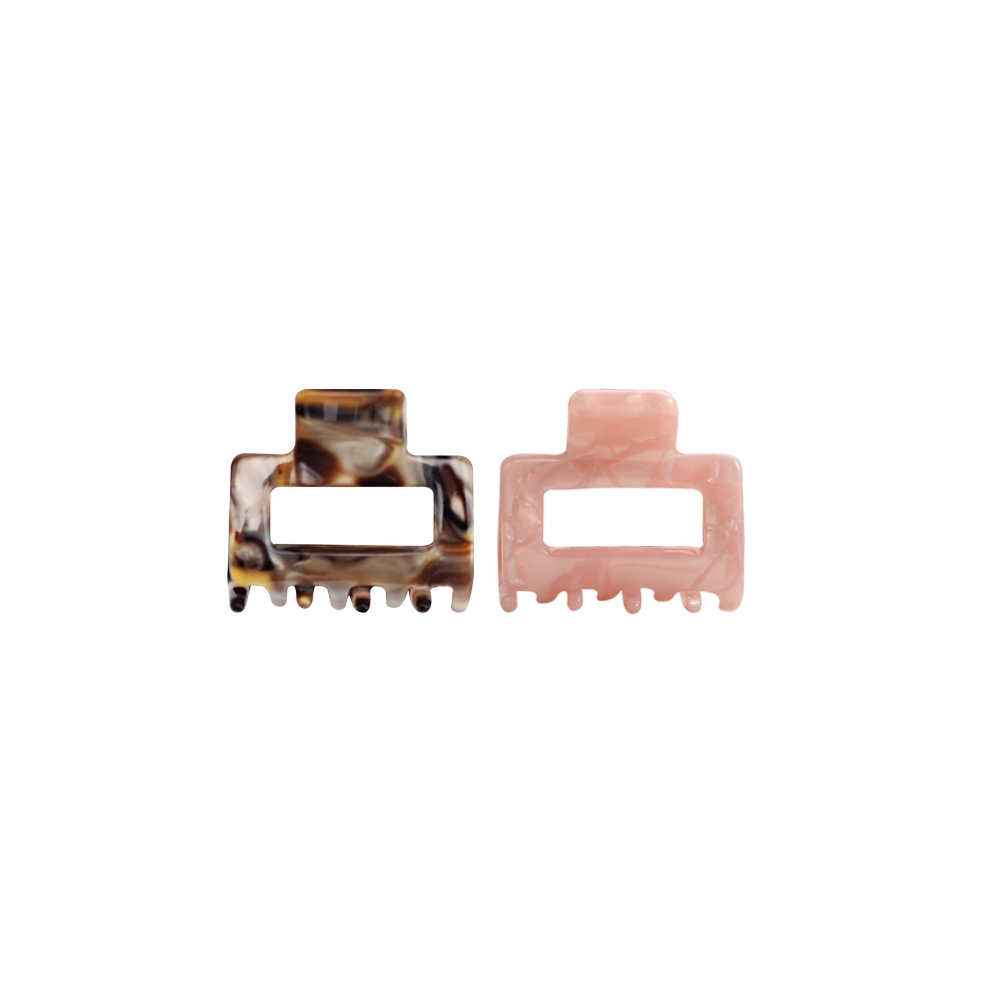
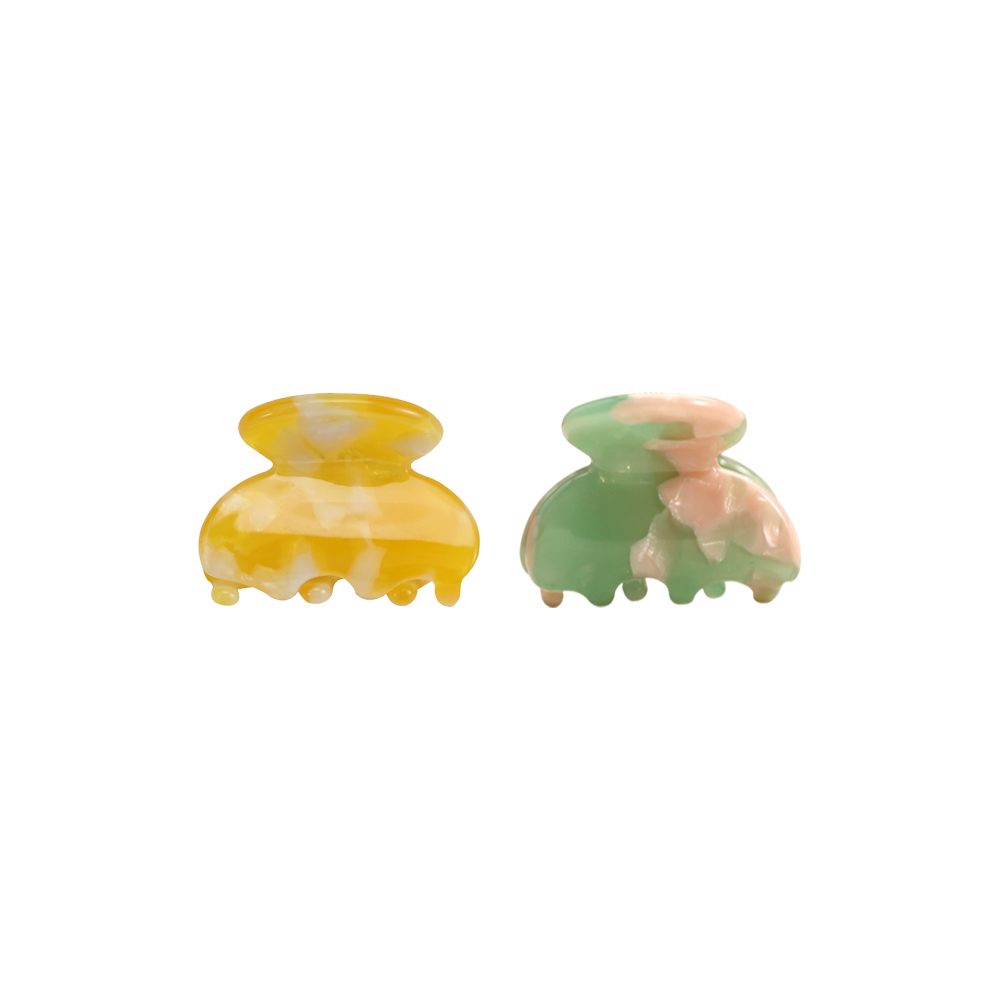
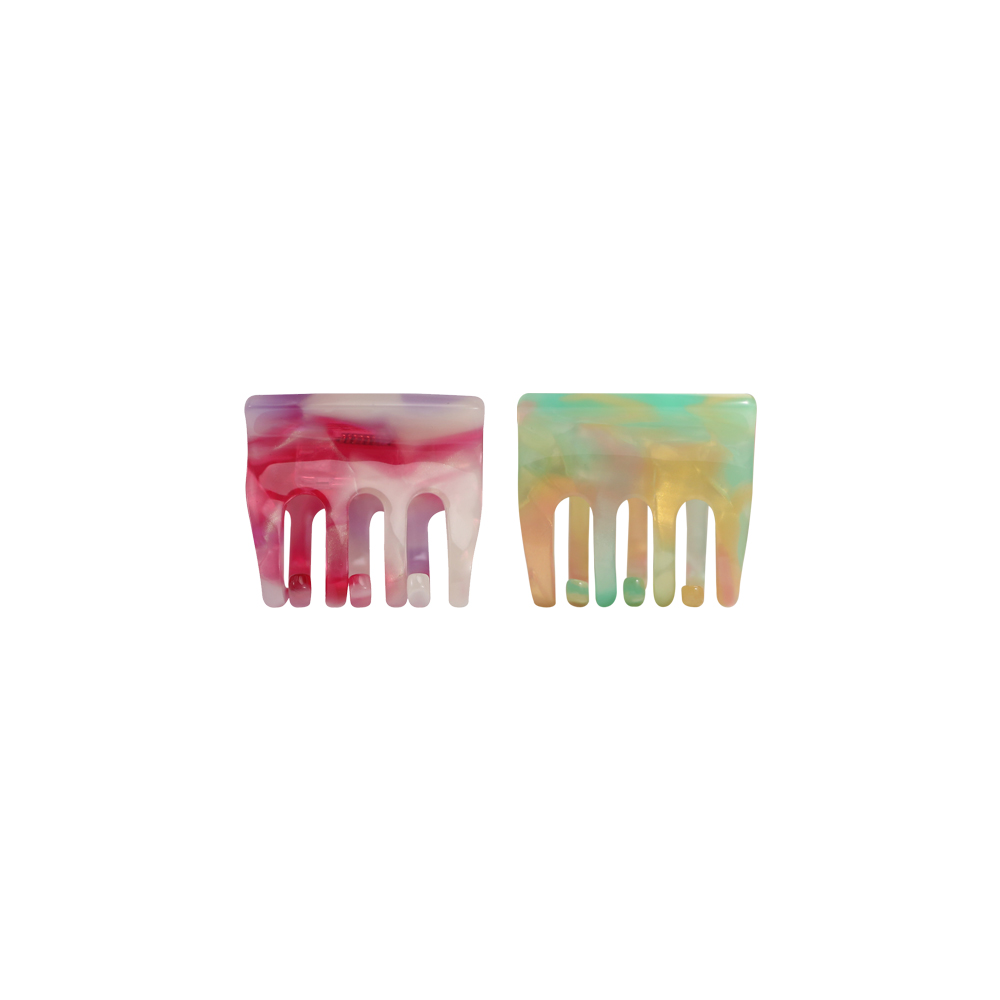
Hair accessories have become an essential part of daily styling routines, offering both function and aesthetic appeal. Among the wide range of options, large black claw clips, jelly hair clips, and checkerboard hair clips are gaining popularity for their versatility and practical design. While design and style are important, the finishing process of these accessories plays a crucial role in ensuring their safety and durability. A non-toxic finishing process has emerged as a key factor in producing hair accessories that are safe for users, environmentally considerate, and visually appealing.

The finishing process refers to the final steps in manufacturing where the surface of the hair accessory is polished, coated, or treated to achieve the desired look and texture. For plastic and acetate hair accessories, this step can involve painting, spraying, or applying a protective coating. Traditional finishes often rely on solvent-based paints or coatings, which can release harmful chemicals during production and use. In contrast, a non-toxic finishing process uses water-based coatings or lacquers, reducing the exposure to volatile organic compounds and creating a safer product for consumers.
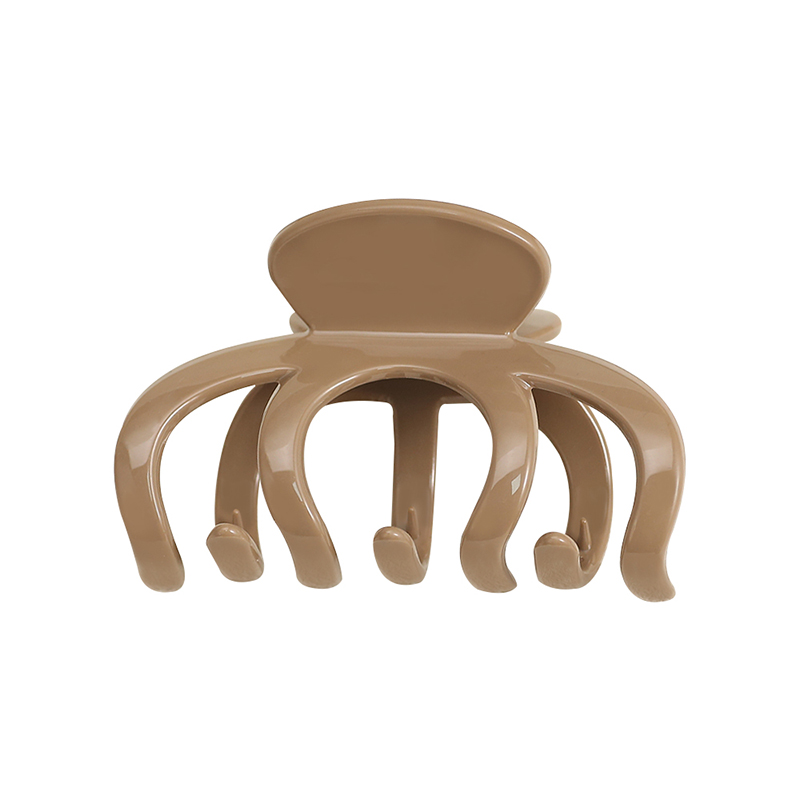
Large black claw clips, with their strong grip and wide teeth, are designed to hold a significant amount of hair securely. The finishing process enhances both the appearance and the comfort of the clip. A smooth, non-toxic surface prevents hair from snagging or breaking while maintaining the clip’s strength. The use of water-based coatings ensures that the glossy or matte finish is free from harmful substances, making it suitable for frequent daily use. These finishing techniques also contribute to the clip’s resistance to wear and fading, extending its lifespan without compromising user safety.
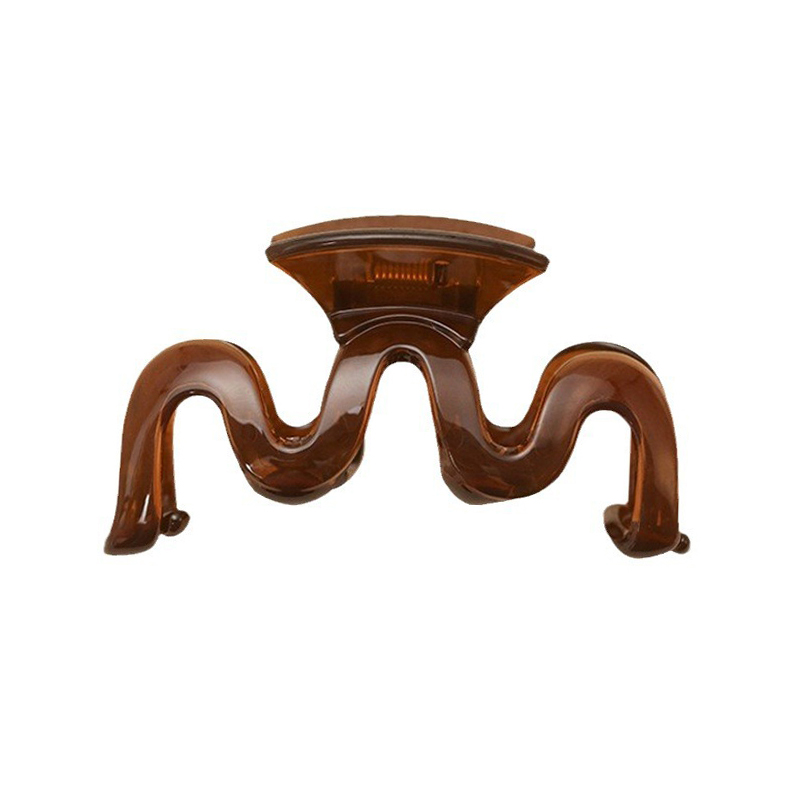
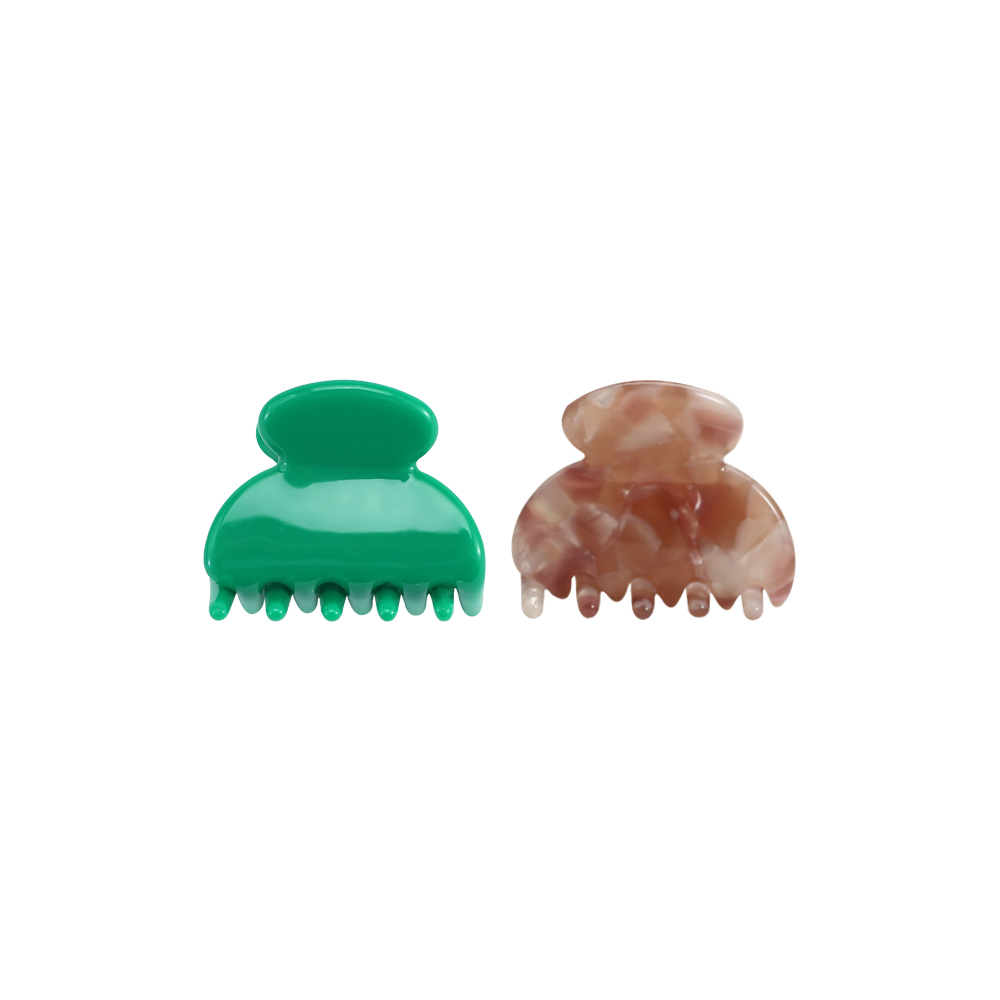
Jelly hair clips are another popular style, appreciated for their soft, flexible texture and translucent, colorful design. These clips often feature playful shapes and vibrant colors, making the finishing process an important step to preserve the clarity and brightness of the material. A non-toxic coating can help seal the surface, preventing discoloration and maintaining the smooth touch that makes jelly hair clips comfortable to wear. Consumers can enjoy the flexibility and lightweight nature of jelly clips without concerns about chemical exposure, which is especially important for young users or individuals with sensitive skin.
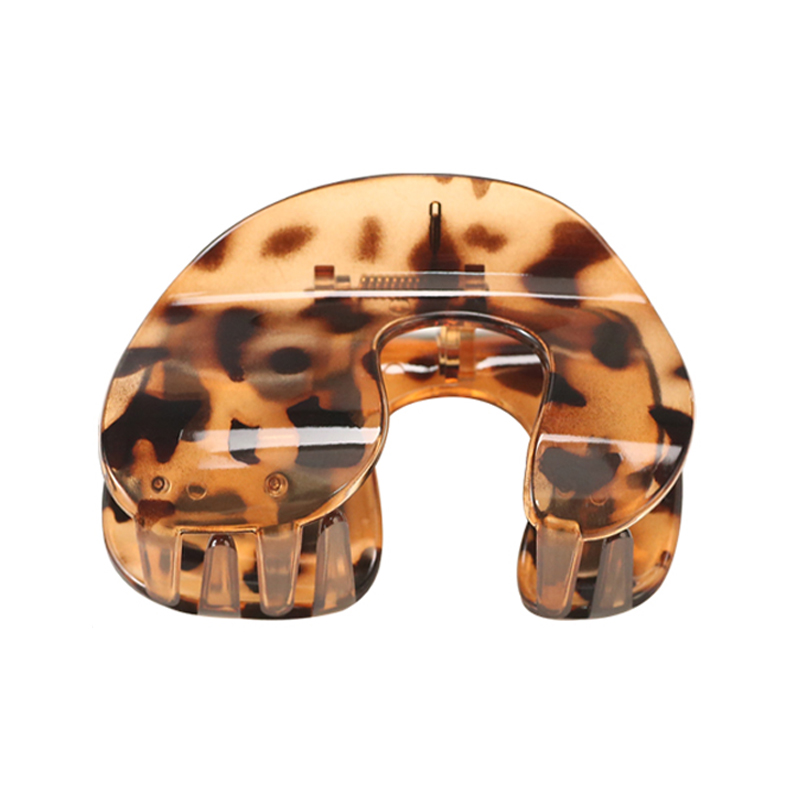
Checkerboard hair clips combine classic patterns with contemporary styling. The intricate design requires precise finishing to maintain the sharp contrast of the squares while keeping the surface smooth. Non-toxic finishing ensures that the decorative elements remain intact and that the clip is safe to handle. Applying a water-based lacquer can enhance the visual appeal, giving the clip a subtle shine while protecting the pattern from scratches or fading. The end result is a stylish accessory that is both functional and safe to use for a wide range of hair types.
In addition to safety, the non-toxic finishing process supports environmental responsibility. Water-based coatings reduce emissions during production, contributing to lower environmental impact. Manufacturing facilities adopting these methods can produce hair accessories with fewer harmful chemicals, aligning product quality with sustainability practices. For consumers who are conscious about the products they choose, this adds another layer of value beyond aesthetics and functionality.
Overall, the non-toxic finishing process represents a thoughtful approach to hair accessory manufacturing. Large black claw clips, jelly hair clips, and checkerboard hair clips are examples of products that benefit from this process, offering a combination of style, durability, and safety. By prioritizing water-based and non-toxic coatings, manufacturers can deliver products that meet the demands of daily use with fewer potential risks. The process ensures that accessories are smooth to the touch, visually appealing, and free from substances that could cause irritation.
As the hair accessory market continues to grow, the focus on safe and environmentally considerate production methods becomes increasingly relevant. Consumers are looking for products that not only enhance their styling options but also reflect careful consideration of health and sustainability. Hair accessories with non-toxic finishes meet these expectations, providing reliable performance and a pleasing appearance without compromising safety. Whether it is the practical grip of a large black claw clip, the playful charm of jelly hair clips, or the stylish pattern of checkerboard hair clips, non-toxic finishing enhances the overall experience of using these accessories, offering peace of mind alongside everyday utility.

 +86-15988514911
 [email protected]
 3/F, Building 4, No.2289, Xuefeng West Road, Chengxi Industrial District, Yiwu 322000, Zhejiang Province, China.
Custom Stylish Hair Accessories


 English
 Español
 Deutsch