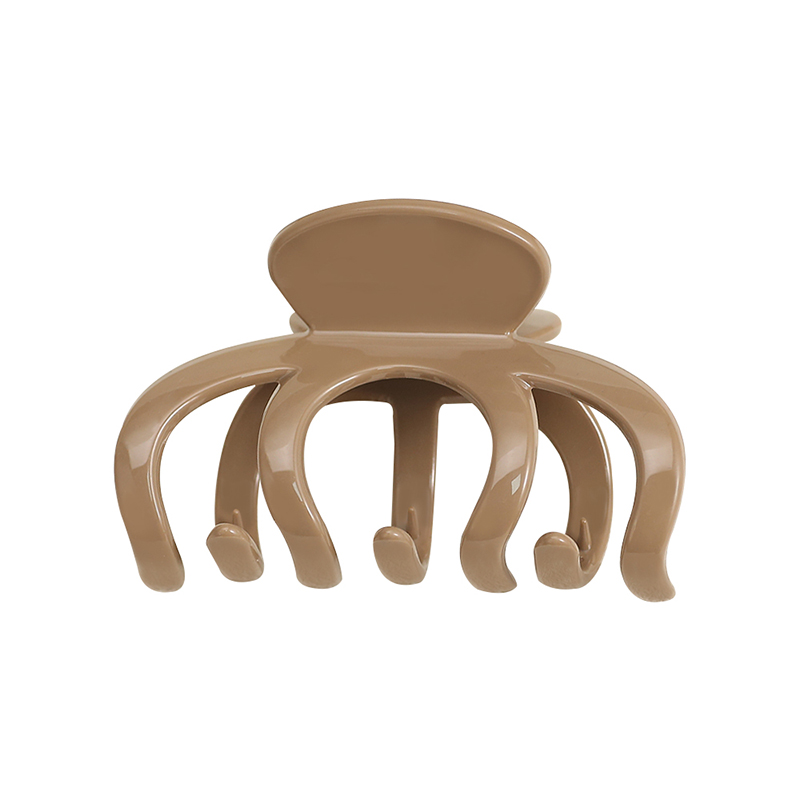
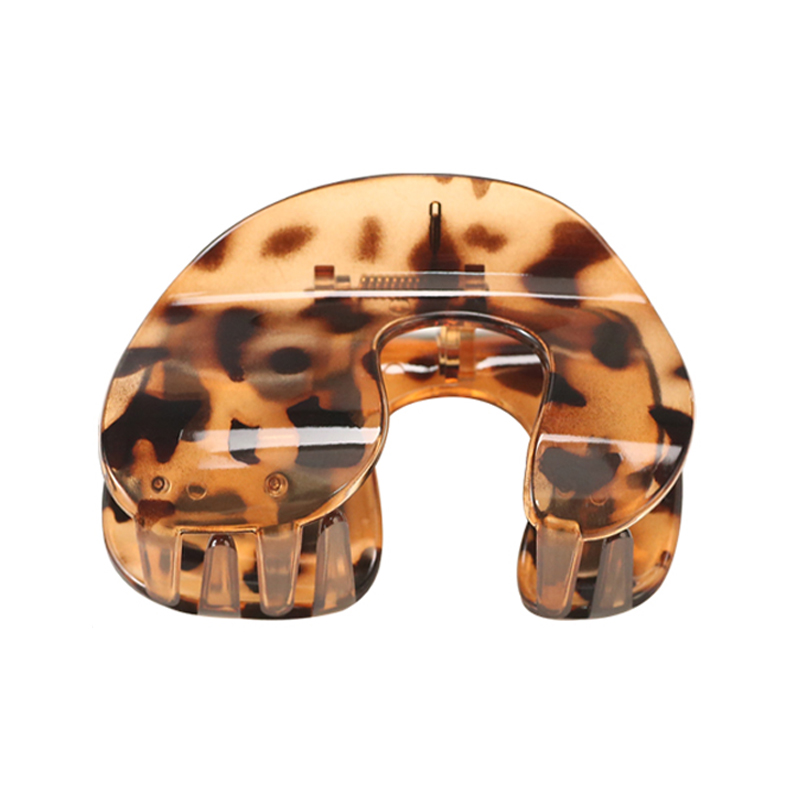
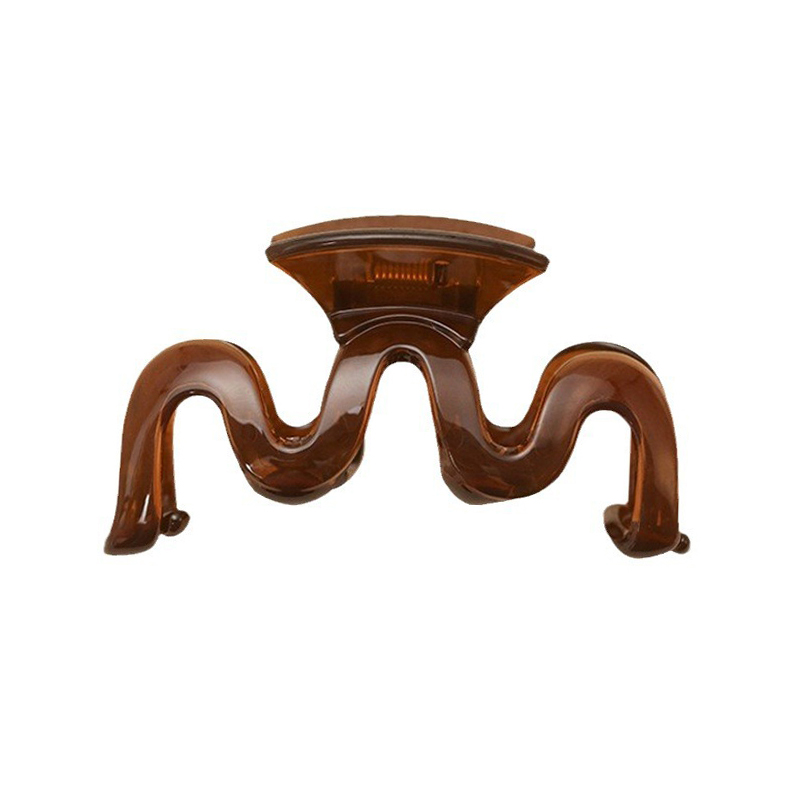
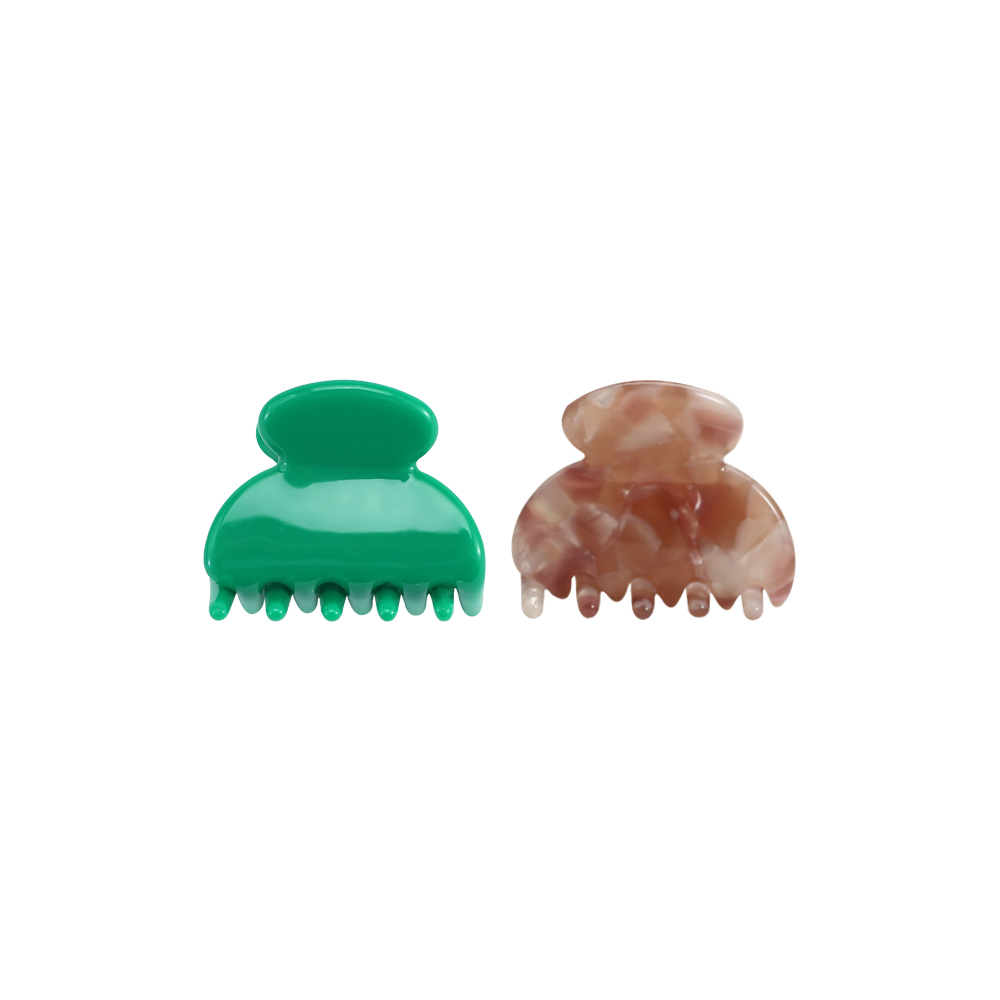
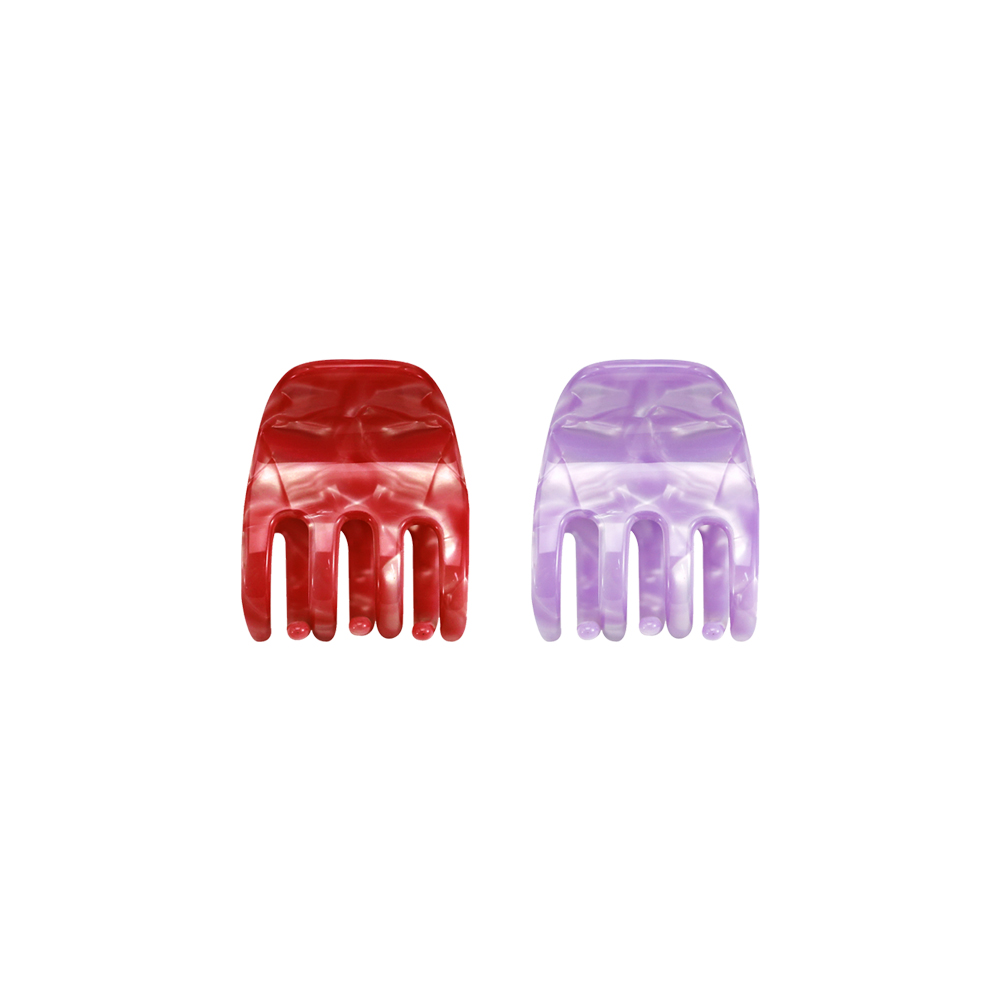
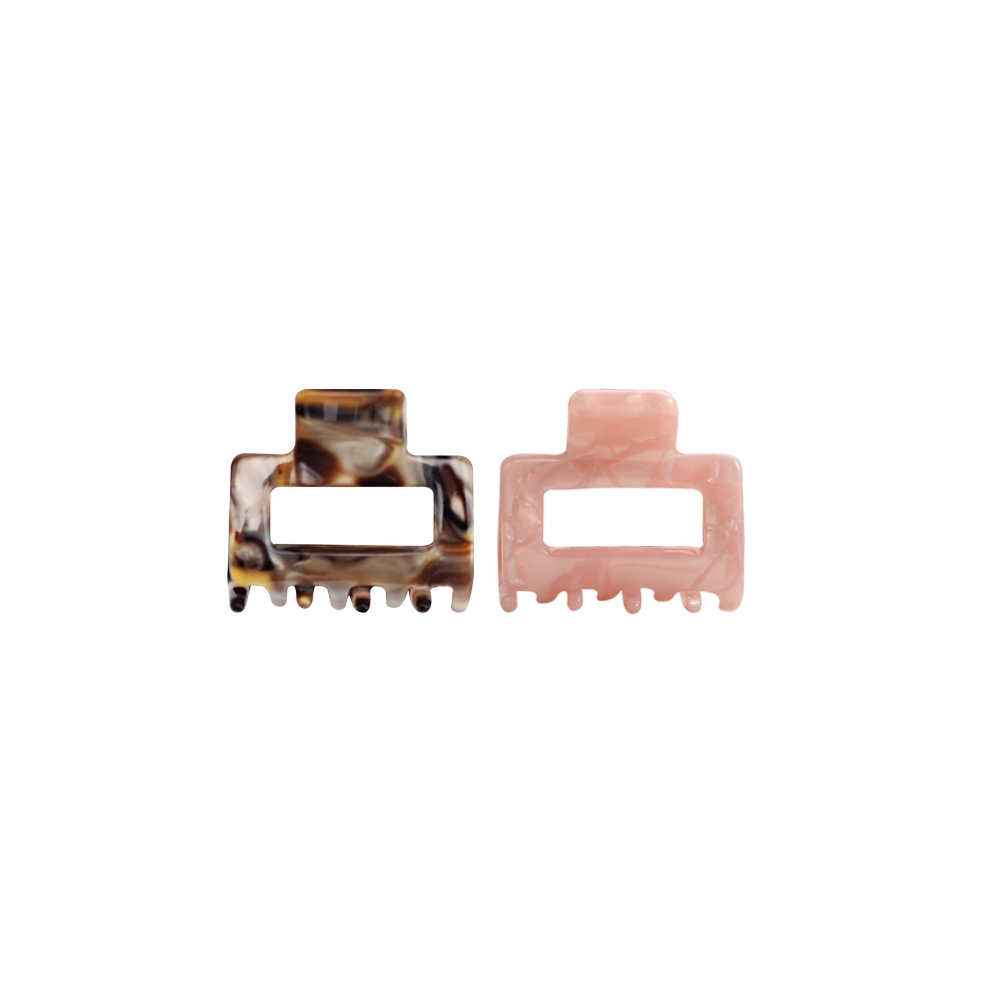
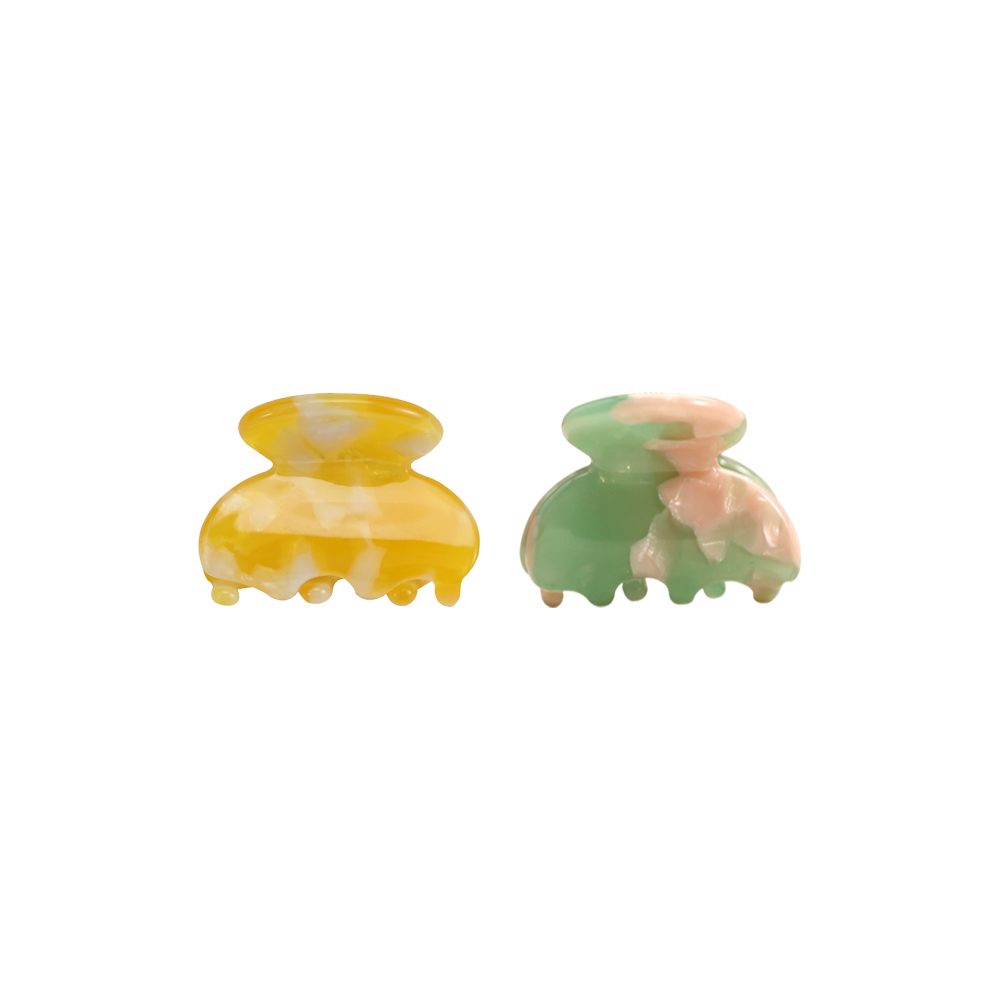
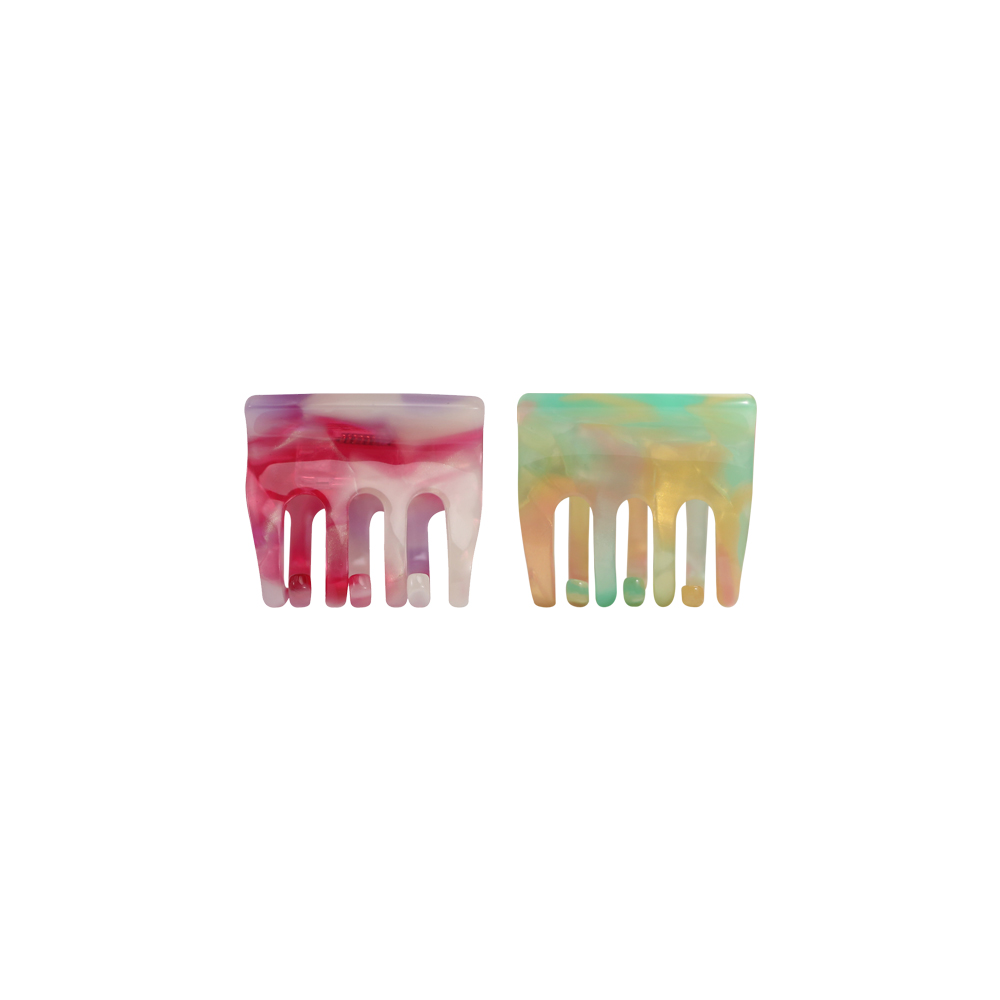
Fashion trends evolve quickly, and in the world of hair styling, accessories play a central role in setting those trends. A Trend Hair Accessories Manufacturer works to understand shifting preferences while also balancing function and design, ensuring that each piece is both useful and visually appealing. Similarly, a Plastic Hair Claws Clips Factory contributes by transforming design ideas into tangible products through careful production processes. Together, these roles influence how new styles are created and adopted in the market.
The definition of a successful hair accessory begins with identifying what users actually require. For hair claws, that means addressing differences in hair type, length, and styling habits. Some customers prefer large clips that can hold thick or long hair securely, while others may choose smaller options to accent side strands or short cuts. By studying how people wear and use clips in daily life, manufacturers can design pieces that naturally fit into routines rather than creating accessories that remain unused.
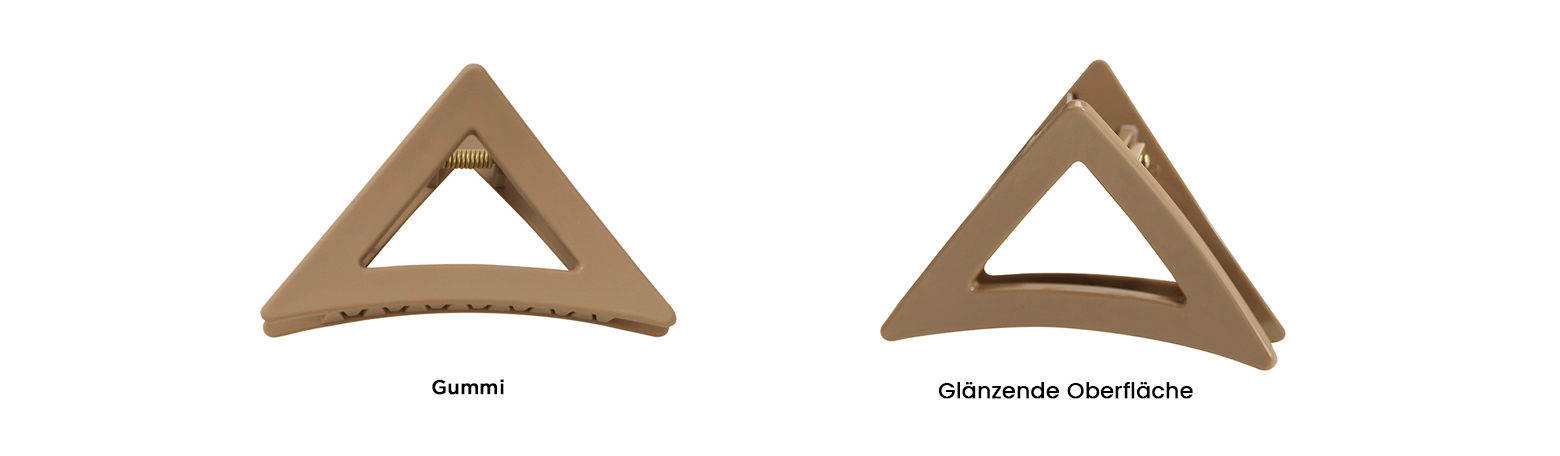
Large clips above 10 cm work for securing updos or buns, medium ones between 6–10 cm are suited for half-up looks, and smaller clips under 6 cm are practical for bangs or accent styling. Beyond size, the curvature of the claws, the tension of the spring, and the finish of the material all affect performance. A small change in grip strength or tooth spacing can alter how well the clip supports a hairstyle. Understanding these details allows new styles to emerge without compromising usability.
The materials chosen by a Plastic Hair Claws Clips Factory also influence trends. Polycarbonate is often favored for its durability and clarity, while ABS and PS can be used for different visual and structural effects. A clear clip might highlight simplicity and minimalism, while a matte or coated surface can match current fashion palettes. By experimenting with finishes, manufacturers can align new hair accessories with seasonal fashion colors or event-specific styling preferences.
One way manufacturers define trends is by offering products versatile enough for both daily and formal settings. For instance, a simple transparent clip may be designed for casual office wear, while the same clip finished with metallic or pearl-like coatings can suit weddings or evening events. The ability to shift an accessory’s role through design choices reflects how manufacturers shape styling options and respond to consumer demand for multi-purpose items.
Customization plays a growing role in defining trends. Clients may request hair accessories in specific colors, with logo placements, or packaged in ways that reflect brand identity. When manufacturers offer such services, they open space for unique styles that can appeal to niche markets or seasonal promotions. This flexibility means trends are not only shaped by mass appeal but also by the ability to respond to targeted consumer groups.
The process used by a Plastic Hair Claws Clips Factory also impacts final styling trends. Injection molding ensures consistency, meaning each piece has the same structure and grip strength. Attention to finishing—such as smooth surfaces, eco-friendly coatings, and uniform color application—adds to the product’s overall fashion appeal. These steps help transform a basic accessory into one that feels aligned with current design directions.
Trends are not only about appearance but also about functionality. Manufacturers shape new styles by demonstrating how their clips can be used. Showing options like securing full updos, creating half-up looks, or accenting side-swept hair encourages users to experiment with different ways of wearing the same accessory. When people discover flexibility in one item, it often influences buying decisions and helps expand a trend beyond a single season.
Behind each new style is a process of observing what customers want. Market research, such as tracking popular hairstyles in social media or noting seasonal fashion shows, helps manufacturers decide which accessories to introduce. For example, if looser, voluminous hairstyles become popular, larger clips with stronger springs may appear in collections. When sleek and minimalistic looks dominate, smaller and more understated clips take the spotlight.

 +86-15988514911
 [email protected]
 3/F, Building 4, No.2289, Xuefeng West Road, Chengxi Industrial District, Yiwu 322000, Zhejiang Province, China.
Custom Stylish Hair Accessories


 English
 Español
 Deutsch