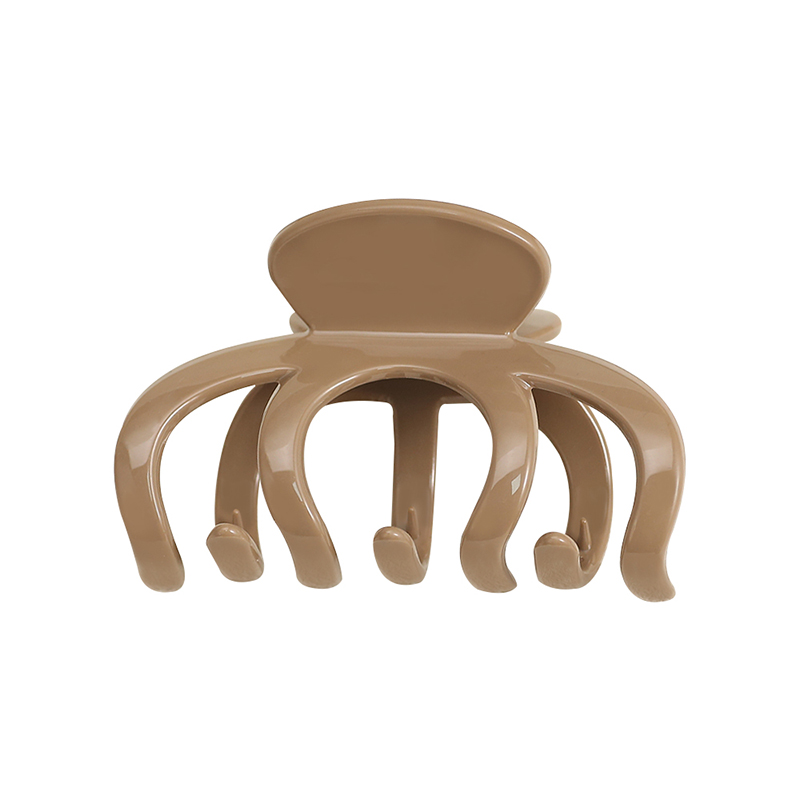
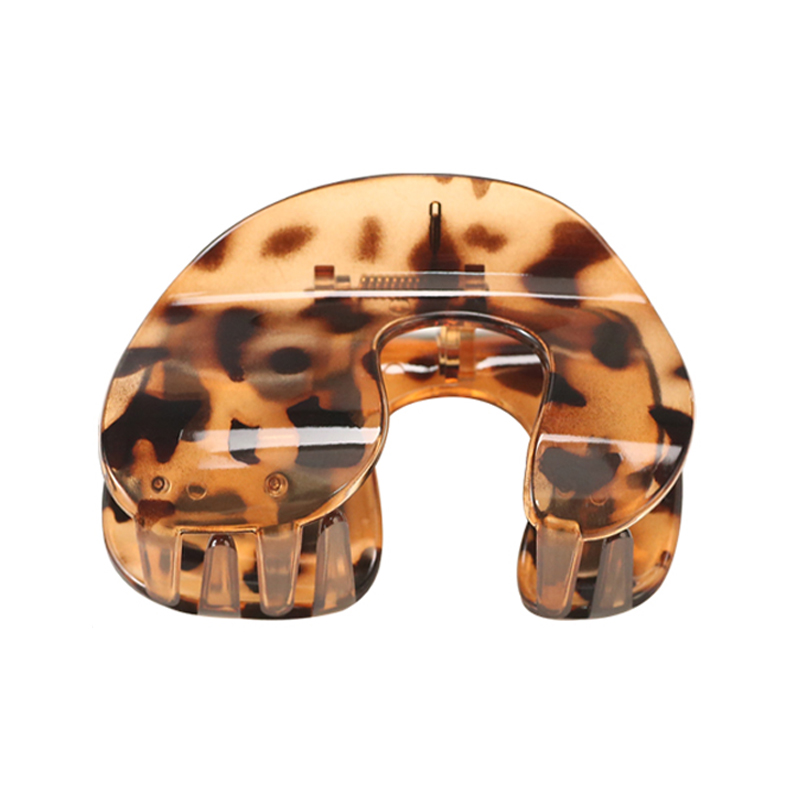
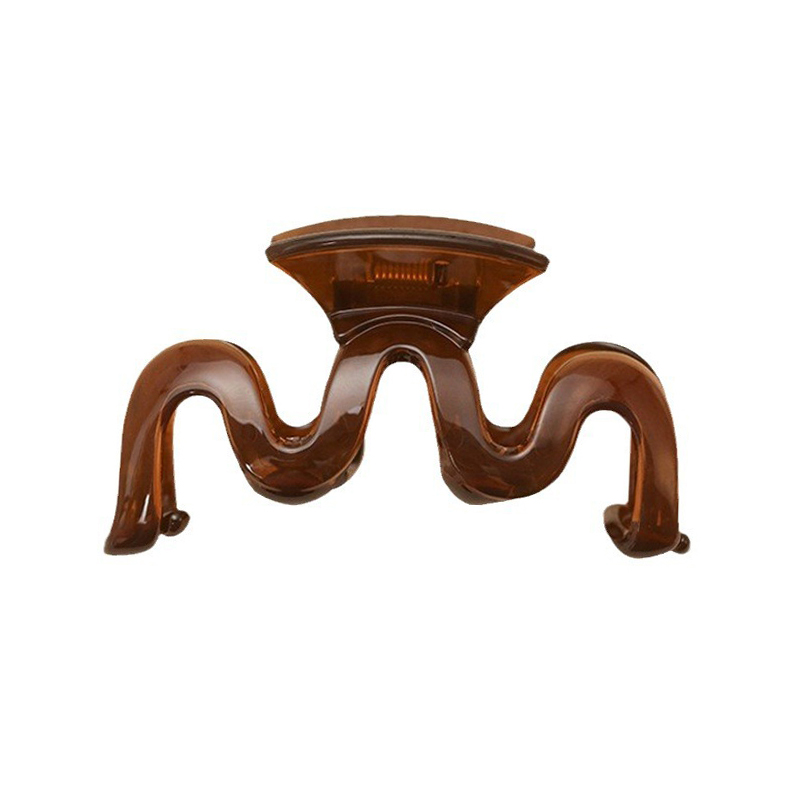
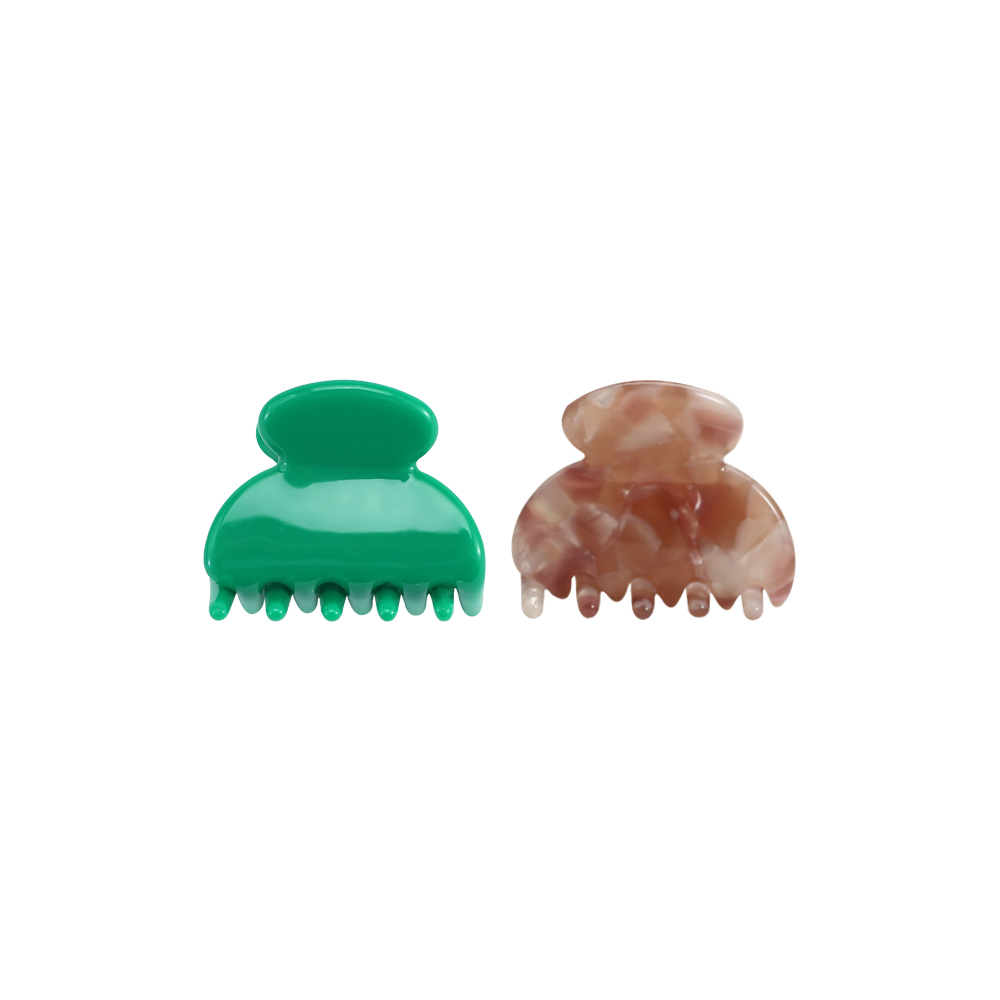
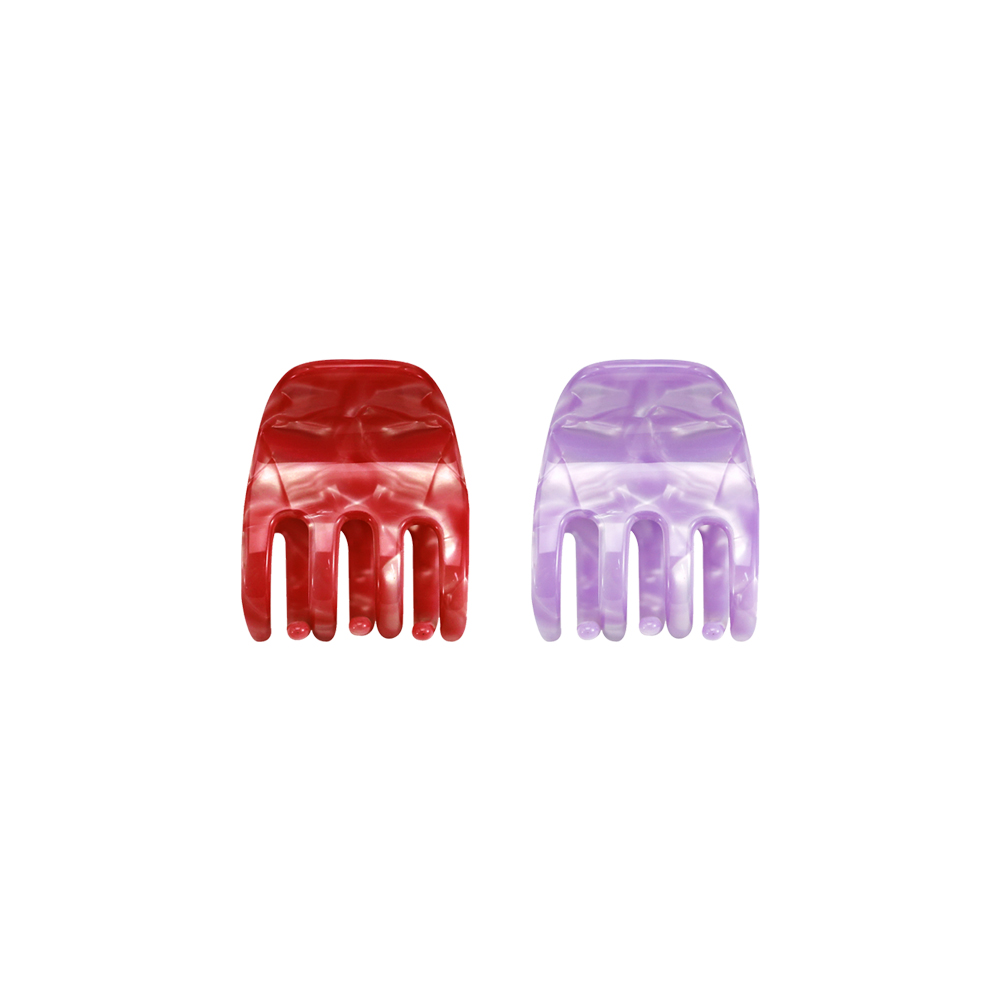
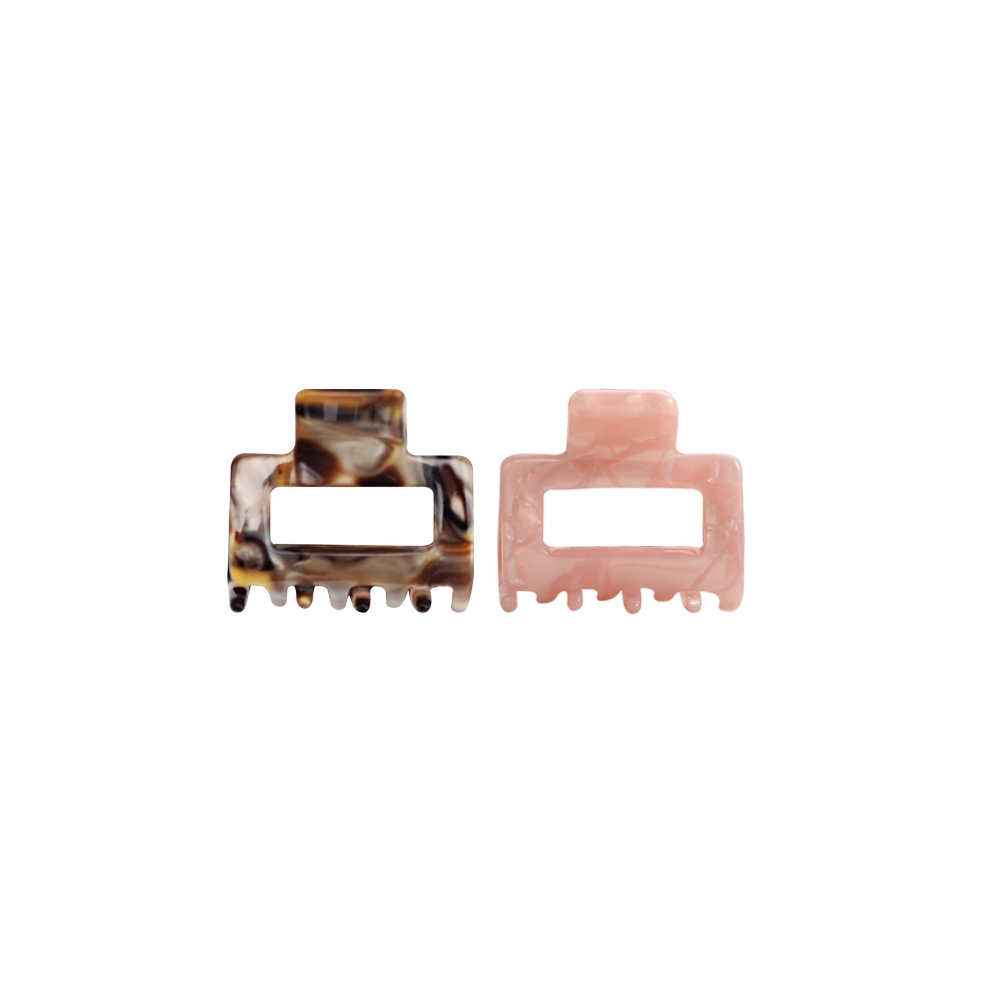
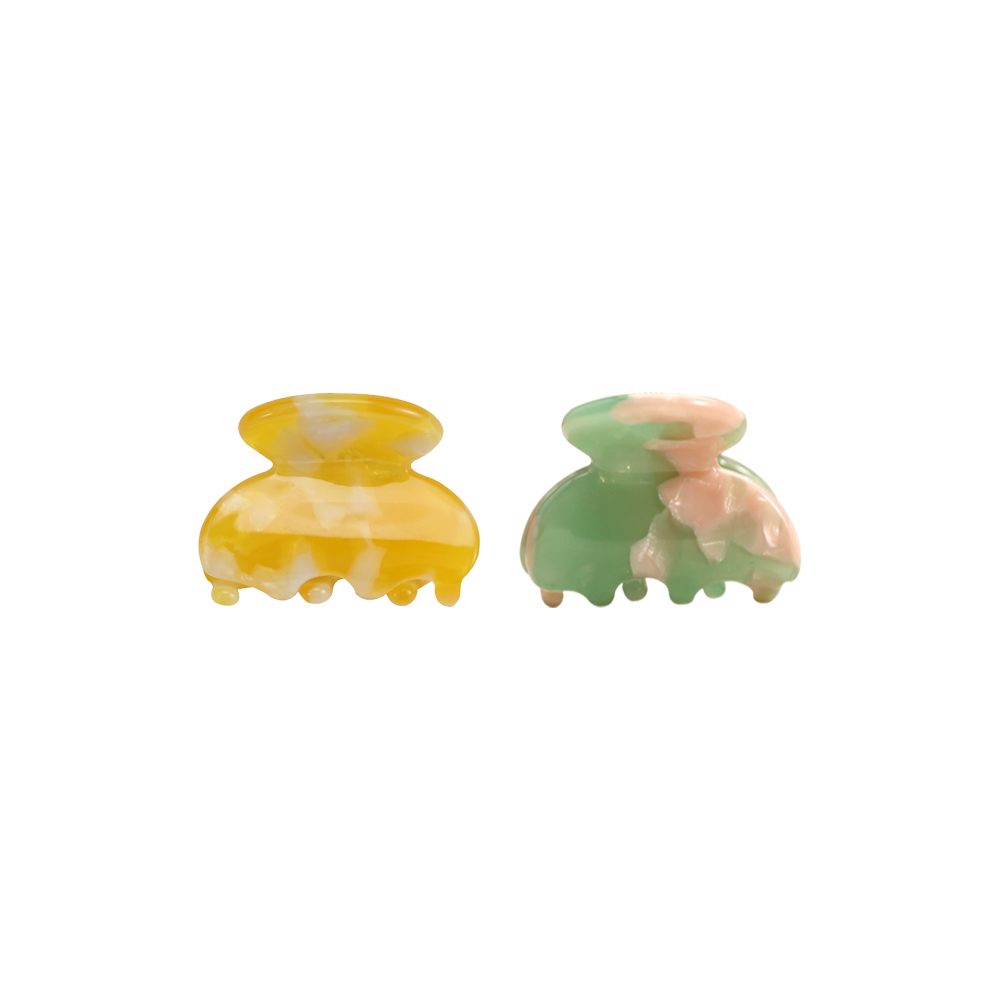
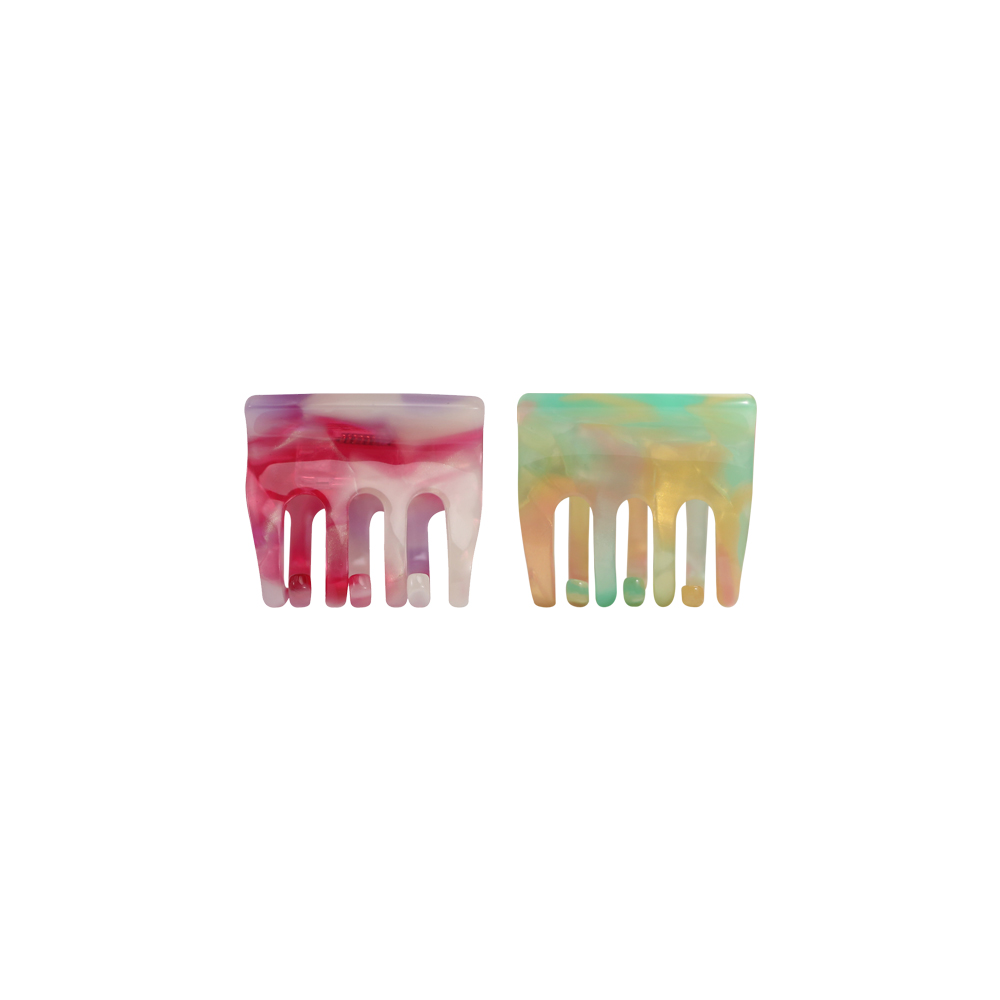
Behind every stylish and comfortable hair accessory lies a careful design and production process that combines creativity, technical knowledge, and precision. For companies working with an Acetate Hair Claws Clips Manufacturer or a Custom Hair Claws Clips Manufacturer, understanding how designs are created can help them make better decisions during product development. From concept sketches to mold testing, each stage of the design process plays a key role in transforming a simple idea into a finished accessory that meets both aesthetic and functional expectations.
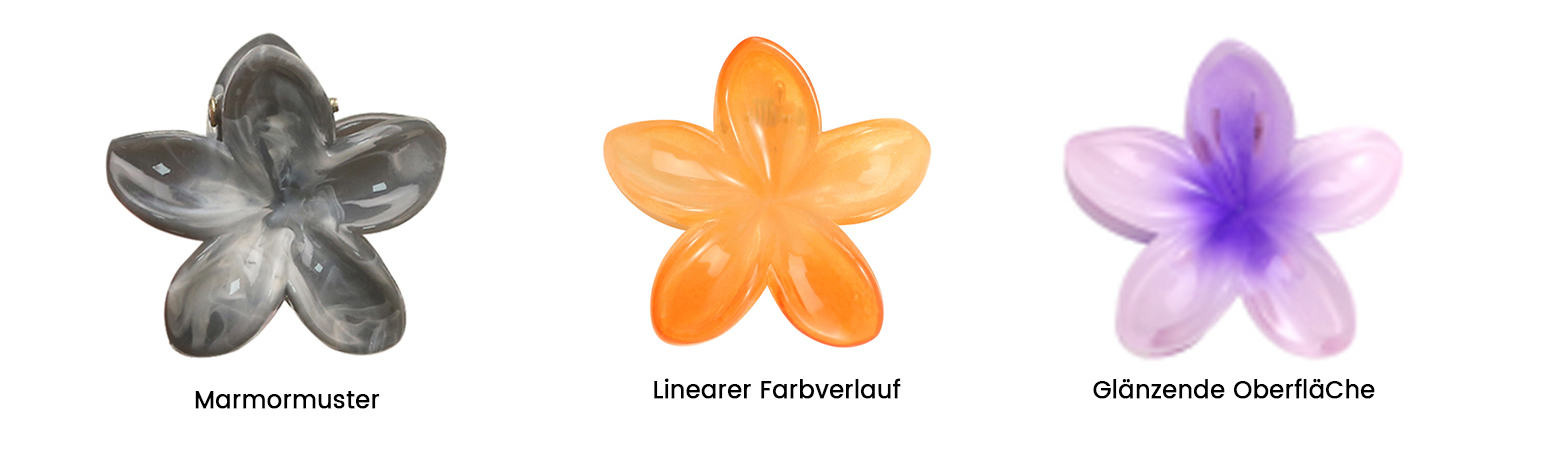
Design creation begins with the client’s concept or inspiration. Brands often approach manufacturers with a general idea—such as a seasonal color trend, a shape inspired by nature, or a logo integration requirement. The manufacturer’s design team then translates these ideas into practical product plans. This step requires balancing appearance with function. A hair claw clip must not only look appealing but also provide a secure grip and comfortable wear for different hair types.
At this stage, communication between the client and the design team is crucial. Designers collect information about the brand’s target audience, preferred materials, and market positioning. For example, a luxury-oriented brand may prefer polished acetate with marble textures, while a casual brand might choose translucent or pastel finishes.
Manufacturers use digital modeling tools to visualize how the clip will appear once produced. This allows clients to see realistic renderings of the design, make adjustments to proportions, or test color variations before moving forward.
Material choice has a major influence on how a design performs and looks once produced. Acetate is often favored for its balance of flexibility, durability, and smooth texture. It can be shaped into different forms while maintaining structural integrity, making it suitable for intricate clip designs.
An Acetate Hair Claws Clips Manufacturer typically offers a wide selection of acetate sheets with different levels of transparency, color depth, and pattern effects. Designers collaborate with the material sourcing team to select sheets that align with the visual goals of the product. For example, multi-layer acetate can create subtle color shifts when viewed from different angles, while single-tone sheets provide a clean, modern appearance.
Before production, sample materials are tested to ensure they meet quality standards such as proper thickness, resistance to deformation, and surface polish. These checks guarantee that the chosen materials will work effectively with the molds and maintain their finish during assembly and use.
After the design and material selection are approved, the next step involves creating a production mold. This stage transforms the visual design into a tangible shape that can be mass-produced with accuracy. Molds are usually made from steel or aluminum and crafted using CNC machines for precision.
A Custom Hair Claws Clips Manufacturer pays close attention to the details of mold construction, including hinge positions, clip curvature, and teeth spacing. These technical elements determine how the clip grips hair and how comfortable it feels during wear. Even a small adjustment in angle or pressure point can affect how well the clip holds different hair volumes.
Once the mold is completed, sample production begins. A few prototypes are made using the selected acetate materials and spring components. These prototypes are tested for functionality, grip strength, and overall comfort. The feedback collected during this testing stage helps refine the mold design before full-scale manufacturing.
Surface finishing is another essential part of the design process. Acetate hair claw clips often feature glossy, matte, or marble-like surfaces achieved through careful polishing and coating. The finishing process not only enhances appearance but also ensures that the surface is gentle on the hair and scalp.
Manufacturers may use water-based paints or UV coatings that are safer for both workers and the environment. These coatings add durability and protect the acetate from scratches or fading due to sunlight exposure. Designers collaborate with technicians to match the coating colors with the brand’s palette, adjusting tone and transparency as needed.
Color matching is particularly important for brands offering seasonal or themed collections. Manufacturers keep detailed records of color formulas to ensure consistency between production batches. This attention to uniformity helps maintain the brand’s identity and visual coherence across different product lines.

 +86-15988514911
 [email protected]
 3/F, Building 4, No.2289, Xuefeng West Road, Chengxi Industrial District, Yiwu 322000, Zhejiang Province, China.
Custom Stylish Hair Accessories


 English
 Español
 Deutsch