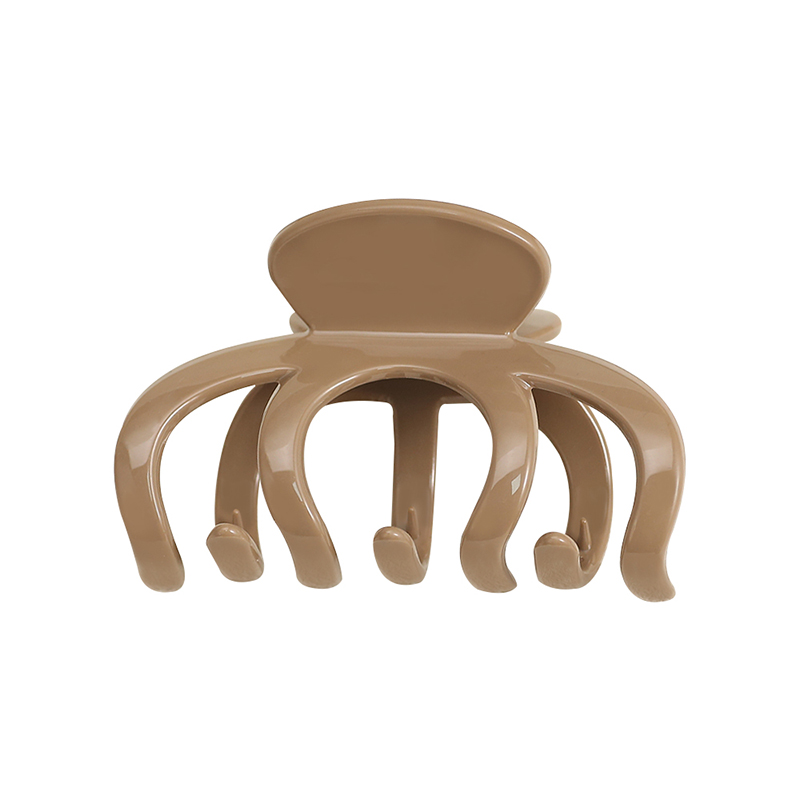
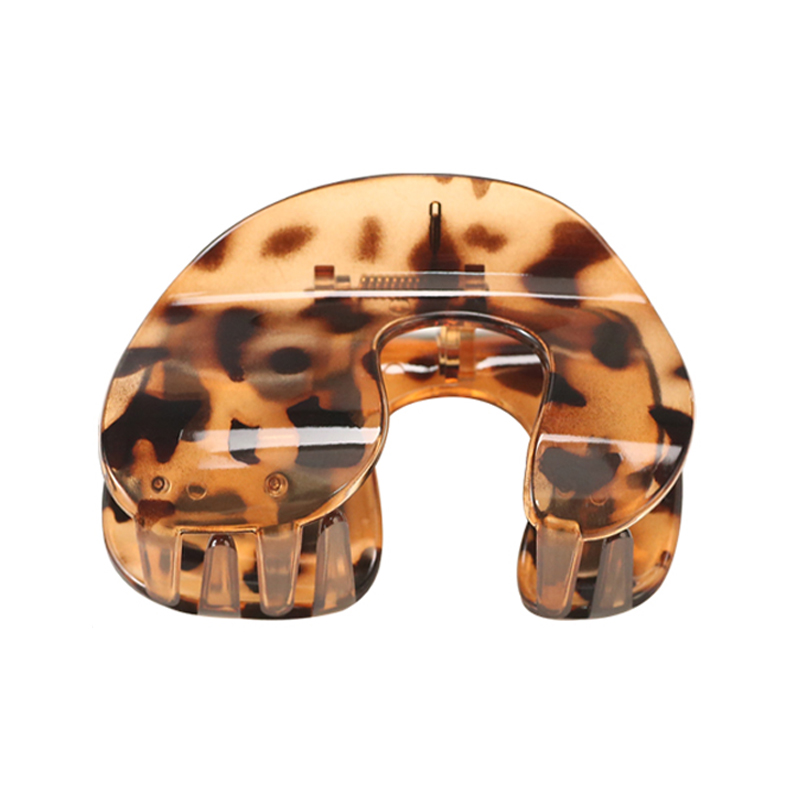
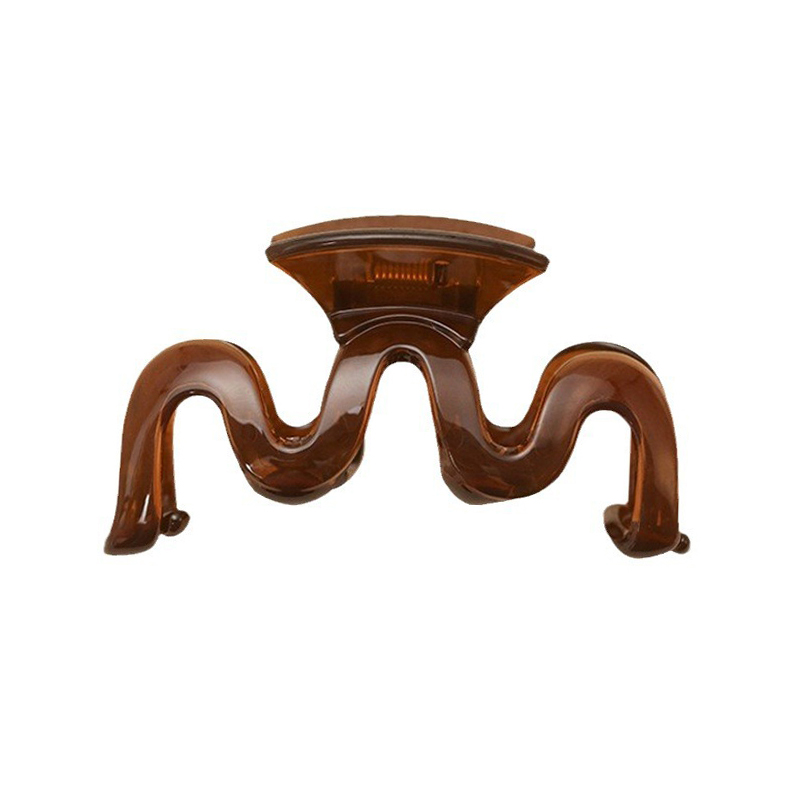
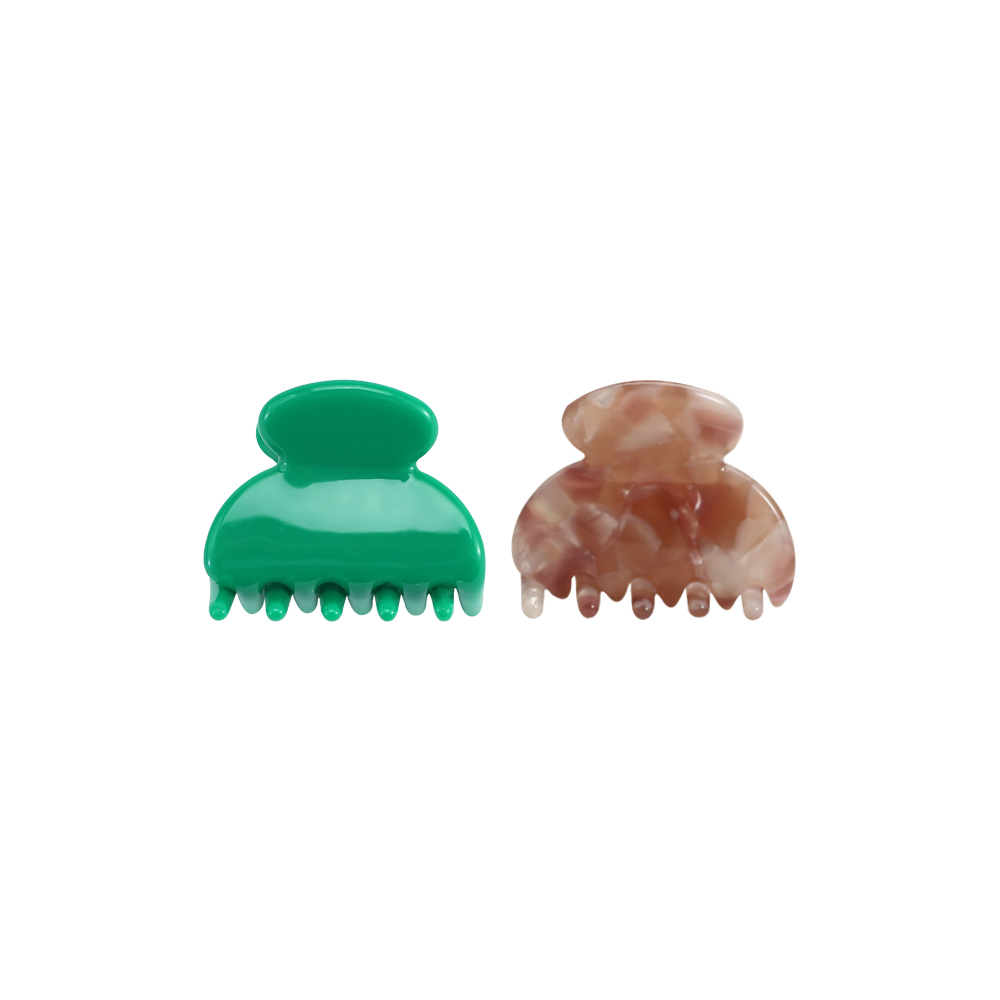
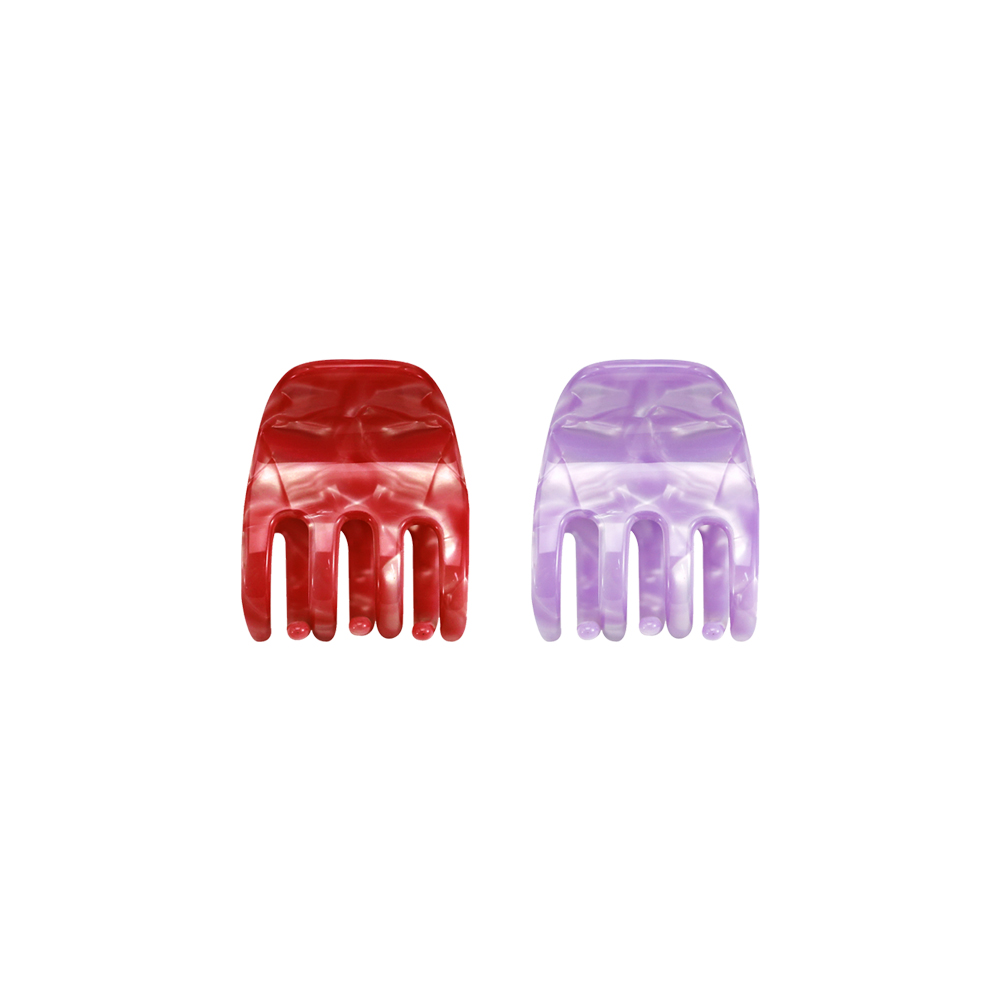
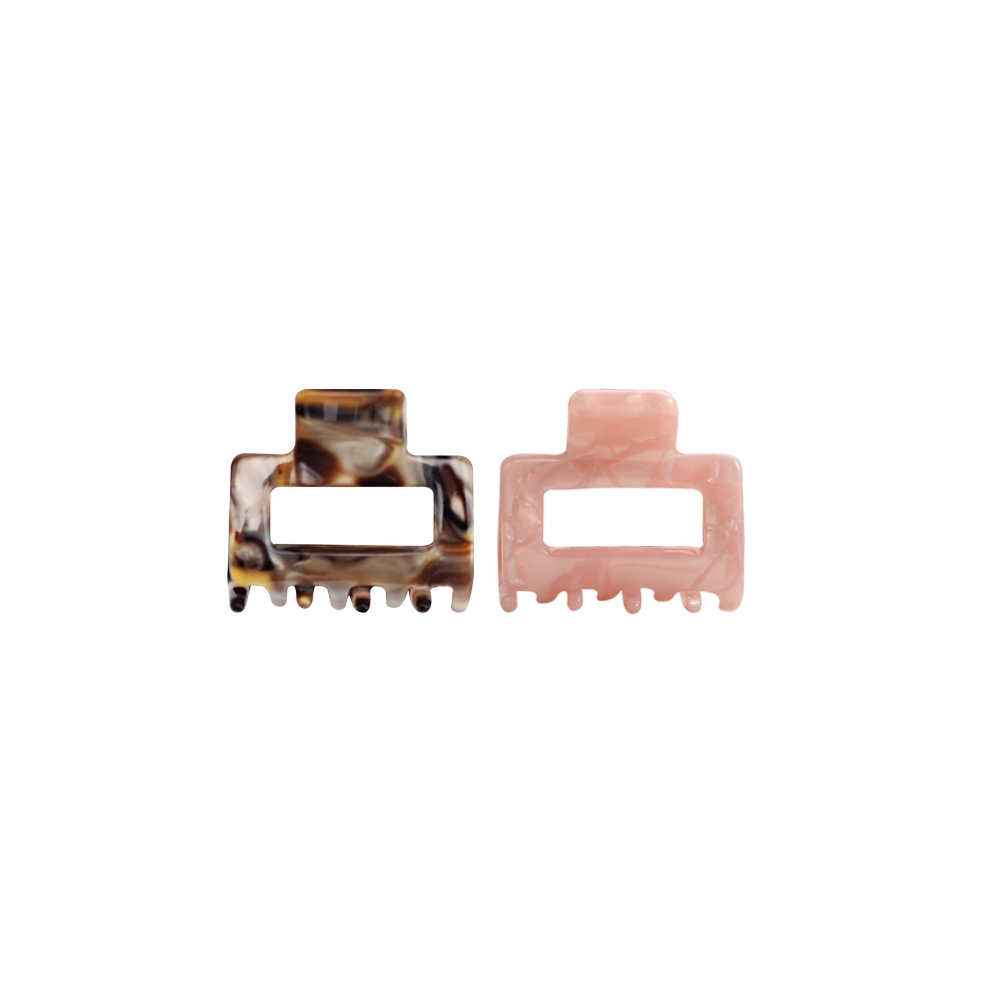
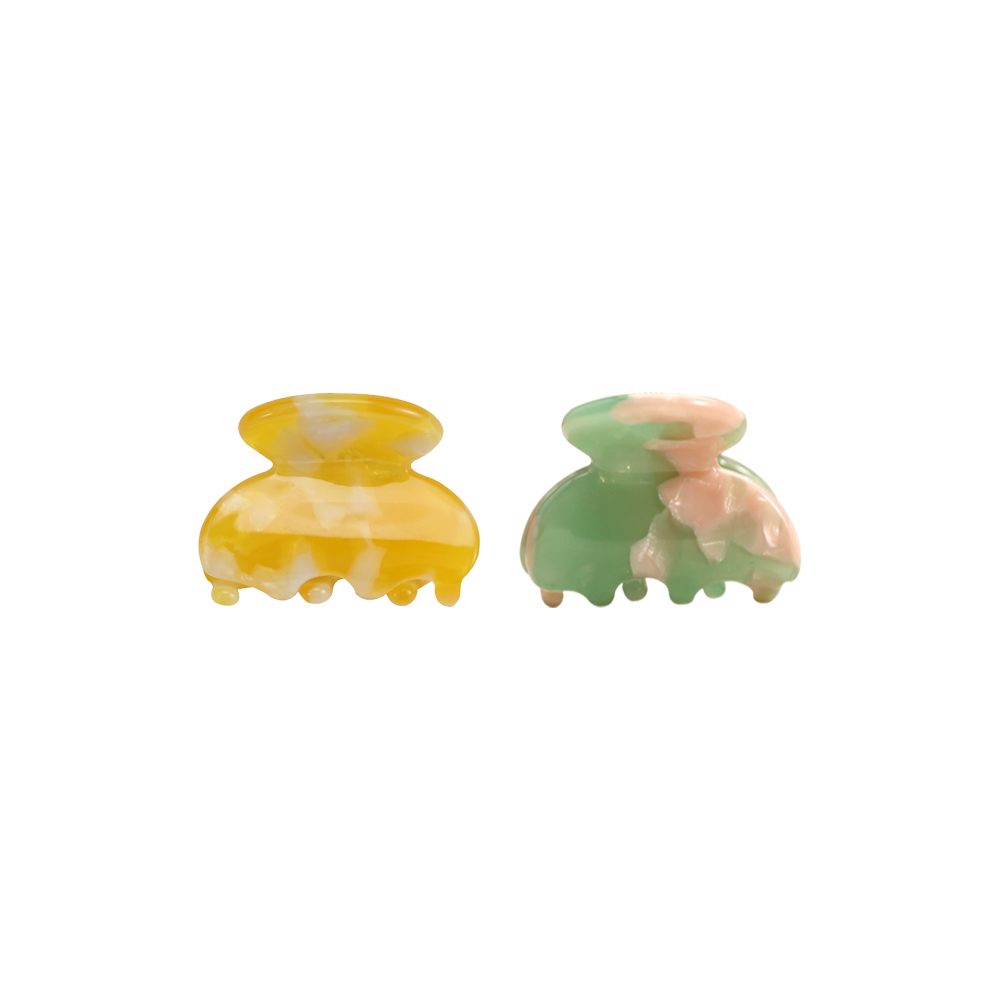
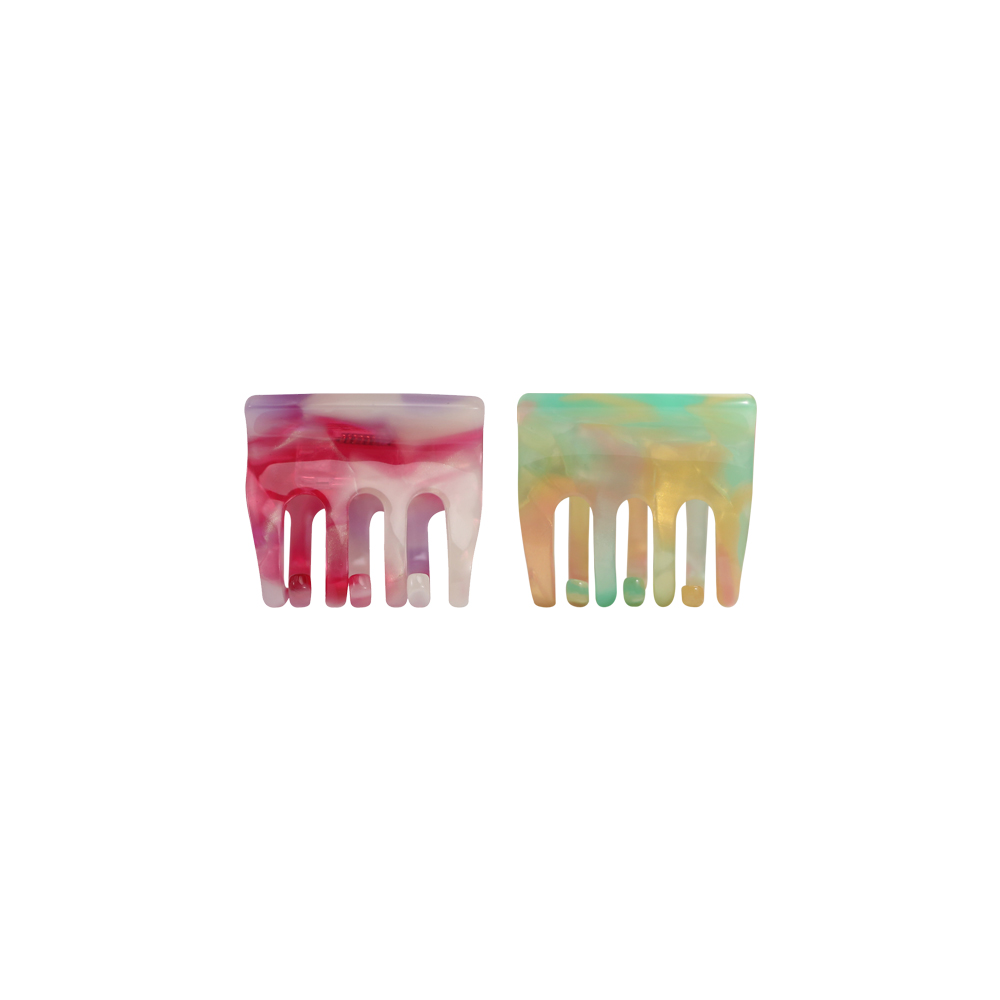
Behind every acrylic hair comb, every set of small plastic hair clips, and every collection of pretty hair claws, there is a precise process of mold design and production. High-precision mold processing ensures that these items are not just practical but also consistent in shape, smooth in finish, and comfortable for everyday use.
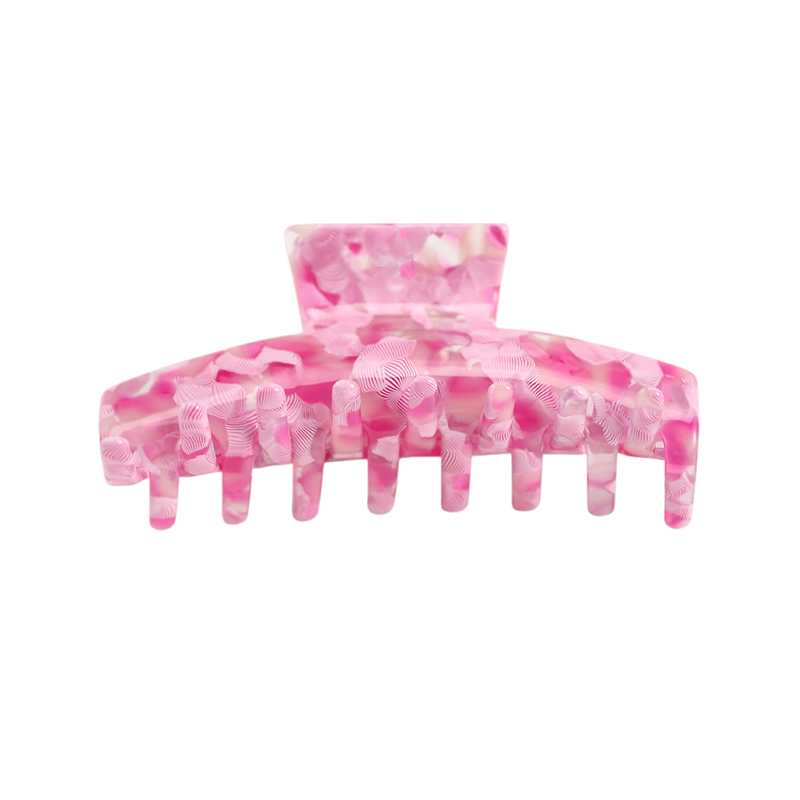
The foundation of quality hair accessories starts with mold creation. In modern manufacturing, high precision mold processing is essential because even the slightest imperfection in the mold can affect the finished product. For instance, when producing an acrylic hair comb, the teeth must be evenly spaced and ideally aligned to prevent hair from snagging. The same principle applies to small plastic hair clips, where the closing mechanism must fit securely, or to pretty hair claws, which depend on balanced pressure to hold hair in place without discomfort.
Acrylic as a material has gained popularity due to its clarity and resilience. When shaped into an acrylic hair comb, it offers a combination of strength and style. The comb’s durability comes from accurate mold dimensions that ensure each tooth is uniform and smooth to the touch. Precision also allows designers to experiment with patterns, colors, and layered effects, all without compromising the functionality of the accessory. Through refined mold processing, manufacturers can achieve clean edges and a polished surface, giving the finished comb a sophisticated look that users appreciate.
Similarly, small plastic hair clips rely on the accuracy of molds for their usability. A clip may look simple, but its effectiveness comes from ideally aligned parts. The spring mechanism, the curvature of the arms, and the thickness of the plastic are all determined by the precision of the mold. Without careful attention, a clip could lose its grip too quickly or feel uncomfortable in the hair. With advanced mold processing, these small plastic hair clips are produced with consistent quality, allowing them to function reliably whether used for casual styling, holding back loose strands, or securing sections during hair treatments.
Pretty hair claws present another example of how precision molds influence the end product. These accessories often feature interlocking teeth that must fit together seamlessly. The spacing, angle, and length of each tooth are carefully designed in the mold stage. A well-processed mold guarantees that the claw grips securely without pulling or breaking hair. The result is a balance of function and design: pretty hair claws that are not only decorative but also practical for daily wear. When molds are produced with exact specifications, the claws achieve smooth finishes and elegant shapes that stand out in the accessory market.
The role of surface finishing cannot be overlooked. High precision mold processing often goes hand in hand with coating or spraying techniques, such as using water-based paints or protective layers. These methods add durability and enhance the appearance of acrylic hair combs, small plastic hair clips, and pretty hair claws. A smooth coating reduces sharp edges, while eco-friendly finishes align with growing consumer awareness about sustainable production. Each stage, from mold cutting to surface treatment, contributes to a final product that is both functional and aesthetically pleasing.
In addition to product performance, efficiency in manufacturing is another advantage of precision mold processing. Once a mold is refined, it allows for repeated, consistent production of thousands of identical items. This consistency ensures that every acrylic hair comb has the same feel in the hand, every set of small plastic hair clips works with the same secure snap, and every line of pretty hair claws offers the same comfort and usability. Customers may not think about the details of production, but they benefit directly from the accuracy and reliability of the molds.
The artistry of hair accessories is inseparable from the technical discipline of mold processing. By combining design creativity with engineering accuracy, manufacturers can create pieces that bring both beauty and function to everyday life. The next time someone picks up an acrylic hair comb, fastens their hair with small plastic hair clips, or decorates their style with pretty hair claws, they are experiencing the result of countless hours of refinement in mold design and production. High precision mold processing is not just about shaping materials—it is about shaping the user’s daily experience with accessories that are simple, stylish, and reliable.

 +86-15988514911
 [email protected]
 3/F, Building 4, No.2289, Xuefeng West Road, Chengxi Industrial District, Yiwu 322000, Zhejiang Province, China.
Custom Stylish Hair Accessories


 English
 Español
 Deutsch